Booth Types / 10x10 Trade Show Booths: 100 Square Foot Rentals in Dallas

10x10 Trade Show Booths: 100 Square Foot Rentals in Dallas

A 10x10 trade show booth gives Dallas exhibitors a 100-square-foot linear space that ships light, sets up fast, and still commands its aisle when the backwall, header, and counter are planned around the room it lives in.

Footprint100 square feet, 10ft wide by 10ft deep, open to one aisle
StaffingComfortable for one to two reps plus a single counter
Local fitStandard inline grid at Kay Bailey Hutchison Convention Center Dallas
Inline Booth Displays for Dallas Events visual for Trade Show Display Rental of Dallas
Booth Type

What 100 Square Feet Actually Holds

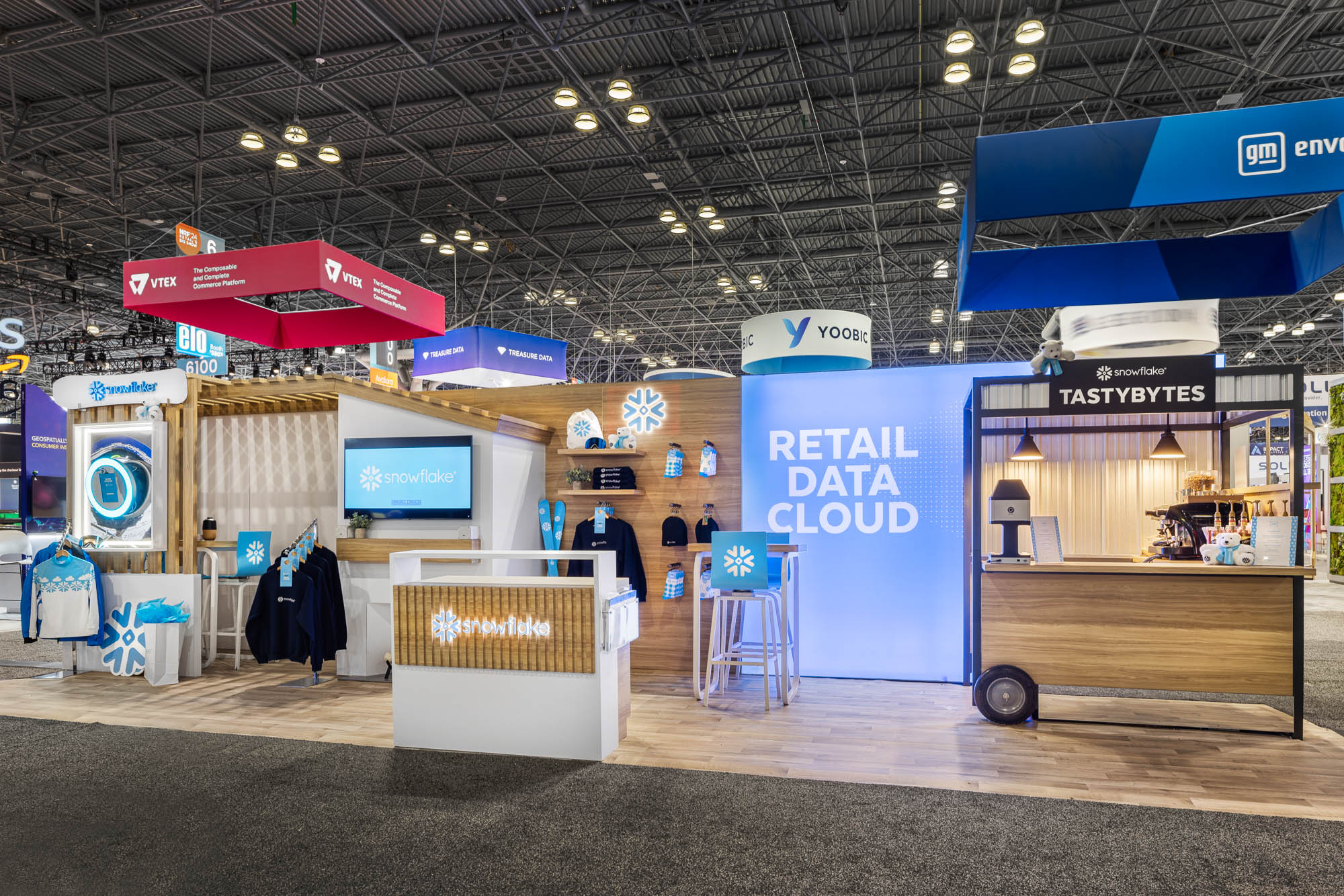
Ten by ten leaves a usable interior of roughly eight feet once a backwall frame and side returns are accounted for, so layout discipline matters more than in any larger size. A typical Dallas build places a full-height backwall graphic against the rear, a lit header above it, and a counter angled toward the aisle to pull foot traffic in. Storage hides inside the counter or a slim locking cabinet, because there is no back room to retreat to. The goal is one clear message readable from twenty feet out, not a wall of competing panels.

Staffing tracks the space: one or two representatives keep a 10x10 active without crowding the visitor zone. Exhibitors at the Fashion Industry Gallery, where boutique shows pack units into tight rows, often drop the counter to a podium to reclaim floor for product. The constant across every DFW room is sightline compliance. Side rails on an inline unit are capped so neighbors stay visible, and the backwall height is held to the venue's published limit for in-line spaces.

  • Usable interior: about 8ft of clear frontage after framing
  • Backwall: full-height graphic anchors the brand
  • Counter: angled toward the aisle, doubles as storage

Shipping and Setup Without a Forklift

The case for the 10x10 size is logistics. A complete unit packs into one or two roto-molded cases under the weight thresholds that let crews hand-truck them, which sidesteps the forklift and the longer drayage clock at the Kay Bailey Hutchison Convention Center Dallas, where the published loading dock sits at 837 S Lamar St with official hours of 4 a.m. To 8 p.m. Smaller freight also means a single ground-shipment lane rather than an LTL pallet, a meaningful cost difference for a regional exhibitor.

On site, a 100-square-foot fabric system assembles in under an hour: snap the aluminum frame, zip the printed skin over it, set the counter, and dress the header. That speed lets exhibitors install inside a standard move-in window without ordering supervised labor, though union and exclusive-provider rules still govern rigging and electrical at the larger downtown halls. Tear-down reverses just as fast, an advantage when Dallas Market Hall pushes everyone out the door after a consumer show.

Power, Lighting, and Lead Capture

A single 20-amp circuit ordered from the venue's approved utility list typically covers an LED-lit header, a couple of arm lights, and one monitor on a 100-square-foot stand. Loads climb only when a brand adds a large display or a charging bank, at which point a second circuit is cheaper than tripping a shared panel mid-show. At the convention center, utilities are ordered from an approved provider list, and Smart City Networks handles phone and wireless, so a hardwired data drop for a lead-capture tablet is worth pricing early.

Lighting earns its keep on a small booth. Edge-lit fabric backwalls and a bright header lift a 10x10 above the surrounding aisle clutter far more than extra graphics would. Keep the call-to-action low and legible, near eye level at the counter, where the conversation actually happens.

  • One 20-amp circuit covers lighting and a single monitor
  • Add a second circuit before risking a shared-panel trip
  • Hardwire a data drop for reliable lead-capture

Scaling Up From a 10x10

The 10x10 is designed to grow. The same fabric backwall and counter hardware extend into a 10x20 when a brand books a deeper space, so the first-year investment carries forward instead of getting scrapped. Exhibitors planning a multi-show Texas season often buy the 100-square-foot kit knowing it will anchor a larger island build at a flagship event like a downtown Dallas convention while serving solo at smaller regional stops in Plano or Frisco.

Buyer questions

10x10 Trade Show Booths: 100 Square Foot Rentals in Dallas

How big is a 10x10 trade show booth?

It is 100 square feet, ten feet wide by ten feet deep, and open to a single aisle. That is the standard single inline unit sold at venues like the Kay Bailey Hutchison Convention Center Dallas and Dallas Market Hall.

How many staff fit in a 10x10 booth in Dallas?

One to two representatives work comfortably alongside a single counter. Adding a third person crowds the visitor zone, so most Dallas exhibitors keep staffing light and let the backwall carry the message.

Do I need a forklift for a 10x10 booth?

Usually not. A fabric or modular 100-square-foot unit cases down for hand-truck delivery, which avoids forklift drayage and speeds move-in at Dallas Market Hall and similar halls.

How much power does a 10x10 booth need?

A single 20-amp circuit ordered from the venue's approved provider typically covers LED lighting and one monitor. Add a second circuit if you bring a large display or charging bank.

Can a 10x10 booth be expanded later?

Yes. The same backwall and counter hardware extend into a 10x20, so a 100-square-foot kit grows with your show schedule rather than being replaced.

Project intake

Trade Show Display Rental of Dallas

Dallas trade show display rental planning shaped around venue rules, freight timing, and brand discipline.

Start Planning