Locations / Grand Prairie, Texas: Strategic Exhibit Planning for the DFW Metroplex

Grand Prairie, Texas: Strategic Exhibit Planning for the DFW Metroplex

Positioned at the crossroads of the Dallas-Fort Worth region, Grand Prairie enables precise coordination of trade show exhibits, conference activations, and corporate displays across distinct venue clusters.

Planning focusCentral positioning between Dallas and mid-cities venue clusters
Local requirementLogistical alignment with documented dock and freight protocols
Execution detailDifferentiation of operational rules across Arlington, Irving, and Frisco
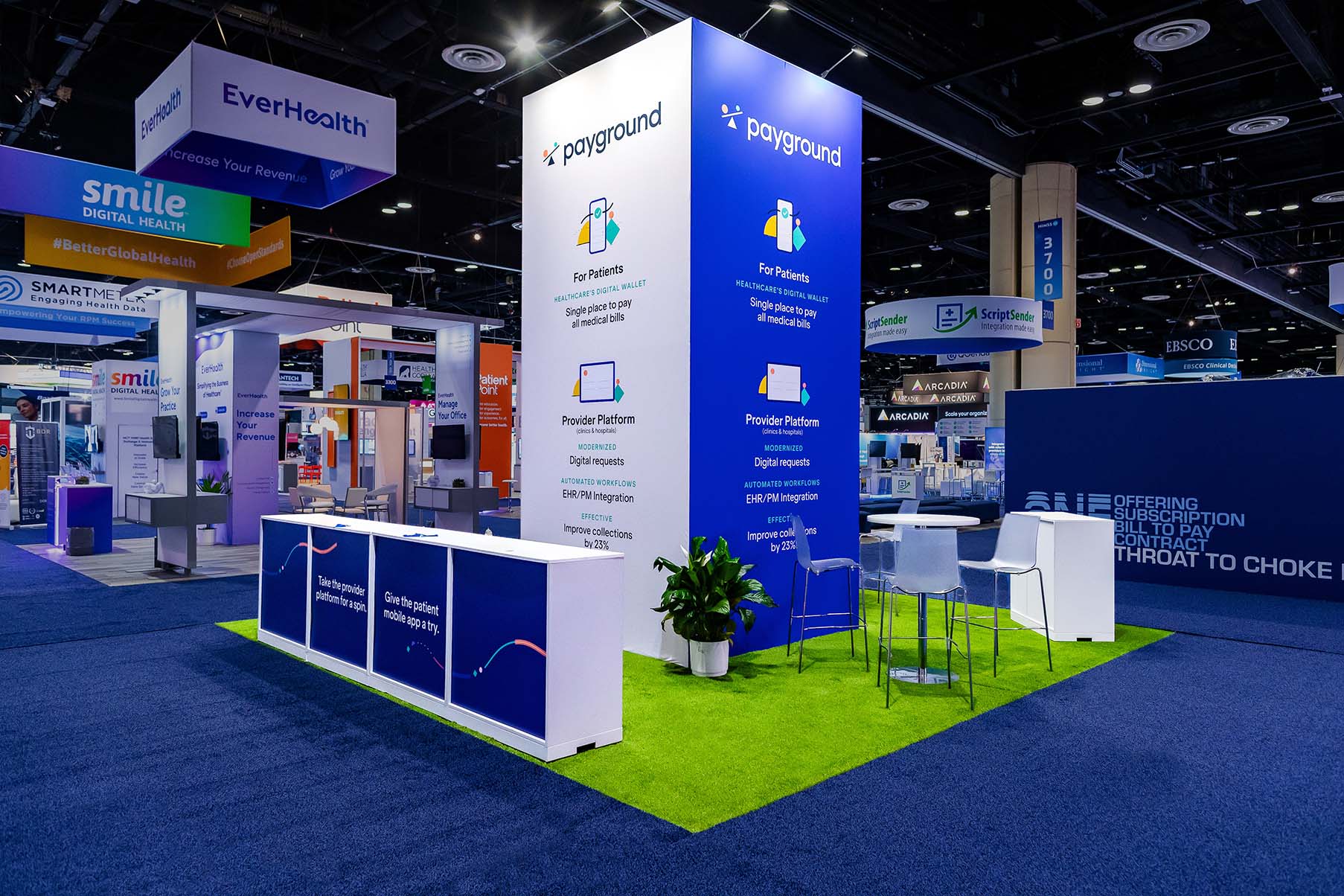
Grand Prairie Trade Show Display Rental visual for Trade Show Display Rental of Dallas
Location

Grand Prairie's Positioning Within DFW Venue Corridors

Grand Prairie occupies a strategic midpoint in the Dallas-Fort Worth metroplex, offering balanced connectivity to the primary convention corridors that drive regional demand for exhibits and activations. This placement supports planners in targeting events at facilities ranging from large-scale downtown centers to specialized suburban and entertainment-oriented locations without requiring assumptions about localized execution.

The surrounding municipalities each present differentiated contexts. Downtown Dallas emphasizes high-volume trade shows with structured move-in procedures, while nearby Arlington and Irving clusters often incorporate sports-adjacent hospitality and corporate meetings that call for more agile display solutions. Planners referencing Grand Prairie can map these variations during initial strategy sessions to ensure designs remain adaptable across multiple stops on a regional calendar.

Market resources covering Irving event planning and Arlington conventions underscore the value of early alignment with each cluster's infrastructure. This preparation helps avoid bottlenecks in material flow and supports more accurate forecasting of setup windows and attendee traffic patterns.

Logistics Coordination for DFW Airport Approaches and Major Venues

Logistics planning for exhibits accessible from Grand Prairie centers on established transportation routes that feed into DFW airport corridors and primary convention facilities. Advance review of venue-specific freight guidelines helps synchronize inbound and outbound shipments with show schedules, reducing variables that could impact program success.

Facilities such as the Kay Bailey Hutchison Convention Center publish detailed dock information that outlines designated loading areas, height restrictions, and scheduling requirements. Coordinators use these facts to sequence deliveries effectively, particularly when managing multiple exhibits across a compressed regional timeframe.

The broader DFW ecosystem includes hospitality nodes in Irving and Grapevine that often require smaller-scale material handling. Planning guidance drawn from Visit Dallas and related directories enable precise mapping of these differences, allowing for unified tracking systems that maintain visibility from initial order placement through final dismantle.

By treating logistics as a foundational element rather than an afterthought, exhibit programs achieve higher reliability across the varied scales of DFW events.

  • Reference published dock maps for each target facility
  • Align shipping timelines with individual venue deadlines
  • Account for peak-period congestion on shared regional arteries
  • Utilize venue-approved carriers for consistent handling

Operational Details at the Kay Bailey Hutchison Convention Center

The Kay Bailey Hutchison Convention Center serves as a cornerstone venue for many DFW exhibitors, with publicly available exhibitor resources that detail every phase from arrival to departure. These materials cover expected procedures during peak move-in, recommended pathways for material flow, and compliance standards that maintain safety and efficiency across large show floors.

Utility planning receives particular emphasis in the center's documentation. Electrical, data, and plumbing specifications are outlined with clear ordering windows, enabling accurate integration into booth designs well before fabrication begins. This foresight prevents on-floor adjustments that consume valuable setup time.

Service partners recognized by the convention center provide specialized support within defined parameters. Planners reference the directory to identify providers whose capabilities align with specific program needs, whether for graphics installation, AV integration, or supervised dismantle.

These documented processes allow coordination teams to build comprehensive timelines that respect both the center's operational calendar and the broader demands of a multi-venue DFW campaign.

Arlington and Irving Cluster Nuances for Exhibit Programs

Arlington's meetings and conventions infrastructure supports a distinct mix of corporate, association, and entertainment-driven events. The operational tempo here often aligns with adjacent sports and hospitality venues, requiring exhibits that can transition quickly between daytime sessions and evening activations.

Irving's event planning guidance highlights proximity to DFW airport and a concentration of hotel-based conference facilities. This cluster favors displays emphasizing portability and rapid reconfiguration, as many programs involve multiple room sets within the same property over consecutive days.

When coordinating programs that span these neighboring markets from a Grand Prairie vantage, planners benefit from comparative analysis of each cluster's guidelines. Differences in labor windows, preferred material types, and AV expectations become clear through review of official planning guides, supporting more tailored budgeting and design decisions.

This level of differentiation prevents the application of uniform tactics across heterogeneous DFW environments, resulting in higher relevance and impact at each stop.

  • Match display scale to Arlington entertainment-district pacing
  • Prioritize modular elements for Irving hotel ballroom flexibility
  • Incorporate venue-specific branding cues for each cluster
  • Schedule site surveys under published availability

Frisco, Plano, and Northern Suburban Venue Considerations

The northern DFW growth corridor led by Frisco features modern venues optimized for technology-forward conferences and corporate gatherings. Visit Frisco's venue listings emphasize flexible square footage, advanced connectivity, and integration with surrounding mixed-use developments.

Plano and adjacent markets present similar profiles but with subtle shifts in audience demographics and program duration. Exhibits destined for these areas perform best when designed around interactive elements that leverage high-speed data services commonly available in these facilities.

Coordination from Grand Prairie involves mapping transit windows between southern and northern clusters to maintain efficiency across a single campaign. Published venue specifications help calibrate these movements, ensuring that freight routing and staff briefing materials reflect actual travel realities.

Attention to these northern nuances allows planning teams to capitalize on the region's expanding calendar of innovation-focused events while maintaining operational continuity with downtown and mid-cities commitments.

Service Partner Ecosystems and Utility Best Practices

DFW venues maintain curated directories of service partners to ensure consistency with facility standards. These lists, available through convention center venue guidance and planning guides, cover general contractors, specialized installers, and technology providers whose workflows align with operating requirements.

Utility coordination begins with precise specification review. The Kay Bailey Hutchison Convention Center, for example, details ordering procedures for power, internet, and compressed air, complete with lead times that must be factored into project calendars. Similar documentation exists across other major facilities, though exact provisions vary by location.

Effective planning integrates these requirements during the concept phase rather than as a post-design consideration. This sequence allows exhibit fabricators to incorporate connection points that match venue infrastructure, reducing field modifications and associated costs.

Regular cross-referencing against the latest published partner lists and utility grids keeps programs current with evolving facility capabilities throughout the DFW region.

  • Cross-check service partners against current venue directories
  • Map utility orders to show-specific move-in calendars
  • Establish escalation paths with selected providers
  • Document all approvals for compliance verification

Comprehensive Scheduling and Budgeting Across DFW Clusters

The DFW event calendar features overlapping peaks across its various clusters, requiring careful sequencing for exhibits that travel between Dallas, Arlington, Irving, and Frisco within short windows. Published convention center calendars and municipal planning guides supply the foundational data for building realistic timelines.

Budgeting must reflect the distinct cost structures of each venue type. Downtown convention centers often carry higher utility and material handling fees, while suburban hospitality venues may emphasize AV and staffing components. Aggregating these variables early produces more accurate forecasts and prevents mid-campaign adjustments.

Planners referencing Grand Prairie as a coordination hub can maintain centralized documentation that tracks deadlines, fees, and deliverables across multiple municipalities. This single-record approach supports consistent reporting to stakeholders and simplifies post-event reconciliation.

Long-term success in the DFW market stems from treating each cluster as an independent ecosystem while preserving overarching program coherence.

Buyer questions

Grand Prairie, Texas: Strategic Exhibit Planning for the DFW Metroplex

Why consider Grand Prairie when planning DFW trade show participation?

Its central location within the metroplex supports efficient scheduling and logistics alignment across distinct venue clusters including downtown Dallas, Arlington entertainment districts, and northern suburban markets such as Frisco.

What resources should be reviewed for the Kay Bailey Hutchison Convention Center?

Exhibitors should consult the center's venue rules for utilities, docks, service partners, and move-in procedures to ensure full compliance with published operational standards.

How do operational requirements differ between DFW venue clusters?

Downtown convention centers emphasize structured freight handling and large-scale utilities while Arlington and Irving clusters often require agile setups suited to hospitality and entertainment pacing. Frisco venues prioritize technology integration.

When should service partners be selected for a multi-venue DFW program?

Selection should occur after reviewing each venue's current directory and aligning capabilities with specific show requirements, ideally during the initial planning phase to secure preferred availability.

What role do utility specifications play in DFW exhibit design?

Designs must incorporate connection points that match documented venue provisions for power, data, and other services, preventing last-minute modifications and supporting accurate budgeting.

How can planners maintain consistency across multiple DFW municipalities?

Centralized documentation of deadlines, specifications, and budgets drawn from each venue's published resources allows for unified oversight while respecting cluster-specific operational contexts.

Project intake

Trade Show Display Rental of Dallas

Dallas trade show display rental planning shaped around venue rules, freight timing, and brand discipline.

Start Planning