
What is the loading dock address and operating hours at Kay Bailey Hutchison Convention Center Dallas?
The published loading dock entrance is located at 837 S Lamar St. Official dock hours are 4 a.m. To 8 p.m.
Venues / Kay Bailey Hutchison Convention Center Dallas
Practical coordination guidance for utilities, technology, AV, rigging, food service, and dock operations at one of downtown Dallas's primary convention facilities.
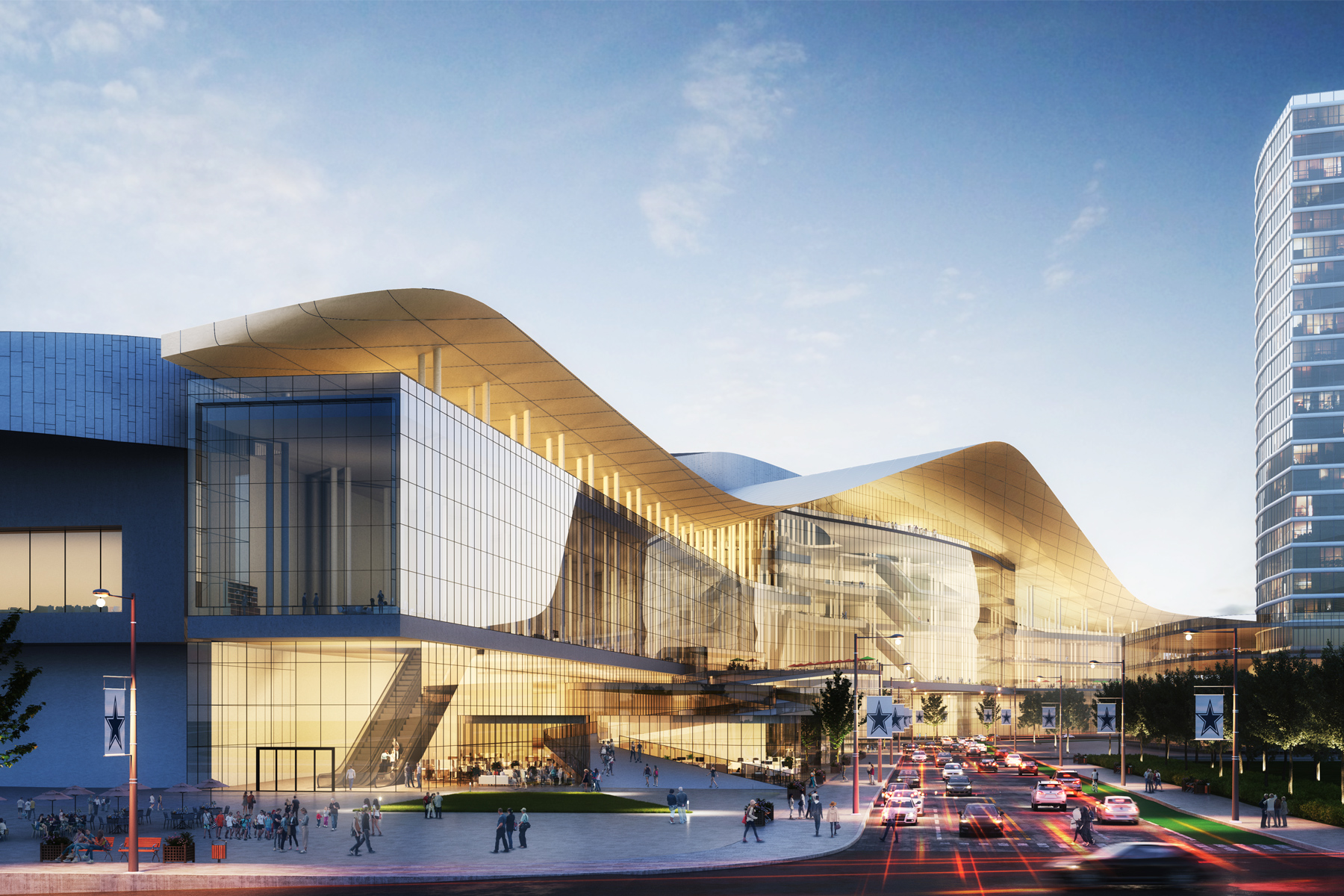
Successful events at the Kay Bailey Hutchison Convention Center Dallas begin with systematic review of the venue's exhibitor areas. These resources detail the mandatory pathways for utility acquisition, technology integration, and service partner engagement. Planners who map these requirements against their exhibit specifications create schedules that anticipate each approval step and delivery window, resulting in fewer disruptions during setup and operation.
The convention center's position within the Dallas venues group distinguishes it through its scale and its emphasis on centralized partner management. Rather than navigating independent vendor networks, teams work within the established ecosystem of approved providers. This reduces fragmentation and supports more predictable budgeting around the specific partners named in the venue rules.
Coordination extends beyond initial ordering to encompass ongoing alignment during the event. Understanding how utility orders connect with dock schedules and how technology requests interface with rigging plans allows for integrated timelines. The result is a cohesive operational plan that respects the published parameters while accommodating the unique demands of each exhibition.
Early incorporation of these venue-specific elements also facilitates clearer communication with all stakeholders. When every team member operates from the same set of official facts regarding provider responsibilities and access points, decision-making accelerates and accountability remains high throughout the project.
The convention center maintains a dedicated utilities area that directs exhibitors to order services exclusively through an approved list of providers. This structure ensures standardized installation practices for electrical, plumbing, and other infrastructure needs. Planning teams must identify the current approved providers early so that specifications, lead times, and pricing can be accurately reflected in project estimates.
Because utilities form the backbone of every exhibit, misalignment with the approved channel can create cascading delays. The published process encourages advance ordering to allow sufficient time for site surveys, permitting, and physical installation. Coordination resources therefore stress the value of integrating utility timelines with the broader event critical path.
Attention to these protocols also supports safety and compliance objectives set by the venue. Approved providers operate under established guidelines that match the convention center's infrastructure, reducing the likelihood of technical conflicts or code violations. This measured approach to utility planning contributes to smoother overall event delivery.
Exhibit managers often maintain a checklist that tracks each utility category against the approved list, noting confirmation dates and expected activation times. Such documentation proves useful when coordinating with multiple internal departments and external stakeholders who require visibility into the setup sequence.
Smart City Networks appears in the venue's service partner documentation as the listed provider for telecommunications, phone lines, and wireless services. This designation streamlines the acquisition of reliable connectivity that modern exhibits demand. Planning begins by determining bandwidth requirements and device counts so that orders placed with Smart City Networks match the exhibit's technical profile.
Wireless coverage and dedicated lines must be coordinated in parallel with other infrastructure elements such as electrical utilities and AV placements. The partner’s role in supporting both voice and data services makes it a central point of contact during the planning phase. Timely submission of technology orders helps secure optimal placement and configuration before the floor fills.
Exhibitors benefit from treating connectivity planning as an integrated component rather than an afterthought. When show management, exhibit designers, and technology providers operate with the same Smart City Networks specifications, the resulting network performs more consistently across the entire event duration.
Post-order confirmation from Smart City Networks should be shared with the broader coordination team so that testing windows and troubleshooting resources can be scheduled. This level of transparency keeps the entire build and operation aligned with venue expectations.
Freeman Audio Visual holds designation as the preferred in-house audiovisual partner and the exclusive provider of rigging services at the dallas. This dual role simplifies procurement for presentation equipment, lighting, and structural suspension while ensuring all overhead work meets venue standards. Early engagement with Freeman allows planners to secure necessary equipment and certified labor within the framework.
Rigging plans must be submitted under the published process so that engineering reviews and approvals occur on schedule. The exclusive status means alternative rigging vendors cannot be substituted, making accurate upfront specifications essential. Coordination teams therefore allocate sufficient time in the project calendar for drawing submissions, revisions, and final sign-off.
Audiovisual elements often intersect with technology orders from Smart City Networks and utility provisions. When these three streams are planned in unison, power drops, data lines, and mounting points align without conflict. The resulting installations support clearer sightlines, reliable performance, and safer overhead configurations.
Documentation of all Freeman approvals should remain accessible throughout the event. This practice supports rapid response if adjustments become necessary and provides a clear record for post-event review and future planning at the same venue.
Sodexo Live maintains exclusive rights for food and beverage service throughout the dallas. This designation covers concessions, catering, and hospitality functions, requiring all related planning to flow through their official channels. Early menu development and service level agreements help align attendee expectations with the venue’s operational capabilities.
Coordination with Sodexo Live extends beyond simple ordering to include scheduling of setup, replenishment, and breakdown activities. These timelines must integrate with dock availability and overall floor traffic patterns. When catering logistics are mapped against the 4 a.m. To 8 p.m. Dock hours, deliveries and waste removal occur without interfering with exhibit installation.
Planners also consider how food service locations interact with exhibit zones and circulation paths. Strategic placement discussions with the exclusive partner can improve attendee flow while maintaining necessary separation from high-traffic utility and AV areas. The result is a more cohesive environment that supports both business and hospitality objectives.
Final confirmation of all Sodexo Live arrangements should be incorporated into the master event timeline so that staffing, equipment delivery, and cleanup windows remain visible to every functional team.
the loading dock entrance at 837 S Lamar Street serves as the primary point for all freight movement at the dallas. Published hours of 4 a.m. To 8 p.m. Define the window during which trucks may arrive, unload, and depart. Planning teams incorporate these constraints into carrier instructions and internal schedules to prevent off-hour arrivals that could result in storage or rescheduling fees.
Dock coordination requires sequencing of multiple shipments so that exhibit components, AV equipment, technology gear, and catering supplies do not compete for the same access points. Detailed load lists and appointment systems help maintain orderly flow. When advance appointments are secured within the allowed hours, crews can work efficiently without unnecessary downtime.
The dock address also influences transportation routing through downtown Dallas. Planners factor in local traffic patterns and peak delivery times when issuing carrier guidelines. This geographic awareness, combined with the venue’s published hours, supports more accurate arrival windows and reduces the risk of congestion at the dock itself.
Post-event move-out follows the same procedural framework. Timely removal of all materials within the 8 p.m. Cutoff helps ensure the facility returns to its baseline condition on schedule. Comprehensive documentation of all dock transactions provides an audit trail that supports accurate invoicing and future planning.
The various service partners at the dallas operate under distinct but interrelated protocols. Creating a master timeline that reflects utility ordering deadlines, Smart City Networks installation windows, Freeman rigging reviews, Sodexo Live setup periods, and dock appointments produces a single shared project record for the entire project. This integrated view helps identify potential conflicts weeks before they materialize on site.
Regular checkpoint reviews against the published exhibitor resources keep the plan current. As show management updates or venue policies evolve, adjustments can be made without derailing the critical path. The convention center’s emphasis on advance planning rewards those who maintain disciplined documentation and proactive communication with each named partner.
Cross-functional alignment meetings that include representatives from every service stream further strengthen execution. When utility technicians, AV crews, technology installers, and catering staff understand how their activities intersect, collaboration improves and rework decreases. The downtown Dallas location adds another variable that benefits from this level of visibility.
Post-event debriefs that capture lessons around partner performance and timeline accuracy become valuable institutional knowledge. Over multiple events at the same venue, these insights compound, allowing progressively more efficient use of the resources and procedures.
Buyer questions
The published loading dock entrance is located at 837 S Lamar St. Official dock hours are 4 a.m. To 8 p.m.
Smart City Networks is the listed technology services partner and provides phone and wireless ordering support.
Freeman Audio Visual is listed as the preferred in-house AV partner and exclusive rigging partner.
Sodexo Live is listed as the exclusive food and beverage partner.
Utilities are ordered from an approved list of providers as detailed in the venue's dedicated exhibitor utilities area.
The venue publishes dedicated exhibitor areas covering utilities, docks, and service partners on its official venue guidance.
Related topics
Venue
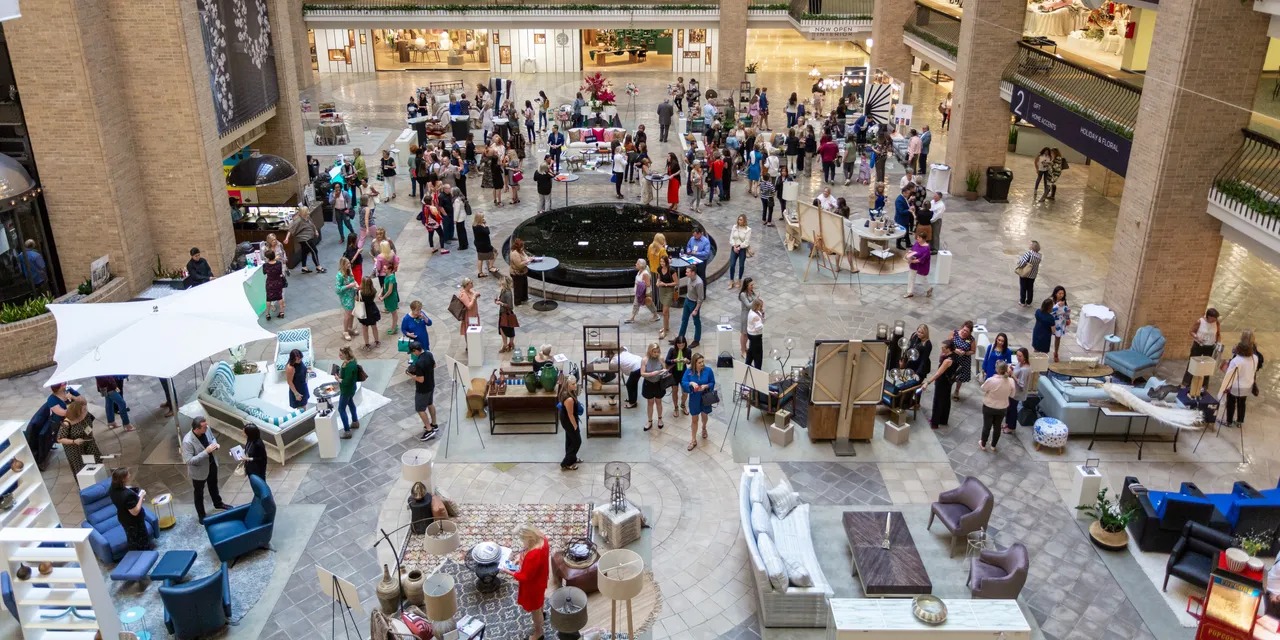
Leverage the expansive scale and versatile layout of the world's largest privately owned exhibition hall for consumer expos, public shows, and adaptable event configurations in Dallas.
View details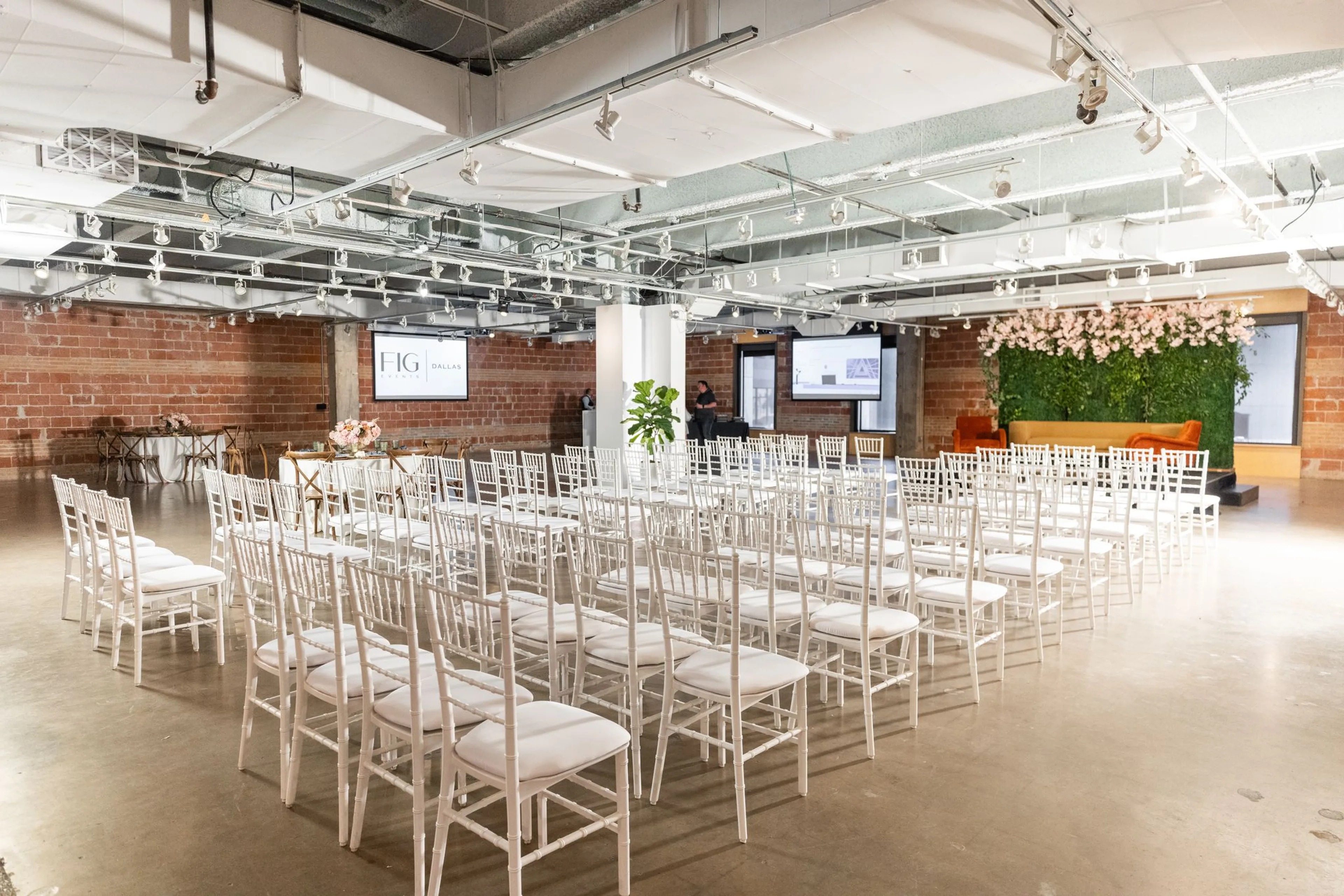
Venue
Fashion Industry Gallery in downtown Dallas presents a sophisticated 25,000 Square Foot sleek contemporary loft within a mid-century modern building on Ross Avenue, serving as a strategic choice for targeted fashion events, product launches, and showroom activations.
View details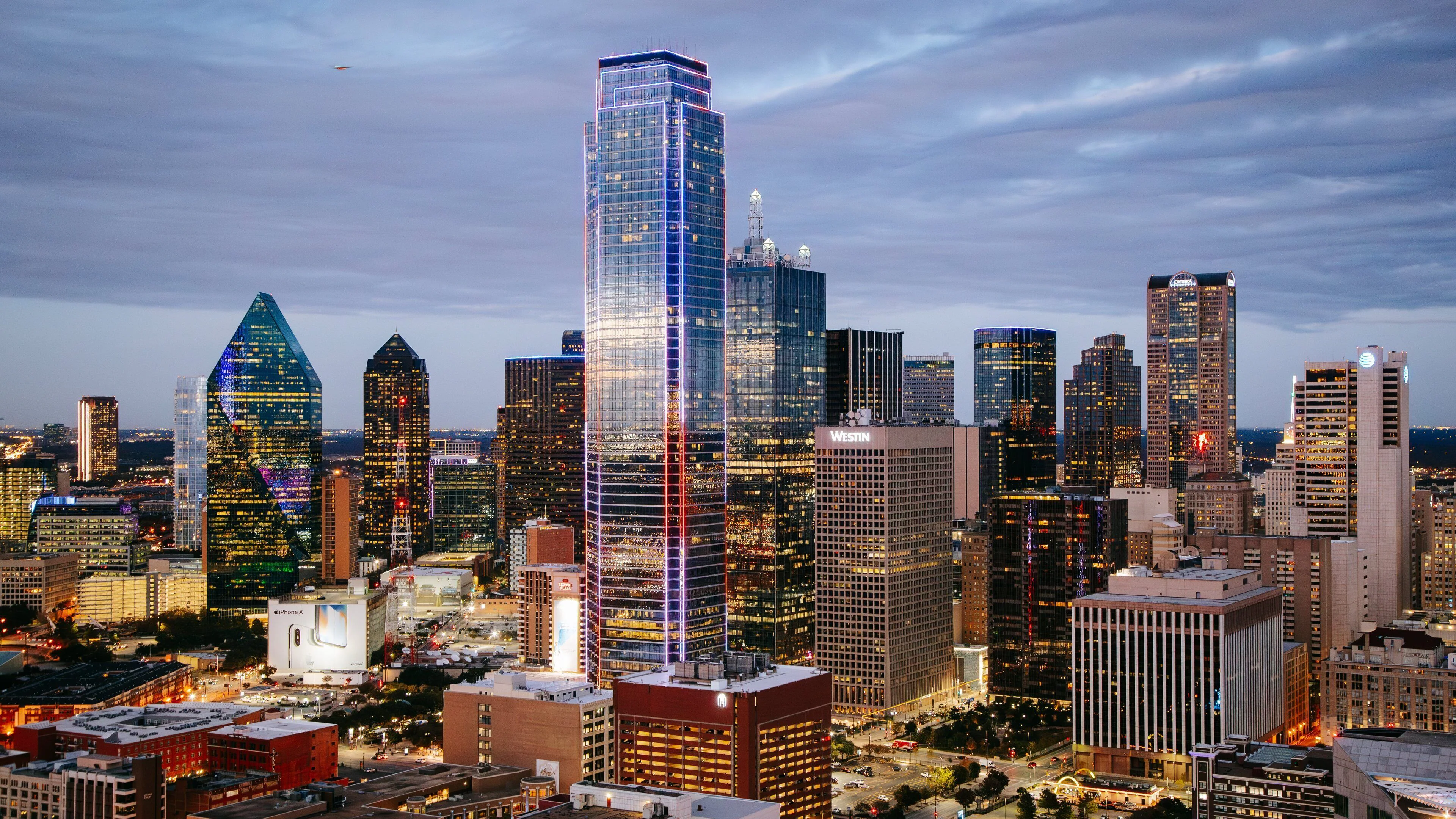
Location
Practical coordination guidance for display rentals aligned with the distinct operational requirements of Dallas convention, market, and hospitality venues.
View details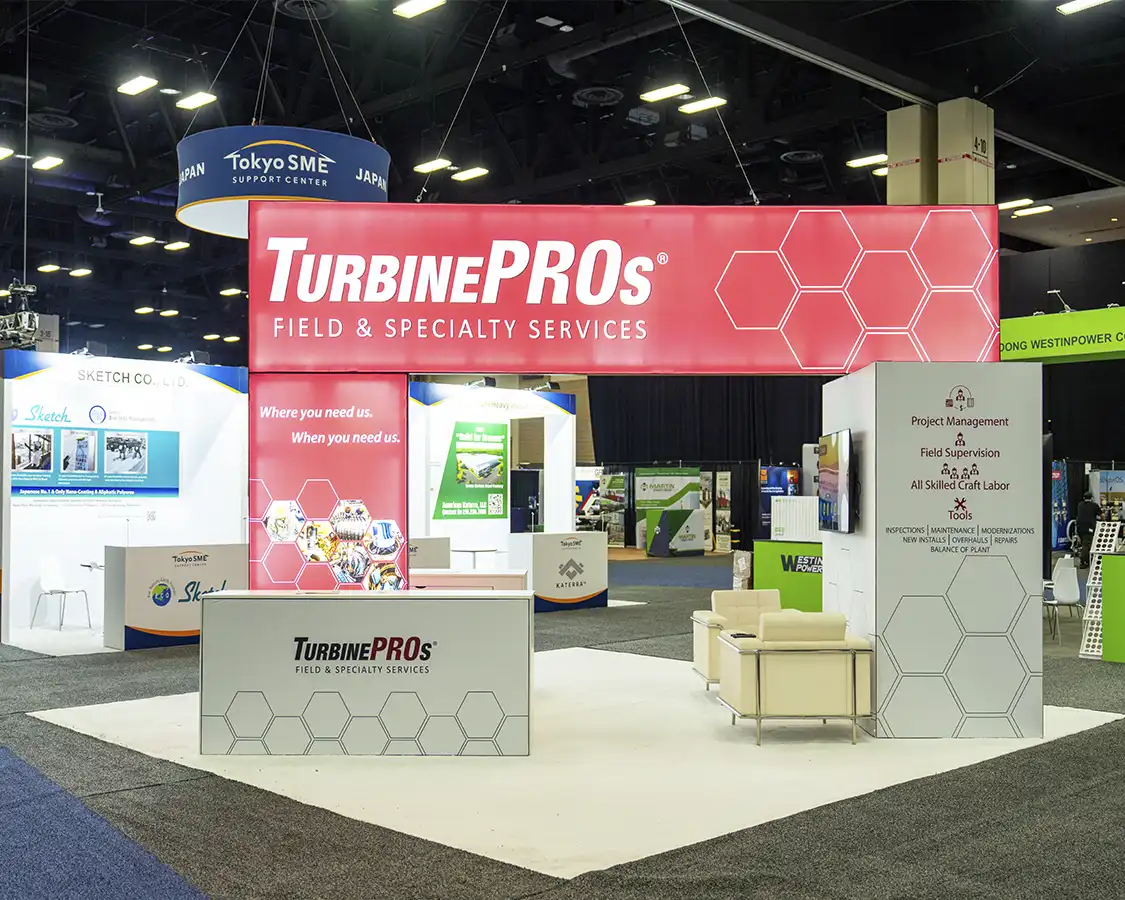
Service
Coordinating exhibit installation and dismantle demands precise alignment with Dallas venue operations, from dock access at the Kay Bailey Hutchison Convention Center Dallas to utility setups in hotels like the Omni Dallas, ensuring smooth setup and teardown for high-stakes events.
View detailsContact
Send the event date, venue, display size, and service priorities so labor, freight, venue approvals, and show-site supervision can be framed around the actual rental-display path.
View detailsProject intake
Dallas trade show display rental planning shaped around venue rules, freight timing, and brand discipline.