Services / Exhibit Installation and Dismantle Coordination for Dallas Trade Shows

Exhibit Installation and Dismantle Coordination for Dallas Trade Shows

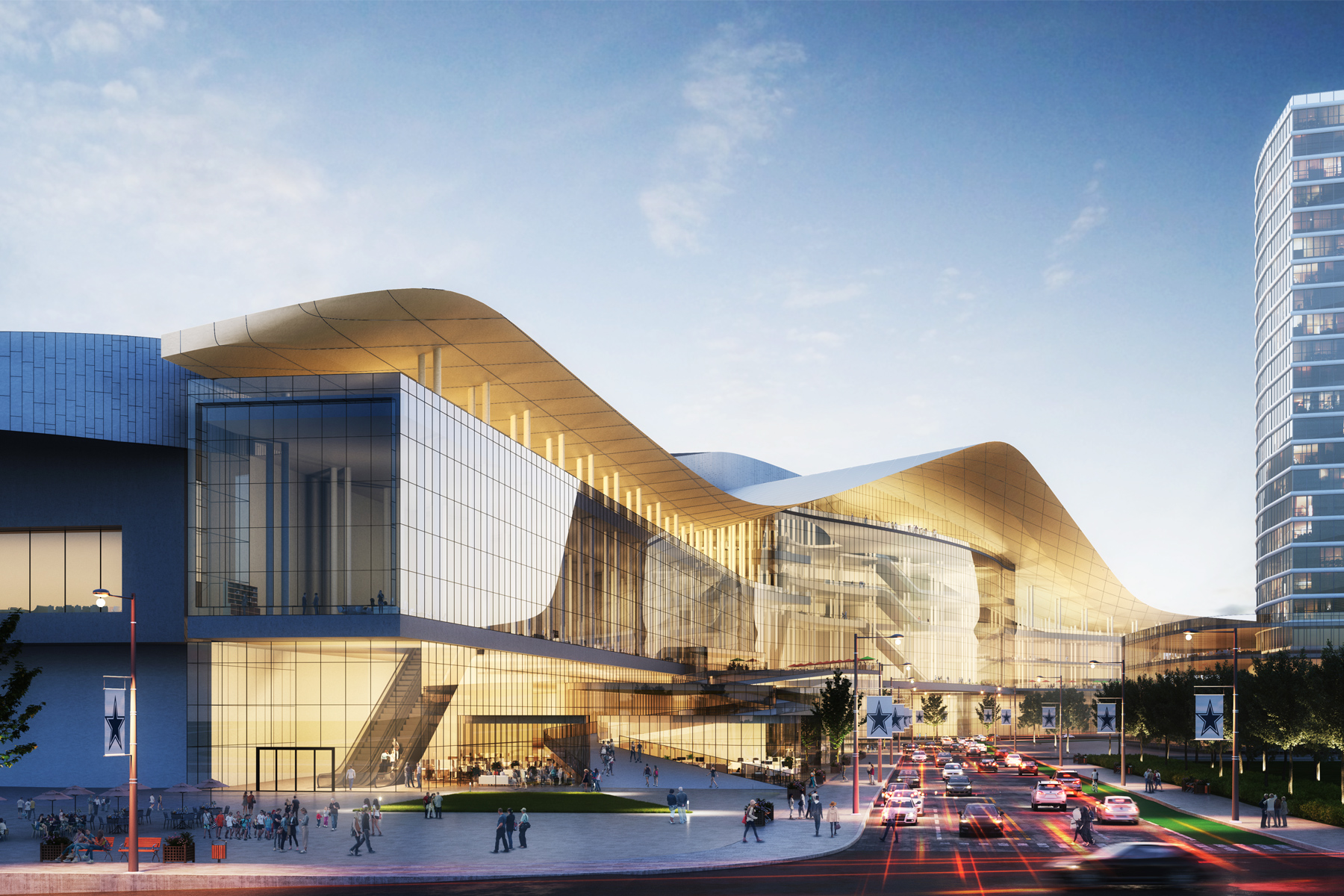
Coordinating exhibit installation and dismantle demands precise alignment with Dallas venue operations, from dock access at the Kay Bailey Hutchison Convention Center Dallas to utility setups in hotels like the Omni Dallas, ensuring smooth setup and teardown for high-stakes events.

Planning focusAligning with venue dock reservations and move-in schedules
Local requirementCoordinating utility orders for power, data, and lighting integration
Execution detailManaging modular exhibit assembly sequences for efficiency
Turnkey Trade Show Services in Dallas, TX visual for Trade Show Display Rental of Dallas
Service

Pre-Installation Logistics and Venue Alignment

Before any equipment arrives at Dallas venues, thorough pre-installation logistics set the foundation for smooth execution, particularly at high-volume sites like the Kay Bailey Hutchison Convention Center Dallas, where exhibitors must submit detailed move-in plans via the facility's online portals. This involves mapping out shipment manifests against dock availability, as the center's dedicated exhibitor docks operate on fixed schedules that prioritize larger general service contractors before independent setups, requiring teams to forecast exact arrival times and vehicle types to avoid queuing penalties or rerouting. Coordination extends to confirming floor plans with booth dimensions, ensuring that crated elements fit through service doors and elevators without custom modifications that could delay progress.

Once logistics confirmations are in place, attention shifts to material pre-staging, where components are organized for Just in Time unloading—a practice especially vital for multi-day events at Dallas Market Hall, where space constraints demand minimal on-floor storage. Planners review venue-specific rules, such as those for the convention center's docks, which outline maximum vehicle dwell times and pallet limits, to optimize the handoff from carriers to installation crews. This phase also includes cross-checking service partner directories to identify approved handlers for any oversize loads, preventing last-minute halts that cascade into show-day issues.

On-Site Installation Execution at Key Dallas Venues

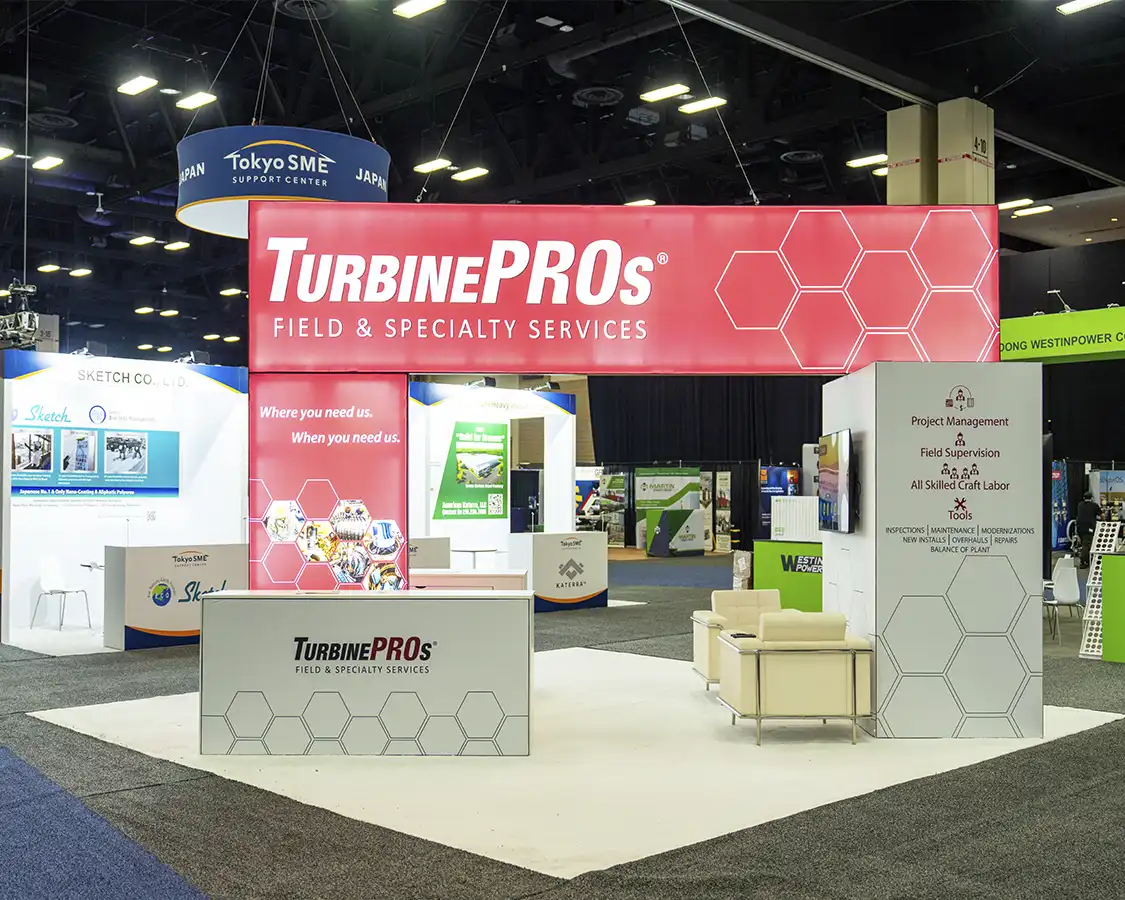
Installation commences immediately upon dock clearance, with teams at the Kay Bailey Hutchison Convention Center Dallas navigating expansive loading areas designed for simultaneous exhibitor access, where procedures dictate sequential unloading to manage traffic flow from multiple bays. Crews then transport elements via flatbeds or forklifts through service corridors to booth spaces, adhering to weight restrictions and path clearances published in the facility's exhibitor guidelines, which help prevent bottlenecks during peak move-in periods common to major Dallas expos. Assembly follows a layered approach, starting with base structures secured to the floor before erecting tension fabrics, graphics, and interactive modules, all calibrated to venue lighting conditions for optimal visibility.

Utility integration marks a pivotal installation milestone, as Dallas venues like the Omni Dallas Hotel require pre-ordered connections through centralized providers listed in service partner rosters. At the convention center, exhibitors coordinate power drops, Ethernet lines, and compressed air via advance utility orders, ensuring installers wire elements without interrupting adjacent booths or exceeding amperage caps that could trigger shutdowns. For hotels such as Hyatt Regency Dallas, this involves adapting to ballroom power panels and AV tie-ins, where precise measurements during setup confirm compatibility before final anchoring, minimizing rework under time pressure.

Safety protocols dominate every lift and alignment, with overhead rigging at venues like Fashion Industry Gallery demanding spotters and harnesses compliant with general exhibition standards, while floor-level work incorporates padding for high-traffic edges. Progress checkpoints allow supervisors to verify structural integrity mid-process, adjusting for any venue anomalies like uneven slabs or HVAC obstructions that occasionally surface in older halls like Dallas Market Hall.

  • Prioritize base frame stability before vertical elements
  • Test all utilities incrementally to avoid overloads
  • Document each step for service partner audits

Dismantle Strategies for Efficient Move-Out

Dismantle operations at Dallas trade show venues reverse installation with heightened urgency, as post-show windows at the Kay Bailey Hutchison Convention Center Dallas enforce strict cut-off times to prepare for turnover, compelling teams to deconstruct in reverse order—starting with peripherals like monitors and lighting before collapsing frameworks. This sequence preserves component longevity, with padding reapplied immediately to exposed surfaces during breakdown, and all fasteners cataloged to match original manifests for accurate repacking. Venue dock protocols mirror move-in, requiring sorted outbound loads to streamline carrier pickups and avoid overtime fees that accrue rapidly in shared facilities.

Waste management integrates into dismantle flows, where venues like Dallas Market Hall specify segregated disposal for cardboard, foam, and metals, coordinated through service partners to comply with local regulations without slowing teardown. Teams systematically disconnect utilities, capping lines and taping panels to signal completion, while scanning for overlooked items under booth carpets or behind backwalls—a common oversight in rushed exits from convention hotels like Omni Dallas. Final floor sweeps and damage reports submitted to facility reps finalize the phase, protecting future access privileges.

For extended events spanning multiple halls, dismantle planning anticipates phased move-outs, aligning with venue calendars at sites like Fashion Industry Gallery, where smaller footprints allow quicker clearances but demand precision to avoid impacting neighboring activations.

Utility and Power Management in I&D Phases

Utilities form the backbone of exhibit functionality, and their handling during installation and dismantle at Dallas venues requires meticulous planning, as seen in the Kay Bailey Hutchison Convention Center Dallas's dedicated exhibitor utility-ordering process, which details order forms for multi-circuit power, fiber optics, and rigging points. Installers route cables along designated paths to prevent trip hazards, securing them with venue-approved ties before load testing to confirm draw limits, a step that averts blackouts during live demos. In dismantle, safe disconnection follows a shutdown sequence, powering off displays last to allow data backups, with all cords coiled and labeled for resale value preservation.

Hotel venues like Hyatt Regency Dallas introduce variable utility layouts, where ballroom setups might involve daisy-chained strips coordinated through house electricians listed in service directories. Planners forecast peak loads from LED walls and kiosks, padding orders to cover surges, while dismantle verifies zero-draw with meters before capping outlets. This dual-phase vigilance ensures no lingering issues that could flag booths for future surcharges across the Dallas market's diverse spaces.

  • Submit utility orders 30 days pre-event
  • Use GFCI protection on all temporary circuits
  • Isolate high-voltage elements during teardown

Forklift, Rigging, and Material Handling Protocols

Material handling equipment deployment defines I&D efficiency at larger Dallas venues, with the Kay Bailey Hutchison Convention Center Dallas permitting certified forklift operations in dock zones and select halls per their exhibitor docks guidelines. Operators navigate pre-approved routes, lifting pallets up to specified heights while signaling pedestrian zones, essential for maneuvering 20-foot trusses into booth cores without scraping ceilings. Rigging for hanging signs or lights follows load charts from service partners, with spotters monitoring sway during hoists amid concurrent setups.

Smaller venues like Fashion Industry Gallery rely on manual carts and pallet jacks through tighter service elevators, where handling limits emphasize team lifts for mid-weight modules. Dismantle repositions equipment curbside first, consolidating loads for tractor-trailers, with protective wrapping applied on-site to shield against dock exposures. Across Dallas Market Hall and Omni Dallas Hotel, these protocols adapt to footprint variances, ensuring no overreach into guest areas.

Post-I&D Verification and Reporting

After dismantle completion, verification sweeps confirm space readiness, with teams at Kay Bailey Hutchison Convention Center Dallas photographing cleared areas and submitting walk-through sign-offs to match incoming conditions. This includes utility panel resets, floor inspections for residue, and inventory reconciliations against pre-event photos, flagging any venue-inflicted damage for claims. Reporting compiles hours, incidents, and efficiencies for project debriefs, informing refinements for repeat Dallas engagements.

Stakeholders receive detailed logs covering asset conditions post-pack, carrier handoffs, and compliance adherence, bolstering coordination records for service partner relationships at venues like Hyatt Regency Dallas.

  • Conduct dual-team final walkthroughs
  • Archive all dock passes and utility invoices
  • Benchmark against prior event timelines

Buyer questions

Exhibit Installation and Dismantle Coordination for Dallas Trade Shows

What timelines should planners expect for I&D at Kay Bailey Hutchison Convention Center Dallas?

Move-in typically spans 2-3 days prior to show open, with docks opening early mornings; dismantle compresses into 12-24 hours post-close, dictated by facility schedules to allow rapid turnover.

How do service partners factor into Dallas venue I&D?

Venues like the convention center maintain directories of approved providers for docks, utilities, and rigging, which exhibitors reference to select compatible teams without violating access rules.

What utility preparations are essential before installation?

Advance orders for power, internet, and air via venue portals ensure installers connect without delays, covering booth footprints with buffer for expansions.

How does dismantle differ across Dallas hotels versus convention centers?

Hotels like Omni Dallas emphasize quiet hours and elevator queuing, while centers focus on dock throughput, both requiring pre-planned sequences to fit narrow windows.

What documentation supports smooth I&D transitions?

Manifests, floor plans, utility specs, and dock reservations form the core packet, updated real-time to address on-site variances at places like Dallas Market Hall.

Project intake

Trade Show Display Rental of Dallas

Dallas trade show display rental planning shaped around venue rules, freight timing, and brand discipline.

Start Planning