Services / Trade Show Project Management in Dallas

Trade Show Project Management in Dallas

Orchestrating complex trade show projects across Dallas venues demands precise coordination of timelines, vendors, and venue protocols to deliver smooth execution from concept to teardown.

Planning focusStrategic pre-planning aligned with venue-specific rules
Local requirementFreight and dock scheduling optimization
Execution detailService partner and vendor synchronization
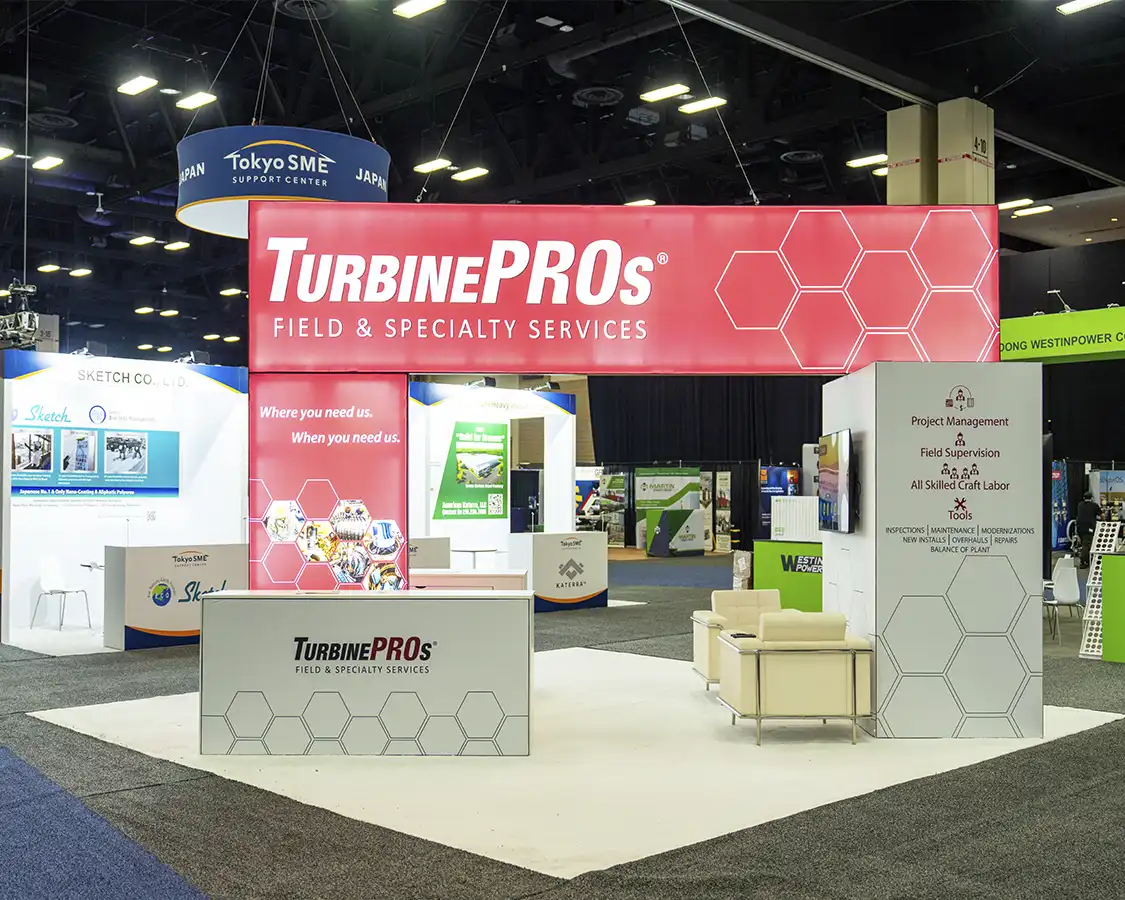
Trade Show Project Management in Dallas, TX visual for Trade Show Display Rental of Dallas
Service

Pre-Show Planning and Venue Alignment

Initiating a trade show project begins with detailed venue analysis, particularly for facilities like the Kay Bailey Hutchison Convention Center Dallas, where exhibitors must review service partner directories and dock schedules well in advance to secure prime freight windows. Project managers compile comprehensive timelines that account for the convention center's rules for advance utility orders, ensuring power drops, data lines, and drainage points are provisioned without last-minute rushes that could incur premiums or delays. This phase also involves cross-referencing booth footprints against floor plans from Dallas Market Hall or the Fashion Industry Gallery to confirm spatial compliance and adjacency rules, preventing redesigns that erode budgets.

Budget forecasting integrates these venue mandates, projecting costs for mandatory services through approved partners while buffering for variables like extended dock holds during peak events. Coordination extends to nearby convention hotels such as the Omni Dallas Hotel and Hyatt Regency Dallas, where ballroom configurations demand early reservation of rigging points and AV infrastructure. By mapping the entire project critical path against these parameters, managers establish checkpoints for design approvals, fabrication milestones, and logistics handoffs, fostering accountability across distributed teams.

  • Dock reservation protocols per venue guidelines
  • Utility order deadlines from exhibitor portals
  • Service partner vetting for compliance

Freight Logistics and Dock Coordination

Managing freight movement into Dallas venues requires intimate knowledge of access protocols, as seen at the Kay Bailey Hutchison Convention Center Dallas, where designated docks handle incoming shipments with strict appointment systems to maintain flow during high-volume periods. Project oversight ensures bills of lading align with booth assignments, coordinating tractor-trailers for unloading sequences that prioritize larger island exhibits before inline configurations. This prevents cross-traffic jams that amplify drayage fees and extends to outlying spaces like Irving Convention Center at Las Colinas, adapting to their separate freight yards.

Storage interim solutions bridge gaps between arrival and install, with project tracking systems monitoring container statuses against show calendars. For venues without on-site warehousing, such as Dallas Market Hall, managers arrange bonded facilities nearby, scheduling Just in Time deliveries to minimize double-handling. Comprehensive manifests detail crating dimensions and weights, facilitating smooth transitions to I&D crews while adhering to weight restrictions posted on venue exhibitor requirements.

Contingency planning addresses weather disruptions or carrier delays common in the DFW area, incorporating backup routing via major interstates and air cargo from DFW International Airport. Real-time updates via shared portals keep stakeholders informed, ensuring freight integrity from dockside to booth erection.

  • Appointment-based dock access scheduling
  • Manifest preparation for efficient unloading
  • Interim storage coordination

Vendor and Service Partner Synchronization

Aligning multiple vendors starts with onboarding to venue service partner lists, prominently featured on the Kay Bailey Hutchison Convention Center Dallas venue guidance, where general contractors and exhibitor-appointed contractors must register for credentials and insurance verification. Project managers facilitate these submissions, harmonizing schedules so that AV providers, electricians, and riggers operate in sequenced phases without territorial overlaps. For specialized venues like the Fashion Industry Gallery, this extends to fashion-specific rigging for apparel displays, ensuring partners meet apparel handling standards.

Communication hubs centralize RFPs, contracts, and progress reports, with milestones tied to venue move-in dates. At convention hotels like the Hyatt Regency Dallas, coordination includes union labor notifications for banquet hall setups, preventing work stoppages. Budget ledgers track vendor invoices against purchase orders, flagging variances early to maintain fiscal control amid fluctuating material costs.

Performance evaluations post each phase refine future alignments, building a repository of vetted partners suited to Dallas venue idiosyncrasies, from Omni Dallas Hotel's elevated loading zones to Gaylord Texan Resort's expansive bay doors.

On-Site Supervision and Execution Oversight

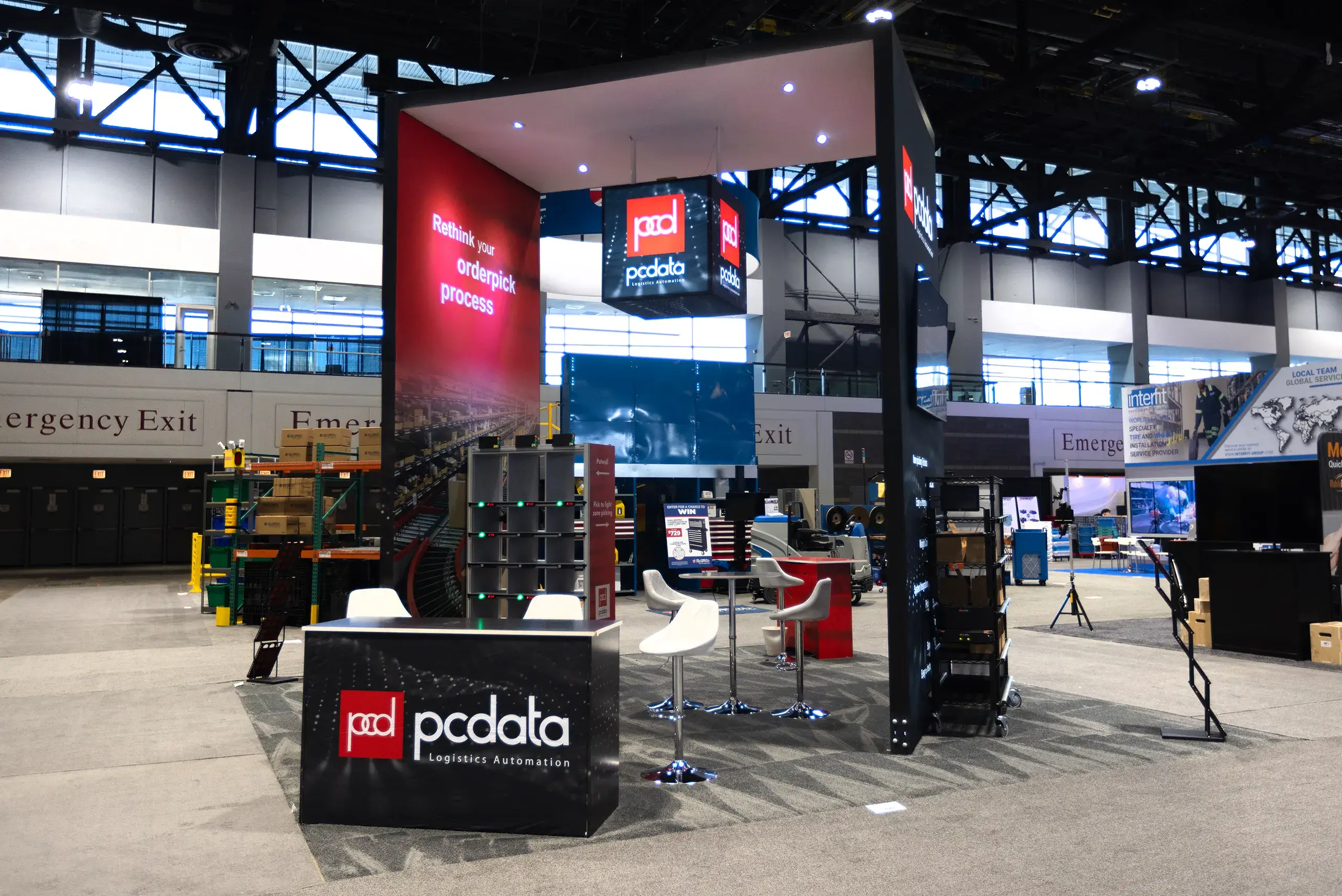
During show days, project management shifts to real-time floor supervision, monitoring booth activations at the Kay Bailey Hutchison Convention Center Dallas to confirm utilities are live and exhibits operational before doors open. Supervisors circulate through assigned zones, addressing glitches in lighting circuits or interactive demos promptly via pre-vetted service partners. This vigilance extends to crowd flow management around high-draw islands, coordinating with venue staff for barrier adjustments without impeding emergency egress paths.

Daily debriefs capture metrics on foot traffic, lead capture efficacy, and staff performance, informing mid-show tweaks like repositioning graphics for better visibility. In multi-hall setups like Dallas Market Hall, roving oversight ensures consistent branding across dispersed footprints, syncing hospitality activations with core exhibits. For hotel-based events at the Renaissance Dallas Hotel, supervision includes concierge liaisons for VIP routing, enhancing experiential elements.

Safety audits verify compliance with fire marshal inspections, particularly for truss-loaded canopies or flame-retardant graphics, with documentation ready for venue audits.

  • Real-time issue resolution protocols
  • Daily operational recaps
  • Safety and compliance walkthroughs

Utility Procurement and Infrastructure Setup

Utility management demands foresight, as outlined in the Kay Bailey Hutchison Convention Center Dallas exhibitor utilities guide, where orders for 208-volt three-phase power or fiber optic lines must precede freight arrivals by weeks to allow conduit runs under show floors. Project coordinators spec exact amperage based on exhibit riders, factoring in redundancies for high-draw LED walls or charging stations ubiquitous in modern booths. Compression fittings and multi-outlet strips get pre-approved to sidestep on-site rejections.

Coordination with venue electricians ensures smooth handoffs, with test-firing scheduled during soft opens to calibrate loads and prevent breakers from tripping mid-event. Data and telecom setups mirror this rigor, pulling Cat6 from house closets to booths while accommodating Wi-Fi density in packed halls like those at the Irving Convention Center. For plumbing-intensive exhibits, drain line placements align with slab penetrations detailed in venue plans.

Post-setup verifications log meter readings and circuit maps, providing baselines for dismantle-phase reversals and accurate billing reconciliation.

  • Advance power and data orders
  • Load balancing calculations
  • Meter reading documentation

Dismantle Coordination and Asset Recovery

Teardown phases reverse install sequences with equal precision, starting immediately post-close at venues like the Kay Bailey Hutchison Convention Center Dallas, where dock re-entry slots fill rapidly. Project managers orchestrate pack-out crews to crate elements in reverse assembly order, protecting finishes marred by show-week wear. Freight manifests update with outbound weights, streamlining carrier pickups and minimizing demurrage charges from lingering trailers.

Inventory audits confirm completeness before sealants, flagging discrepancies for insurance claims if assets vanish in the shuffle. Venue sweeps verify clean returns, adhering to 'broom clean' standards at Dallas Market Hall to avoid penalties. For traveling exhibits, routing to next stops like Grapevine venues incorporates refurb schedules, repacking with updated labels.

Final reporting compiles dismantle timelines, cost recoveries, and lessons from dock congestions, informing refined protocols for recurring Dallas circuits.

  • Reverse-sequence pack-out planning
  • Asset inventory audits
  • Venue clean-up verifications

Budget Control and Performance Analytics

Financial oversight permeates every project stage, with rolling forecasts adjusted for venue-driven expenditures like premium dock fees at peak times or utility overages at the Omni Dallas Hotel. Managers dissect invoices Line by Line against benchmarks, negotiating credits for under-delivered services through service partner channels. Variance analyses highlight efficiencies, such as bulk utility buys across multi-booth clients.

ROI tracking quantifies leads prepared versus spend, segmenting by activation zones in facilities like the Fashion Industry Gallery to pinpoint high-performers. Post-mortems dissect total costs, allocating shares to planning lapses or vendor premiums, with dashboards visualizing trends for future bids. This data-driven closure ensures exhibitors extract full value from Dallas investments, readying for scaled expansions.

Buyer questions

Trade Show Project Management in Dallas

What does trade show project management typically cover for Dallas venues?

It spans pre-planning, freight logistics via docks like those at Kay Bailey Hutchison Convention Center Dallas, vendor alignment with service partners, on-site supervision, utility setups, dismantle oversight, and final reporting to ensure End to End compliance and efficiency.

How are venue-specific rules handled in project timelines?

Timelines incorporate details from exhibitor portals, such as advance dock appointments and utility orders at the convention center, adapting to each facility's protocols from Dallas Market Hall to convention hotels for smooth execution.

What role do service partners play in Dallas trade shows?

Venue directories like the Kay Bailey Hutchison Convention Center Dallas list approved partners for mandatory services, which project managers coordinate to meet registration, insurance, and operational standards without overlaps.

How is freight managed across multiple DFW venues?

Freight planning uses appointment systems for docks, manifests for unloading, and interim storage solutions, tailored to access points at Irving Convention Center or Gaylord Texan while monitoring carrier performance.

What happens during on-site project supervision?

Supervisors monitor activations, resolve utility or demo issues via partners, conduct safety audits, and run daily recaps to optimize performance throughout the event at halls like Fashion Industry Gallery.

How are budgets tracked and finalized post-event?

Rolling forecasts track variances, invoice audits secure credits, and ROI analytics measure leads against costs, with comprehensive reports drawing from venue billing for accurate closures.

Project intake

Trade Show Display Rental of Dallas

Dallas trade show display rental planning shaped around venue rules, freight timing, and brand discipline.

Start Planning