Locations / Trade Show Display Planning for Farmers Branch, TX

Trade Show Display Planning for Farmers Branch, TX

practical coordination resources for exhibitors and organizers navigating display requirements across the distinct venue clusters serving Farmers Branch and the broader DFW region.

Planning focusMapping Farmers Branch events to appropriate DFW venue clusters with differentiated operational demands
Local requirementIncorporating exhibitor guidelines from the Kay Bailey Hutchison Convention Center into initial timelines
Execution detailReferencing service partner directories and utility specifications for accurate resource allocation
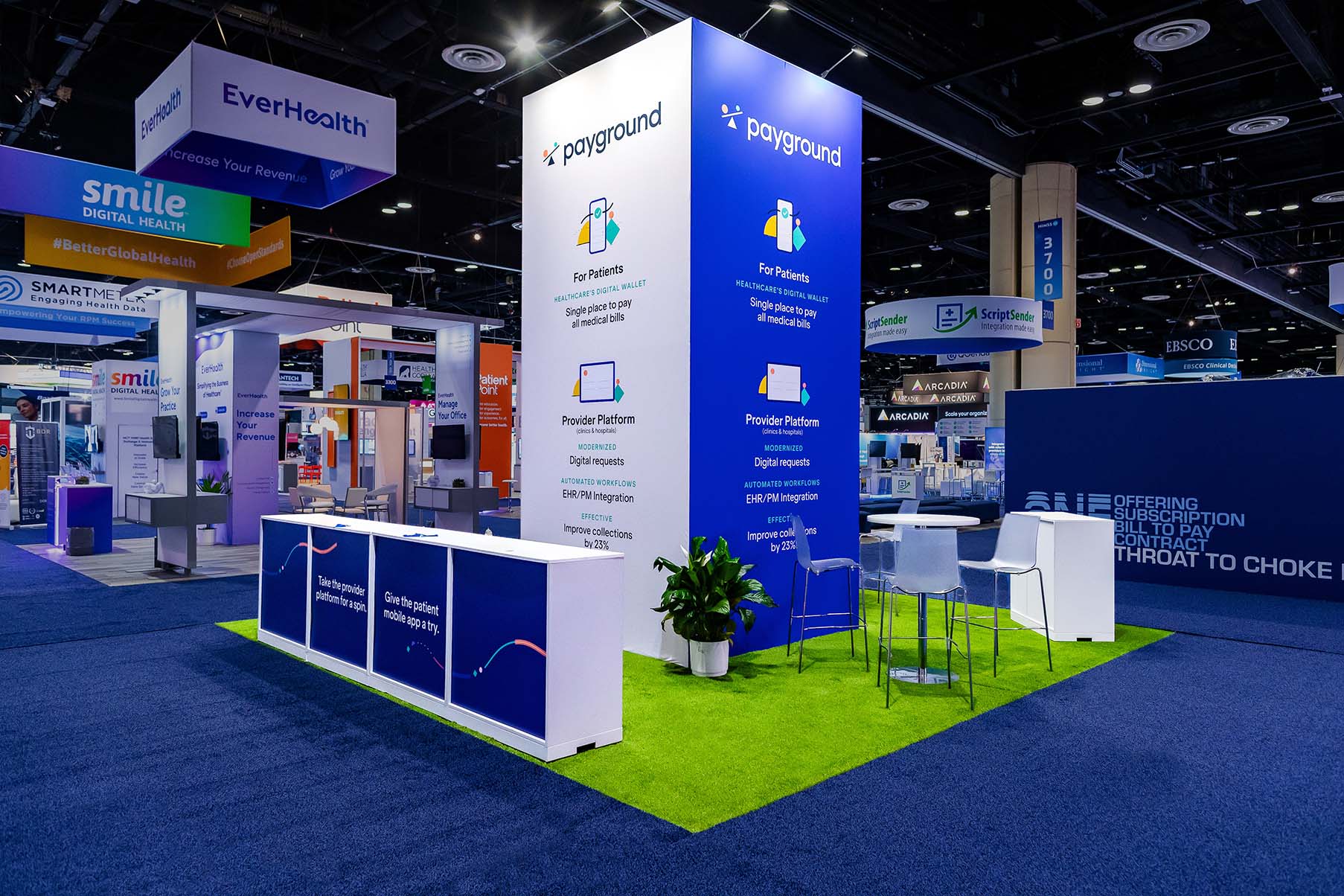
Farmers Branch Trade Show Display Rental visual for Trade Show Display Rental of Dallas
Location

Farmers Branch Within the DFW Trade Show Ecosystem

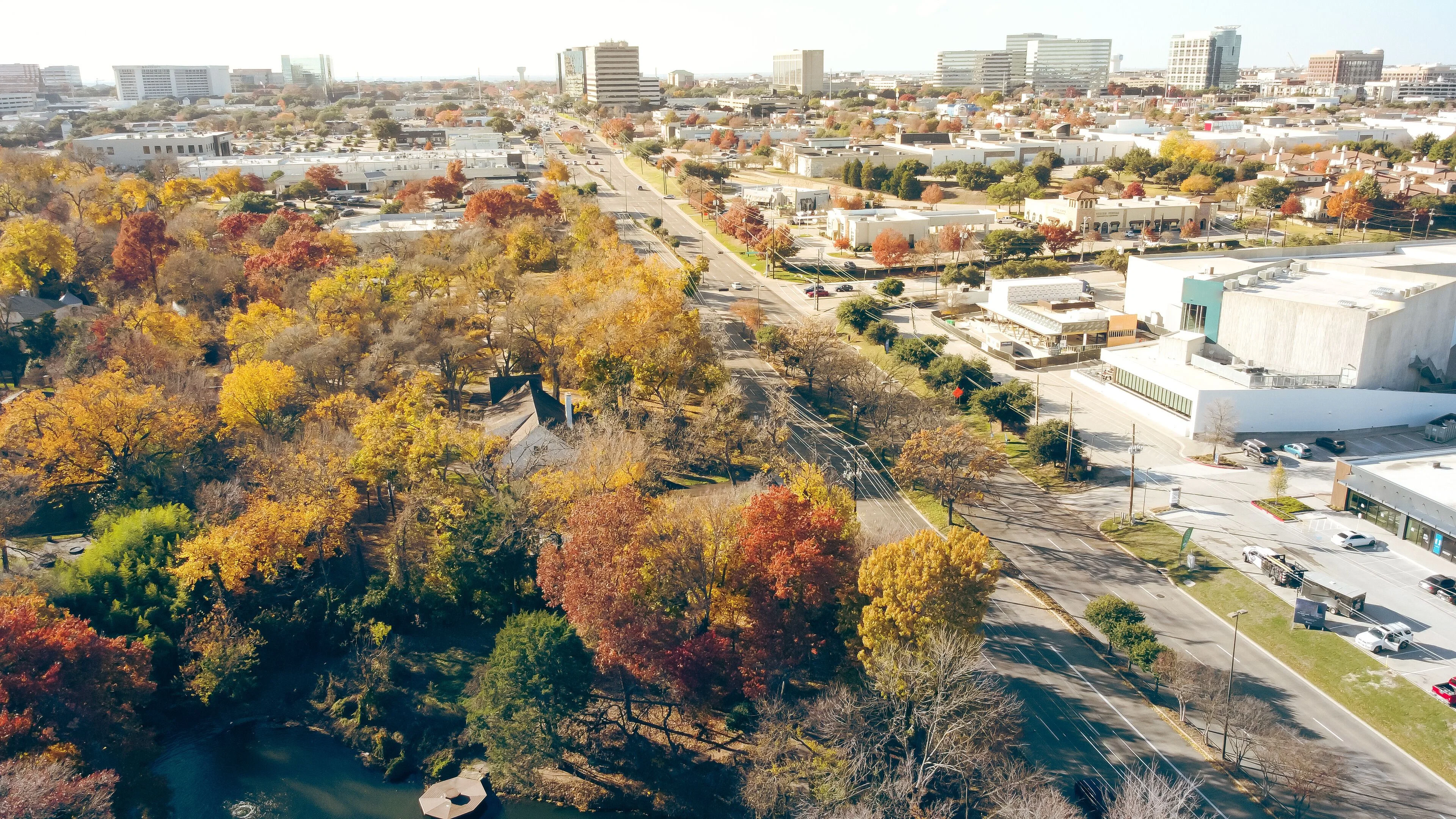
As one of numerous secondary municipalities identified for their capacity to support exhibit, conference, activation, and Install and Dismantle demand, Farmers Branch occupies a strategic suburban position in the Dallas-Fort Worth landscape. Its inclusion alongside recommended locations such as Carrollton, Addison, Irving, and Plano underscores the distributed nature of event activity beyond the primary convention cores. Planning guidance therefore highlight how events hosted in or near Farmers Branch frequently leverage proximity to multiple venue types, requiring coordination that respects the distinct operational contexts of each.

The broader market encompasses venue corridors that link suburban corporate settings with major facilities in Dallas and Fort Worth. This distribution allows organizers to select display solutions calibrated to the scale and audience demographics typical of Farmers Branch events while maintaining compatibility with larger activations in neighboring districts. Emphasis remains on early identification of these alignments to avoid mismatches between exhibit design and venue-specific rules, particularly when events span multiple locations within the recommended network of cities.

Market signals consistently position these suburban nodes as viable for targeted industry gatherings that benefit from reduced congestion compared to downtown cores. Coordination therefore involves careful evaluation of how Farmers Branch's role complements rather than competes with established clusters in Arlington for sports-adjacent events, Frisco for its dedicated meeting venues, or Grapevine for hospitality-driven programming. Such differentiation enables more precise planning that optimizes attendee experience and operational efficiency across the region.

Accessing Distinct Venue Clusters from the Farmers Branch Area

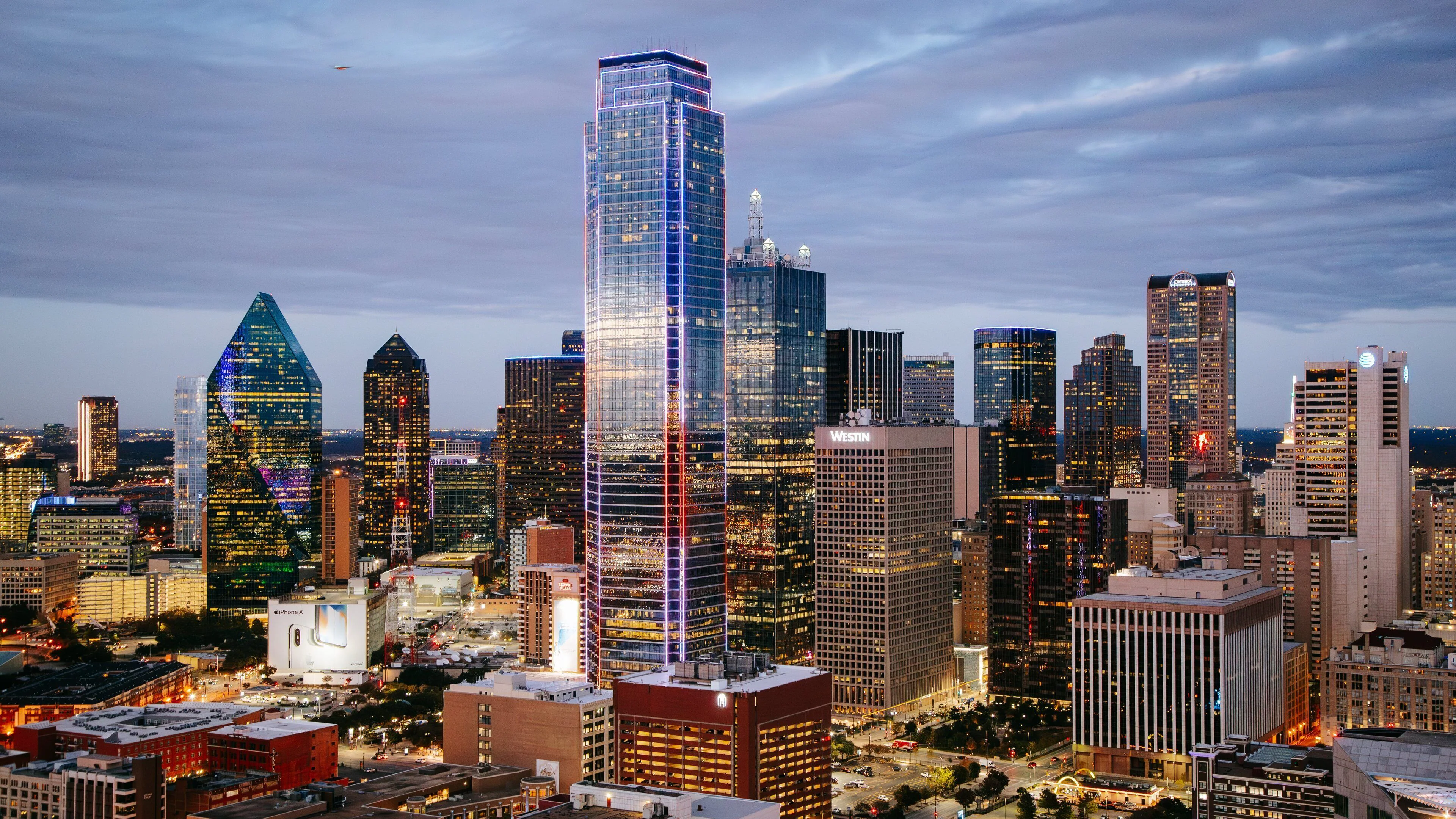
The DFW region features clearly delineated venue clusters, each presenting unique planning implications that must be addressed when coordinating displays for Farmers Branch-centered events. Downtown Dallas, led by the Kay Bailey Hutchison Convention Center, operates under comprehensive exhibitor frameworks that differ markedly from the suburban corporate environments or the specialized setups found in Irving and Arlington. Planners use these distinctions to determine optimal routing, sizing, and support requirements well in advance of move-in dates.

Irving's event infrastructure, supported by dedicated planning guides, emphasizes hospitality and accessibility factors that contrast with the entertainment and convention focus in Arlington or the emerging corporate and technology nodes in Frisco and Plano. Farmers Branch benefits from its placement within this matrix, allowing events to draw on resources from Addison's business-oriented venues or Carrollton's adjacent facilities without defaulting to a One Size Fits All approach. Operational details such as load-in sequencing, utility hookups, and service partner integration vary by cluster and require targeted preparation.

Recommended locations extending from Allen through Richardson, Lewisville, and beyond further expand the available options for hybrid or multi-site campaigns. Coordination resources stress the importance of reviewing cluster-specific characteristics—airport approach logistics for certain districts, dock configurations for larger exhibits, or hospitality integrations for smaller activations—to ensure smooth transitions between Farmers Branch suburban settings and primary convention infrastructure.

This district-level differentiation prevents oversights that could arise from treating the entire metroplex as homogeneous. Instead, practical planning integrates these nuances to support exhibitors who may begin in a Farmers Branch corporate environment before expanding into full-scale shows at central facilities.

  • Downtown Dallas convention core with comprehensive exhibitor and dock protocols
  • Irving hospitality and meeting nodes supported by event planning documentation
  • Arlington cluster emphasizing conventions and entertainment alignments
  • Frisco and Plano venues focused on corporate and specialized meeting infrastructure
  • Grapevine and Addison nodes offering distinct hospitality and business contexts
  • Secondary suburban locations including Carrollton, Richardson, and Lewisville

Exhibitor Resources and Protocols at Kay Bailey Hutchison Convention Center

The Kay Bailey Hutchison Convention Center stands as a cornerstone facility for DFW trade shows, maintaining extensive documentation that informs display coordination for events connected to Farmers Branch and surrounding areas. Resources detail what exhibitors should expect, including clear parameters for service partners, utility provisions, and loading dock operations. These materials enable precise planning that accounts for the center's scale and technical requirements, ensuring compatibility with exhibits that may originate from or route through suburban locations.

Service partner directories provided by the center allow organizers to identify approved providers for various exhibit components without reliance on unverified local claims. This structure supports streamlined coordination by establishing standard channels for labor, materials handling, and technical services that align with the venue's operational standards. For Farmers Branch planners, early consultation of these directories helps integrate center-specific rules into broader event timelines that may encompass multiple districts.

Utility specifications receive particular attention, covering electrical, internet, and other infrastructure needs that vary by booth size and activation type. Understanding these requirements at the planning stage prevents last-minute adjustments and supports designs that function effectively whether deployed in the convention center or adapted for smaller Farmers Branch venues. Dock procedures further refine logistics, providing exhibitors with loading and unloading protocols that synchronize with regional transportation corridors.

Collectively, these resources position the convention center as a reference point for best practices that radiate outward to secondary markets. Coordination efforts for Farmers Branch events therefore incorporate these standards to maintain consistency across the DFW landscape, particularly when campaigns transition between suburban nodes and the primary convention infrastructure.

  • Exhibitor expectation guidelines covering arrival, setup, and operational standards
  • Service partner directory for approved providers across multiple categories
  • Detailed utility planning information for electrical, data, and support systems
  • Dock and loading procedures to optimize inbound and outbound logistics

Supporting Venues and Specialized Applications Across DFW

Beyond the primary convention center, the DFW market includes targeted facilities such as Dallas Market Hall and the Fashion Industry Gallery, each serving distinct segments that may intersect with Farmers Branch programming. These venues offer environments suited to wholesale presentations, industry-specific showcases, or boutique activations where display coordination must reflect unique spatial and audience considerations. Planning guidance reference their documented attributes to help organizers select rental solutions that transfer effectively between locations.

Irving's event planning guide, Arlington's convention resources, and Frisco's venue compilations further expand the toolkit available to Farmers Branch coordinators. These documents highlight how hospitality nodes, sports-adjacent facilities, and corporate meeting centers each impose different demands on exhibit design, traffic flow, and technical integration. By studying these variations, planners develop strategies that maximize impact while adhering to verified operational parameters rather than generalized assumptions.

The Omni Dallas Hotel and similar hospitality venues within the ecosystem provide additional layers for hybrid events that begin in Farmers Branch corporate settings before moving to larger stages. Coordination therefore involves synthesizing insights from multiple planning guidance to create cohesive plans that respect each venue's individuality, whether addressing the Market Hall's exhibition floor dynamics or the Gallery's more intimate presentation requirements.

  • Dallas Market Hall for large-scale wholesale and industry exhibitions
  • Fashion Industry Gallery supporting specialized buyer and showcase events
  • Irving Event Planning Guide detailing municipal and hospitality options
  • Arlington convention resources focused on meetings and visitor attractions
  • Frisco venue information emphasizing modern meeting and conference facilities

Logistics Coordination for Suburban and Urban District Transitions

Effective logistics planning for Farmers Branch events requires explicit differentiation between suburban node characteristics and the more complex demands of urban convention districts. Suburban locations typically feature easier access patterns and reduced density, allowing for streamlined delivery schedules that complement the heavier infrastructure found at facilities like the Kay Bailey Hutchison Convention Center. Coordination emphasizes mapping these transitions to prevent bottlenecks in transportation, setup sequencing, or material handling.

Airport approaches serving the wider DFW region play a significant role in inbound logistics, particularly for national exhibitors routing materials toward Farmers Branch or connecting cities such as Coppell, Euless, or Grapevine. Understanding how these approaches interface with venue-specific dock procedures and service partner requirements enables more accurate timeline development. This preparation accounts for variables such as peak event periods across clusters without introducing unsubstantiated operational claims.

Multi-district campaigns, common in the DFW market, benefit from phased approaches that address each location's unique context. For instance, an activation starting in a Farmers Branch corporate facility may later expand to Irving or Arlington venues, necessitating display elements designed with modular adaptability and compliance with varying utility standards. Planning guidance stresses documentation review and early stakeholder alignment as foundational elements for such efforts.

Best Practices for Display Selection and Event Alignment

Display coordination best practices for the Farmers Branch market center on matching rental solutions to the specific scale, duration, and audience profile of each event while ensuring compatibility with DFW venue standards. This involves evaluating booth dimensions, graphic requirements, and interactive elements against the documented capabilities of target facilities, from smaller suburban meeting rooms to expansive convention floors. Early alignment reduces revision cycles and supports more effective resource utilization across the planning timeline.

Service partner integration forms another critical practice, with venue directories providing the practical basis for selecting providers who understand regional protocols. Whether addressing electrical demands outlined in utility guides or coordinating with approved handlers at dock facilities, these practices maintain compliance and operational smoothness. For events spanning Farmers Branch and nearby locations like Bedford, Hurst, or Mesquite, such integration ensures continuity without disruption.

Timeline development receives equal emphasis, with dedicated phases allocated for design review, material procurement, installation planning, on-site management, and dismantle. These schedules incorporate buffer periods that respect the distinct pacing of suburban versus downtown events, drawing on market insights to anticipate peak periods across the recommended location network. The result is a coordinated framework that prioritizes precision and adaptability.

Ongoing reference to updated venue resources, including those for the convention center and supporting municipalities, keeps planning current. This iterative approach allows organizers to refine strategies based on established facts rather than assumptions, ultimately contributing to higher execution standards throughout the DFW region.

  • Match display specifications directly to documented venue spatial and technical parameters
  • Engage service partners through official directories at the earliest feasible stage
  • Develop detailed timelines incorporating cluster-specific install and dismantle windows
  • Review utility and dock documentation to prevent on-site complications
  • Maintain modular designs that adapt across suburban and primary venue environments

Regional Event Planning Guides and Market Insights

DFW event success depends on synthesis of specialized guides that illuminate the operational realities of individual clusters. The Irving Event Planning Guide offers structured information on municipal venues and hospitality integrations, while Arlington's convention resources detail meeting and visitor infrastructure suited to particular event profiles. Frisco's venue listings complement these by highlighting modern facilities tailored to corporate and technology gatherings, all of which inform Farmers Branch planning when events cross municipal boundaries.

These materials, alongside convention center documentation on exhibitors, service partners, utilities, and docks, create a comprehensive reference library for coordinators. Market demand reinforces that the listed cities—including Dallas, Fort Worth, Plano, Addison, and the full roster of secondary locations—collectively address realistic demand across show types. With current venue rules accounted for, planning remains grounded in district-level specificity rather than broad generalizations.

Organizers gain particular value from understanding how secondary municipalities like Farmers Branch support overflow, pre-events, or targeted programming that feeds into larger conventions. This layered approach, supported by the referenced planning guidance, enables development of campaigns that leverage the full spectrum of DFW capabilities while respecting each venue's individual character and requirements.

Strategic Preparation for Sustained DFW Event Outcomes

Long-term success in the Farmers Branch and greater DFW market stems from consistent application of venue-backed planning principles across multiple events. This includes systematic review of exhibitor resources, proactive mapping of service partner needs, and continuous refinement of logistics that account for the operational distinctions between clusters. Such discipline transforms one-off activations into repeatable frameworks that scale with evolving market demands.

By maintaining focus on coordination rather than execution claims, resources like this planning guide equip decision-makers with the nuance required to navigate DFW's complexity. From utility planning at major convention facilities to timeline synchronization for suburban nodes, these elements collectively reduce risk and elevate the quality of trade show experiences. The recommended locations network provides a foundation for strategic expansion, allowing events rooted in Farmers Branch to connect meaningfully with the full regional infrastructure.

Future planning cycles benefit from periodic consultation of updated guides covering Irving through Dallas Market Hall and beyond. This practice ensures that display coordination evolves alongside venue enhancements and market shifts, preserving alignment with the practical standards that define successful DFW events.

  • Establish recurring review cycles for all referenced venue rules
  • Build cross-cluster compatibility into core display and logistics templates
  • Track operational outcomes against initial planning assumptions for refinement
  • Expand event scope methodically through the network of recommended DFW locations

Buyer questions

Trade Show Display Planning for Farmers Branch, TX

What positions Farmers Branch as part of the DFW trade show market?

Farmers Branch is included among the thirty-five nearby city areas covering primary venue corridors, airport approaches, suburban corporate nodes, and secondary municipalities that support realistic demand for exhibits, conferences, activations, and Install and Dismantle activities throughout the Dallas-Fort Worth region.

Which resources detail exhibitor requirements at the Kay Bailey Hutchison Convention Center?

The center provides venue rules for what exhibitors should expect, approved service partners, utility specifications, and dock procedures, all of which inform precise coordination for events connected to Farmers Branch and other DFW districts.

How do operational contexts vary across DFW venue clusters?

Each cluster maintains distinct characteristics: downtown Dallas emphasizes large-scale convention protocols, Irving focuses on hospitality integrations, Arlington aligns with entertainment and meetings, Frisco offers specialized corporate venues, and suburban nodes like Farmers Branch support targeted, lower-density events.

What supporting venues provide additional planning context for the region?

Key facilities include Dallas Market Hall for wholesale exhibitions, the Fashion Industry Gallery for specialized showcases, along with venue resources cataloged for Irving, Arlington, Frisco, Grapevine, Addison, and Plano to address diverse event applications.

Why is district-level differentiation important in display planning?

Treating Arlington, Frisco, Irving, Grapevine, Plano, Fort Worth, and downtown Dallas as distinct operational environments ensures that display choices, logistics, and timelines align with each venue's specific rules, utilities, and service partner requirements rather than applying generic solutions.

How should organizers approach multi-venue campaigns involving Farmers Branch?

Begin with cluster-specific documentation from service partner directories and planning guides, then develop modular timelines that accommodate transitions between suburban nodes and primary facilities while maintaining compliance with all documented exhibitor and logistics standards.

Project intake

Trade Show Display Rental of Dallas

Dallas trade show display rental planning shaped around venue rules, freight timing, and brand discipline.

Start Planning