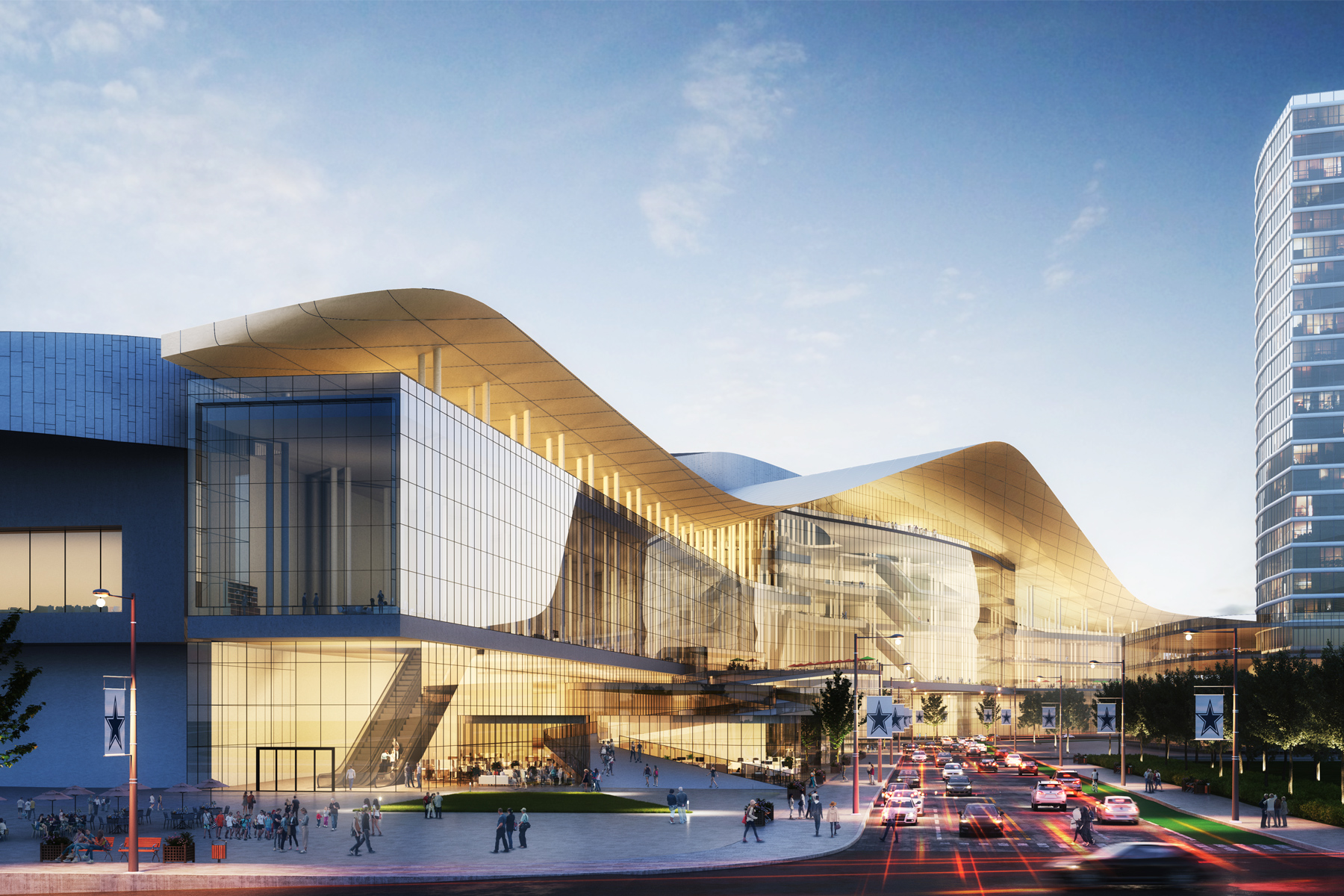
The city of Arlington anchors a unique segment of the DFW events ecosystem, characterized by its blend of hospitality infrastructure, accessibility from primary transportation arteries, and capacity to host gatherings that draw both regional and national audiences. As one of several distinct venue clusters spanning from downtown Dallas through suburban nodes and into Fort Worth, Arlington requires planning approaches that respect its individual operational patterns rather than applying uniform templates across the metroplex.
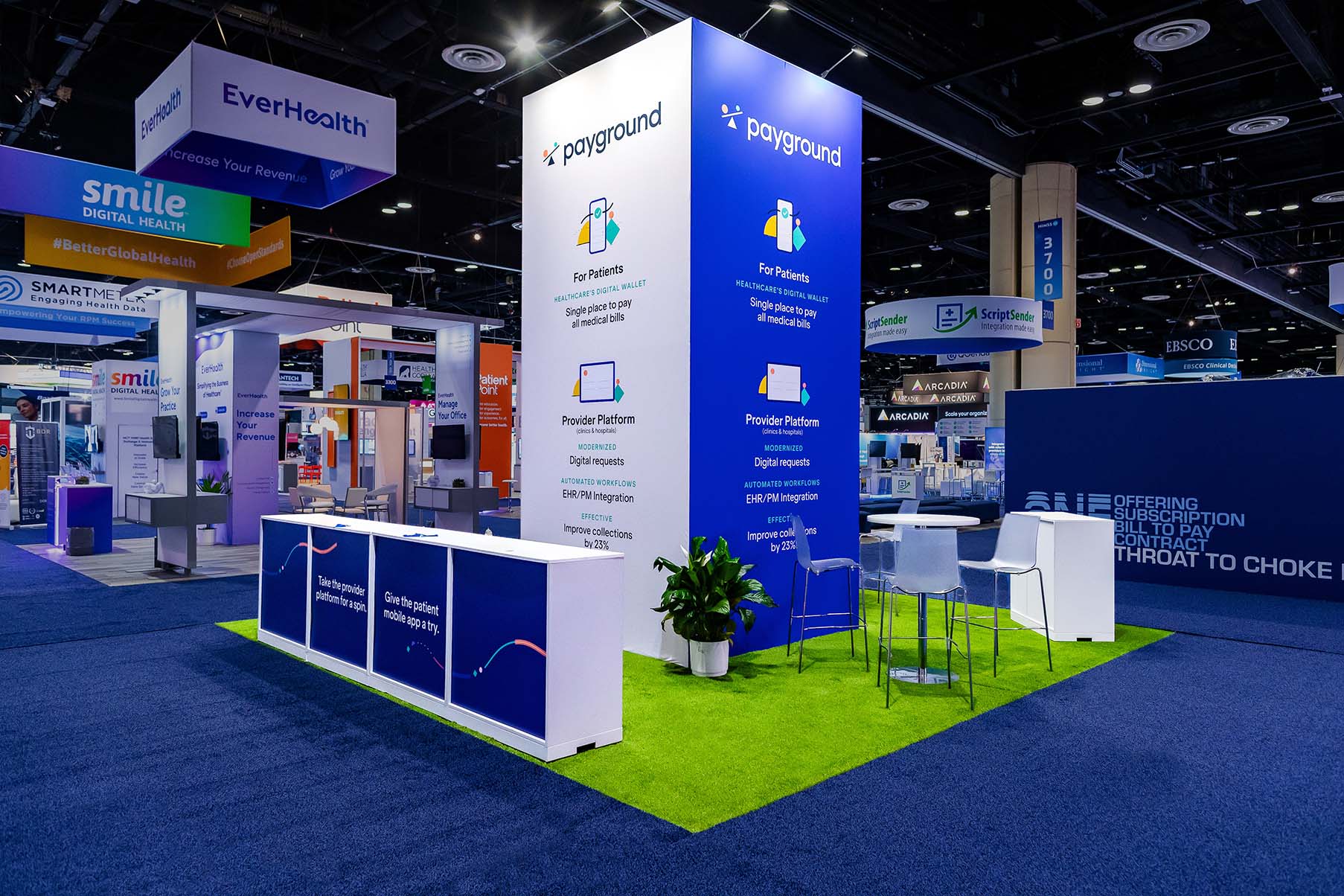
Coordination resources highlight how Arlington events frequently emphasize engagement formats that align with the area's established reputation for large-scale activations and conferences. This context influences decisions around display scale, modularity, and adaptability, particularly when exhibitors participate in sequenced stops that include other DFW municipalities. Early mapping of these patterns allows for more accurate forecasting of setup windows, attendee flow requirements, and the integration points where rental systems must perform reliably across varying site conditions.
Understanding these distinctions supports more effective resource allocation. Rather than treating the entire DFW region as a single undifferentiated market, targeted planning recognizes that Arlington's event cadence, spatial configurations, and audience expectations create specific demands that benefit from tailored preparation. This nuanced perspective helps exhibitors maintain consistency in brand presentation while adjusting execution details to suit the local environment.
- Central placement between primary DFW urban centers
- Support for exhibits, meetings, activations, and Install and Dismantle activity
- Differentiation from downtown Dallas, Irving, and Frisco operational contexts
- Integration within broader airport approach and hospitality corridors