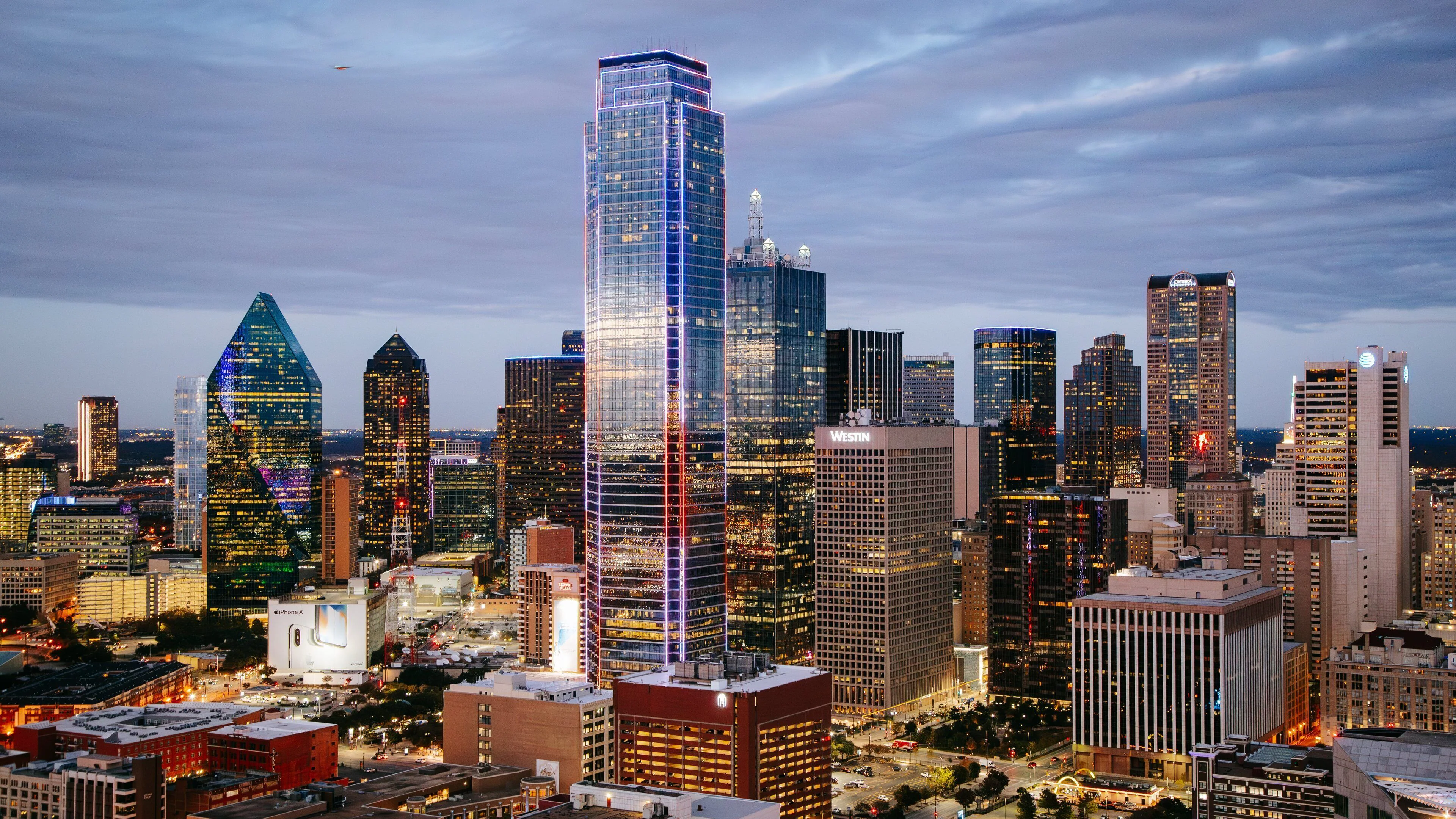
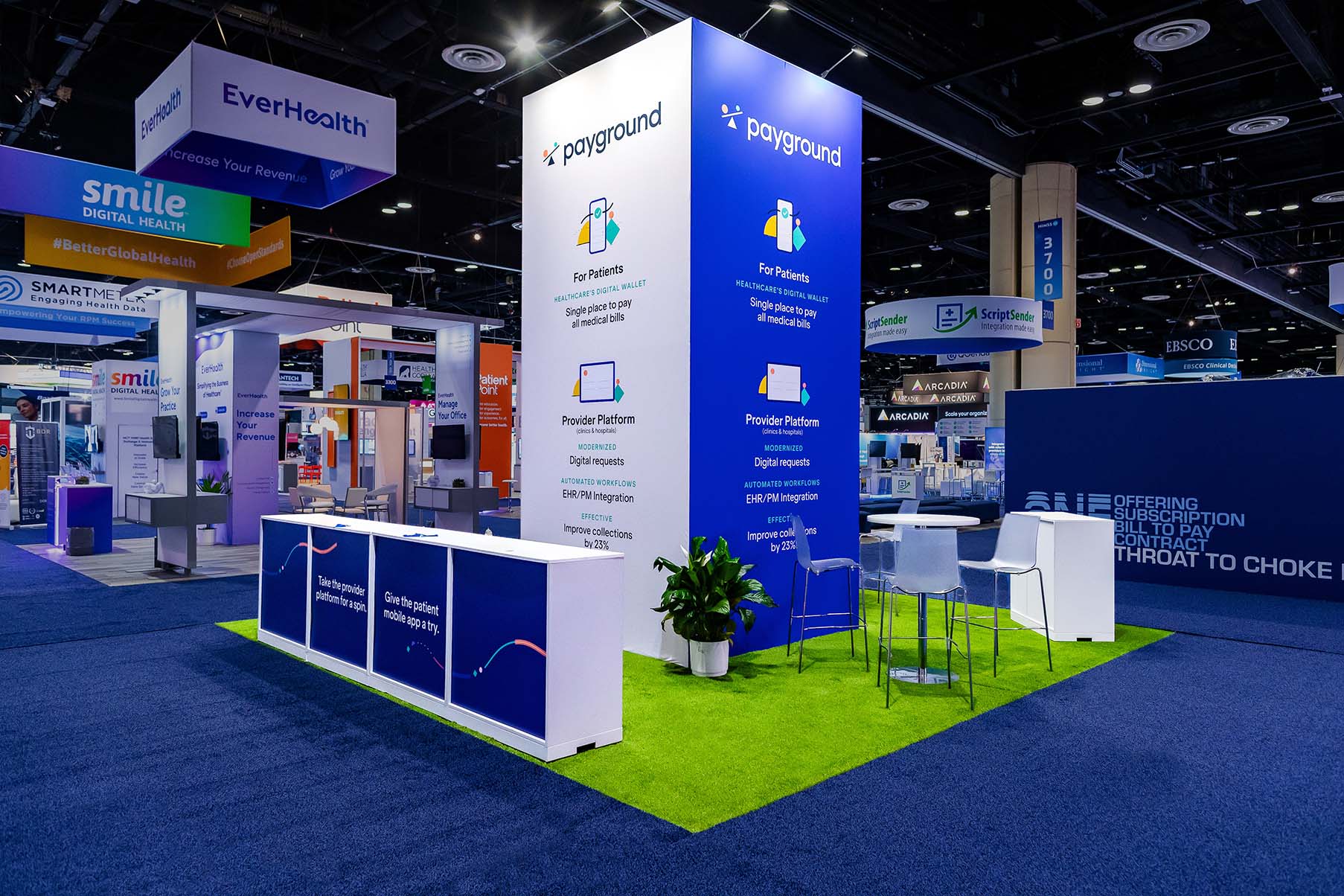
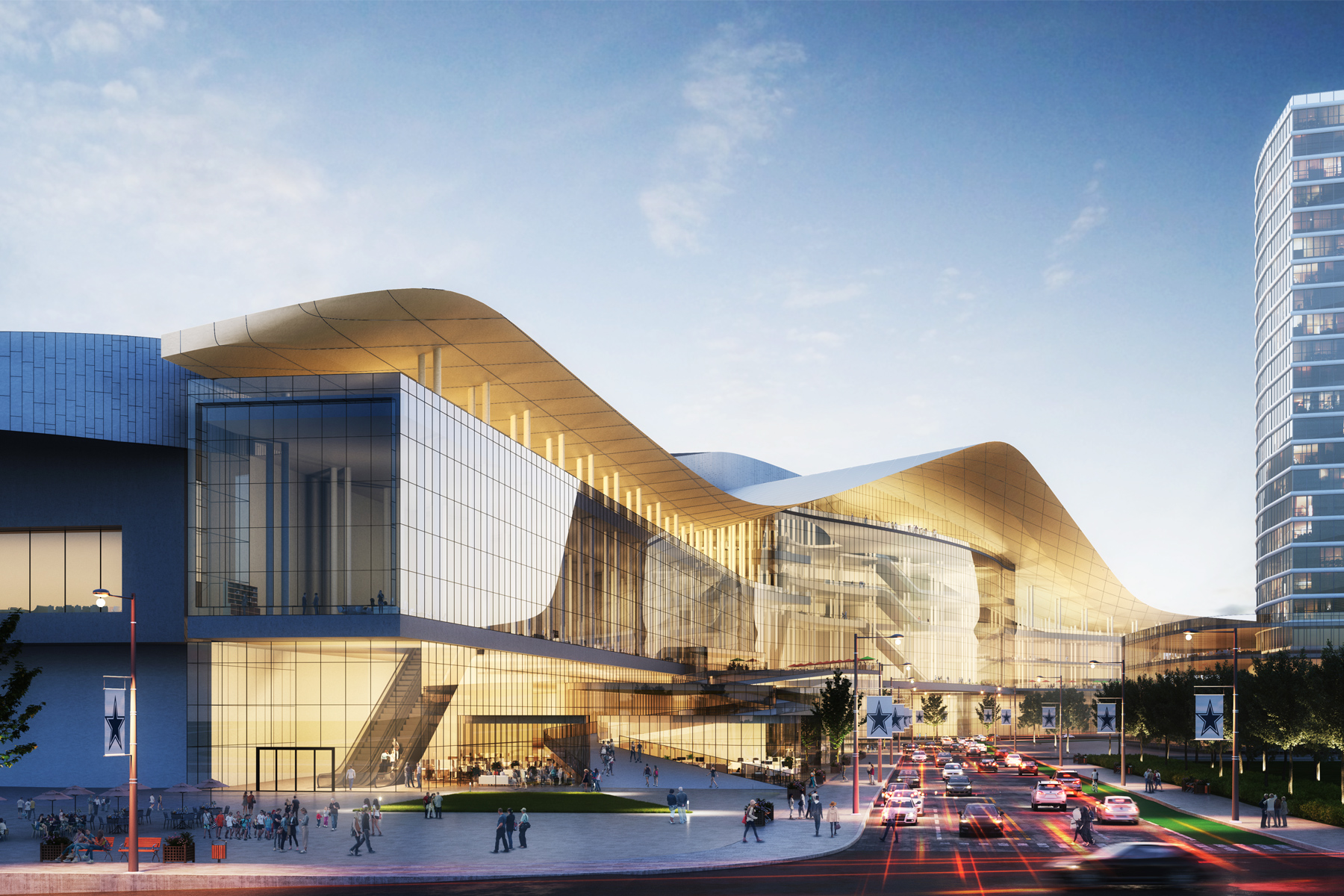
The Kay Bailey Hutchison Convention Center stands as a cornerstone of the downtown Dallas cluster, hosting numerous high-profile trade shows and industry gatherings each year. Exhibitors targeting this facility must address current guidelines covering material handling procedures, utility access points, and relationships with authorized service partners. These requirements directly influence display design parameters, shipping timelines, and on-site execution planning for Cedar Hill organizations.
Complementary DFW venues such as Dallas Market Hall support large-format consumer and trade events with their own distinct handling and presentation standards. The Fashion Industry Gallery offers more specialized, boutique-scale exhibition opportunities where design precision and aesthetic integration assume greater significance. Hotel-based facilities, including those at the Omni Dallas Hotel, accommodate mid-sized corporate functions where space constraints and rapid turnover demand compact, efficient display solutions.
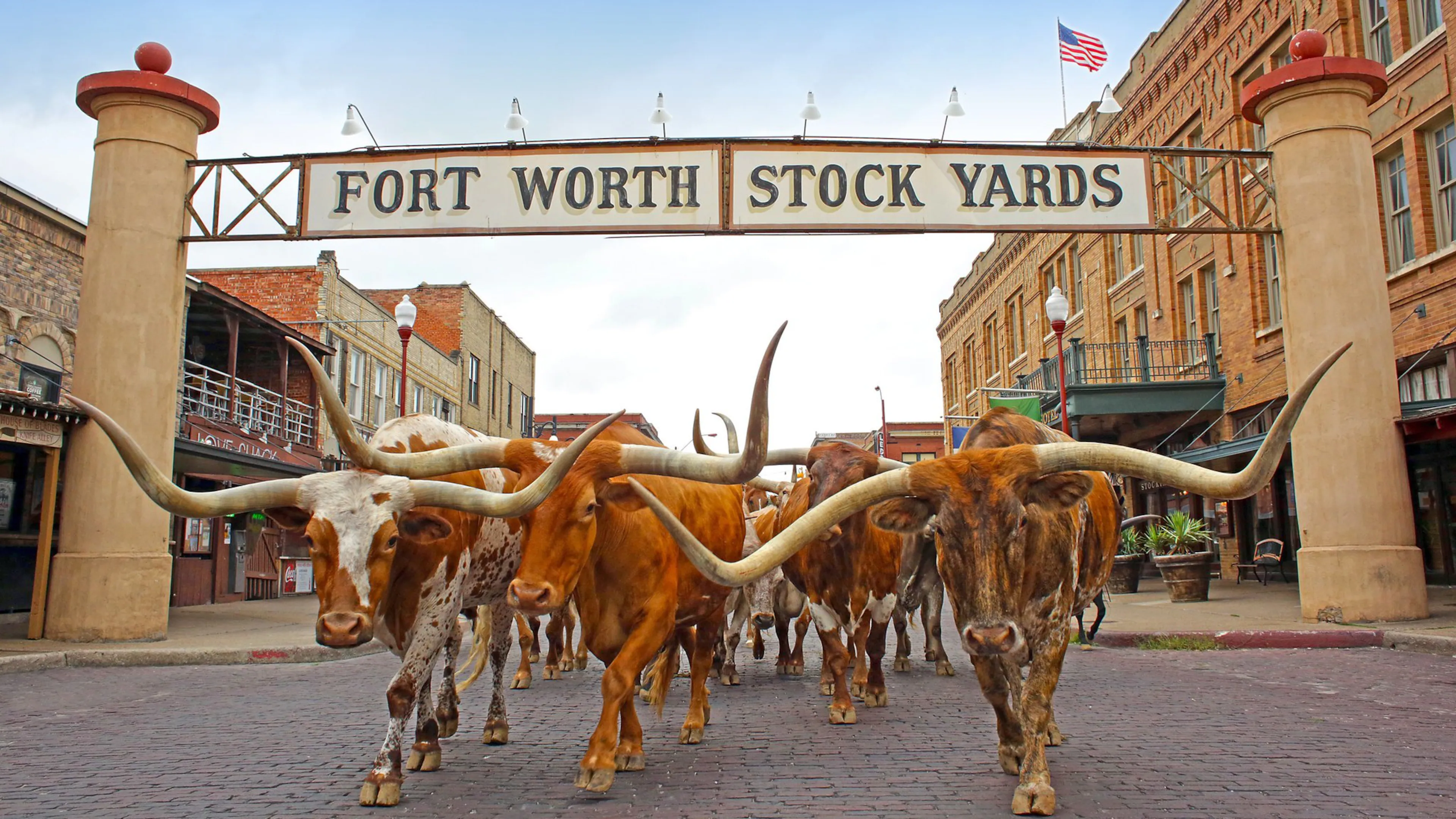
Arlington, Irving, Grapevine, Plano, and Fort Worth each maintain independent operational profiles that affect everything from preferred carrier arrangements to labor coordination and electrical specifications. Planning that treats these as separate ecosystems rather than interchangeable locations enables more accurate budgeting, timeline development, and risk assessment. Cedar Hill exhibitors gain advantage by incorporating cluster-specific research into their annual event calendars from the earliest stages.
This differentiation extends to the types of audiences encountered in each district, influencing messaging, interactive components, and overall exhibit architecture. Systematic review of venue rules ensures alignment between display investments and the environments where they will be deployed.
- Downtown Dallas convention infrastructure
- Arlington sports and entertainment focus
- Irving and Grapevine airport corridor nodes
- Plano, Frisco, and Fort Worth specialized districts