Locations / Trade Show Display Rental Coppell TX: DFW Exhibit Planning and Coordination

Trade Show Display Rental Coppell TX: DFW Exhibit Planning and Coordination

Strategic guidance for coordinating trade show displays and exhibits for organizations based in Coppell, with detailed operational insights into the distinct venue clusters across the Dallas-Fort Worth metroplex.

Planning focusMapping Coppell's highway and airport access to distinct DFW venue clusters
Local requirementSelecting display scales matched to Kay Bailey Hutchison Convention Center requirements
Execution detailUnderstanding Irving and Grapevine event planning protocols from regional guides
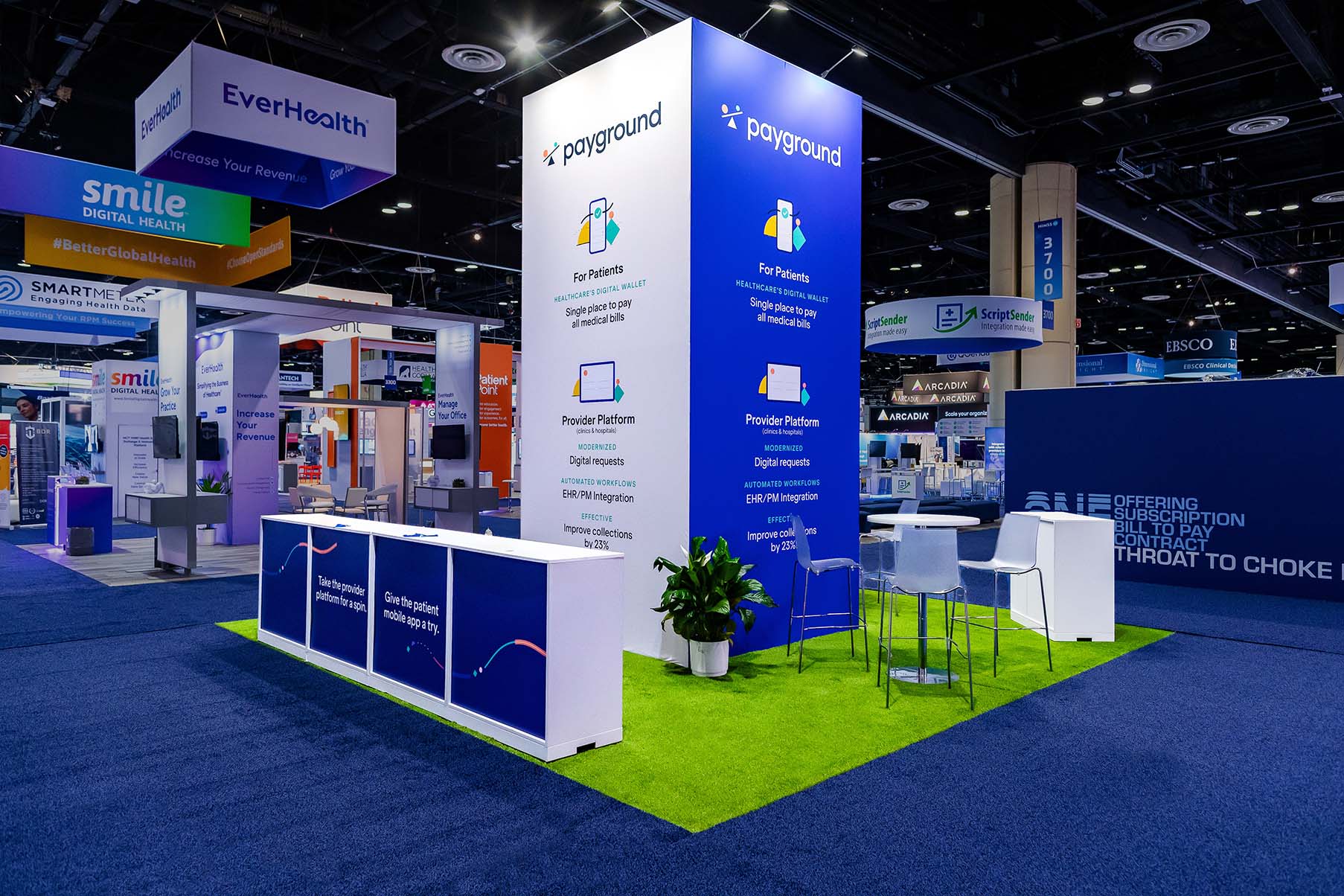
Coppell Trade Show Display Rental visual for Trade Show Display Rental of Dallas
Location

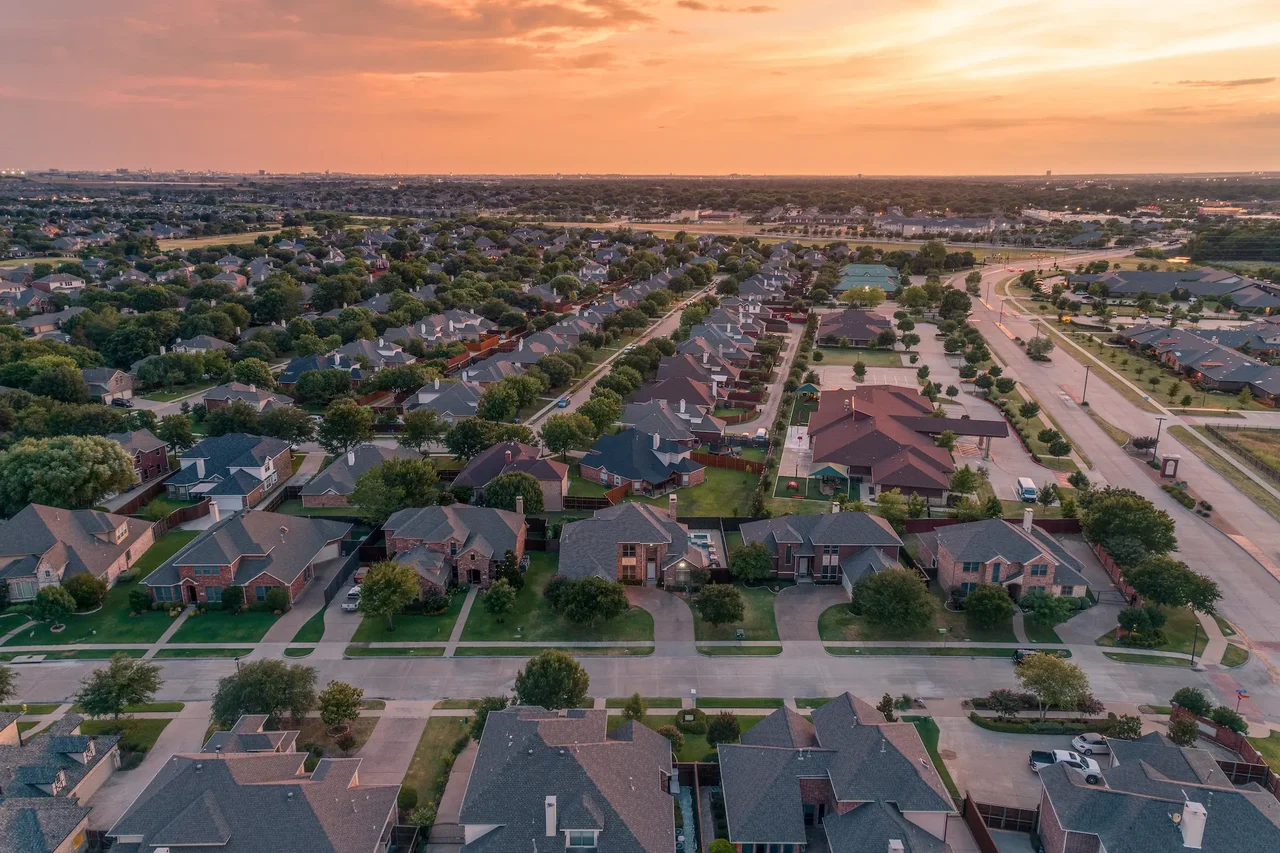
Coppell's Strategic Position Within the DFW Trade Show Corridor

Situated between the commercial nodes of Irving and the northern suburbs, Coppell provides straightforward routing to multiple event concentrations that drive regional exhibition activity. The proximity to DFW International Airport facilitates inbound attendee traffic for national shows, while immediate highway connections support efficient material movement to venues in Dallas, Irving, Grapevine, and further points in Arlington or Frisco. Regional market analyses, including the Irving Event Planning Guide, highlight how suburban bases like Coppell contribute to sustained attendance at conventions by reducing last-mile complexities for North Texas participants.

The broader DFW ecosystem encompasses distinct operational environments. Downtown Dallas concentrates high-volume conventions with rigorous dock and utility schedules. Irving emphasizes corporate and association gatherings with hospitality integration. Grapevine leverages its entertainment district for experiential activations. Arlington ties into sports and entertainment infrastructure. Each cluster presents unique planning considerations that Coppell organizations must address early in the coordination cycle to maintain schedule integrity and budget parameters.

Planning guidance for these markets emphasize early identification of event calendars spanning the Kay Bailey Hutchison Convention Center, Dallas Market Hall, and specialized facilities such as the Fashion Industry Gallery. By treating these as separate ecosystems rather than a monolithic market, exhibitors achieve more precise alignment between display objectives and venue constraints, resulting in measurable improvements in engagement metrics and operational efficiency.

  • Direct I-635 access to Irving and Grapevine clusters reduces transit variables
  • Proximity to DFW Airport supports both domestic and international exhibitor arrivals
  • Distinct planning guides exist for Irving, Arlington, Frisco, and Dallas venues
  • Suburban coordination helps balance cost with access to major demand centers

Navigating the Kay Bailey Hutchison Convention Center from Coppell

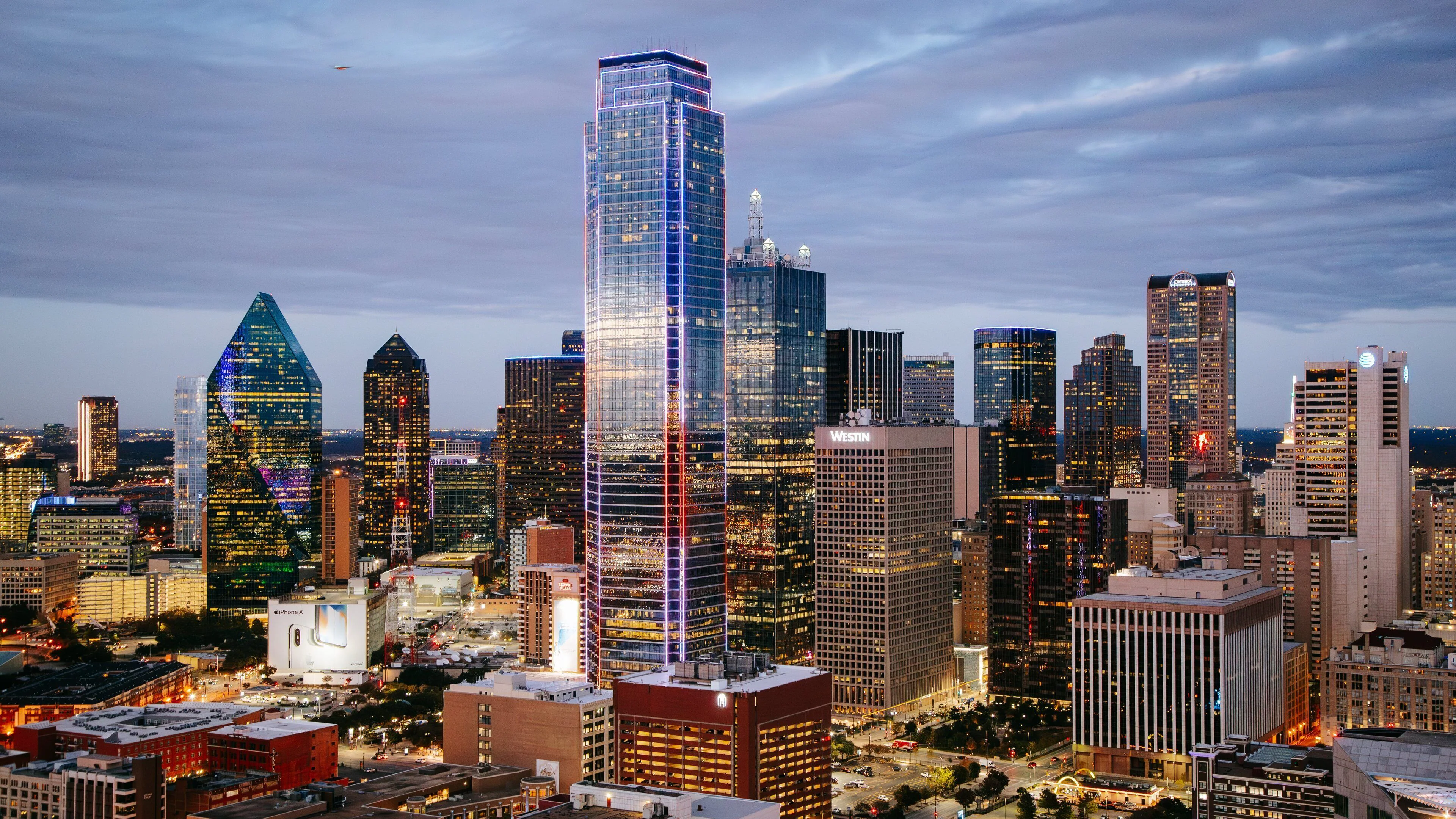
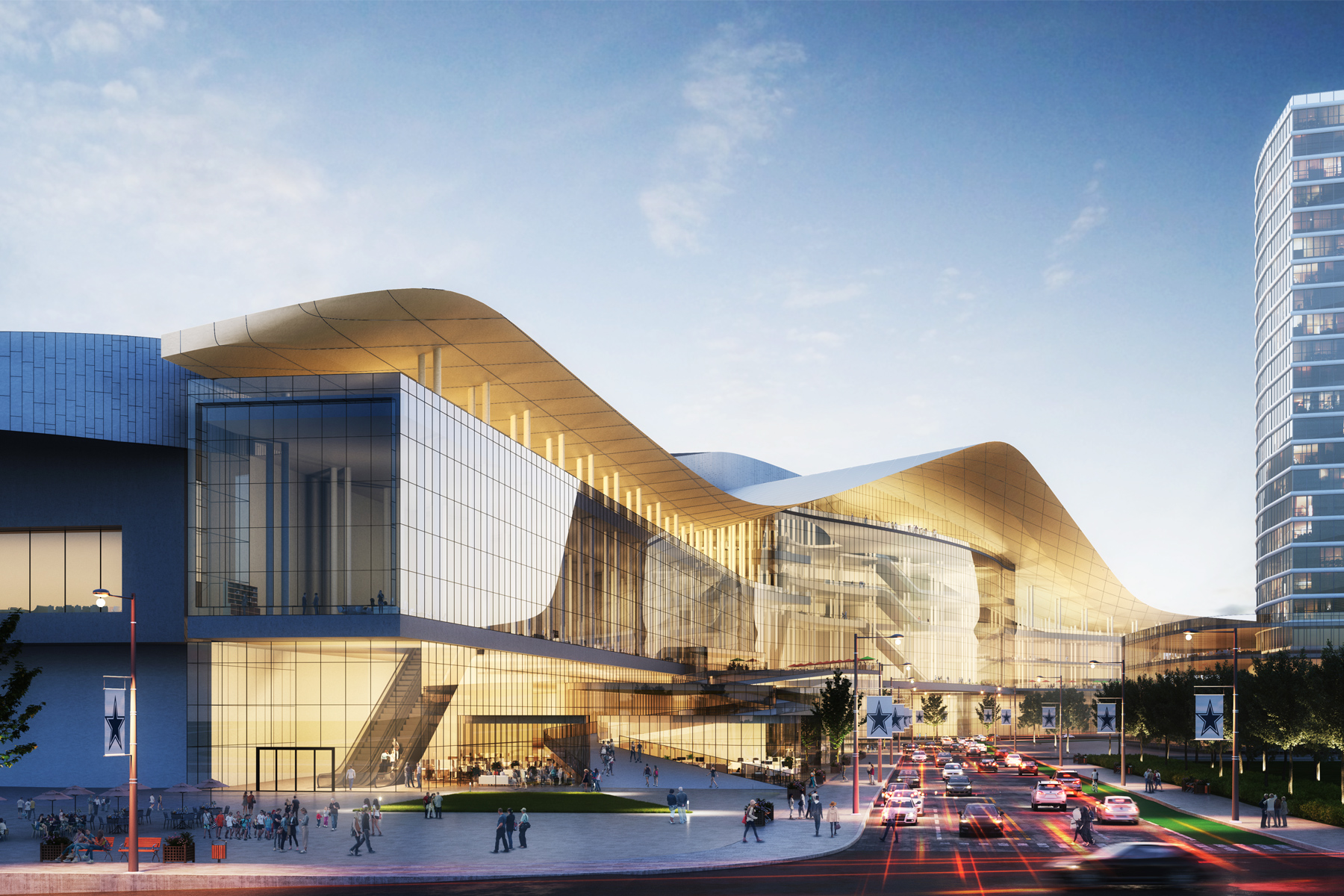
The Kay Bailey Hutchison Convention Center serves as the primary large-scale venue in downtown Dallas, approximately 20 miles from Coppell via established routes. Exhibitor documentation details specific protocols for material intake, utility provisioning, and service coordination that must be incorporated into any rental planning timeline. Planners reference the center's current exhibitor expectations to sequence display delivery, installation windows, and dismantle procedures against documented dock availability and labor parameters.

Utilities at the facility include standardized electrical, internet, and plumbing options outlined in official resources, allowing precise specification of display components during the rental selection phase. Service partners listed by the convention center provide approved channels for rigging, flooring, and specialized equipment, creating a defined ecosystem that Coppell-based coordinators can map against event objectives. Early consultation of these directories prevents downstream conflicts with show management requirements.

Dock operations follow structured schedules with designated inbound and outbound flows to manage high-volume events efficiently. Understanding these patterns enables accurate calculation of material transport buffers from Coppell warehouses or rental origins, ensuring compliance with move-in and move-out windows published for each exhibition. This level of operational detail distinguishes successful large-scale programs from those encountering last-minute adjustments.

Integration with the center's service partner framework further streamlines coordination, as approved providers maintain established relationships with facility management. Coppell planners benefit from reviewing these alignments when developing comprehensive project timelines that encompass both the display rental and supporting activation elements.

  • Review current exhibitor guidelines for utility and dock specifications
  • Map service partner directories against specific booth requirements
  • Calculate transport buffers based on documented move-in scheduling
  • Align rental configurations with available electrical and data infrastructure

Irving, Grapevine, and Arlington Venue Clusters

Irving's conference infrastructure, as detailed in its 2025 Event Planning Guide, emphasizes flexible meeting spaces integrated with hotel properties and corporate campuses. Coppell's adjacency allows for granular planning around these venues, where display scales typically favor modular systems that accommodate variable room dimensions and technology requirements. The guide outlines considerations for audiovisual integration and traffic flow that inform rental decisions well before show dates.

Grapevine venues leverage the city's tourism and hospitality positioning, creating opportunities for experiential displays within mixed-use environments. Planning documentation from regional planning guidance highlights the importance of correlating booth aesthetics with surrounding entertainment districts, requiring coordination of lighting, digital components, and material finishes that differ from pure convention center applications. These nuances affect both initial design and subsequent rental specifications.

Arlington's meetings and conventions landscape connects to sports and entertainment anchors, producing hybrid events that blend exhibition with fan engagement zones. Official resources stress logistical precision around venue perimeters and parking infrastructure, factors that Coppell coordinators incorporate when sequencing material delivery and post-event retrieval. The operational context here diverges from downtown Dallas by prioritizing rapid reconfiguration between sessions.

Collectively, these clusters require differentiated planning approaches. While the Kay Bailey Hutchison Convention Center focuses on scale and standardized docks, Irving and Grapevine emphasize hospitality integration, and Arlington introduces entertainment-driven variables. Mapping these distinctions from a Coppell base optimizes resource allocation across multiple events within a single fiscal quarter.

Dallas Market Hall and Specialized Exhibition Spaces

Dallas Market Hall functions as a versatile mid-scale venue suited for trade expositions, consumer shows, and industry-specific gatherings. Its operational profile, as catalogued in VisitDallas directories, includes expansive floor plates that accommodate both Pipe and Drape configurations and custom island exhibits. Planners reference these attributes when determining rental footprints that maximize visibility without exceeding documented clearance and loading parameters.

The Fashion Industry Gallery presents a more boutique environment within the Dallas design district, where display coordination must respect architectural constraints and elevated aesthetic standards. Coordination resources note the importance of lightweight modular systems that integrate with existing gallery infrastructure while maintaining brand integrity. These requirements differ markedly from those at larger convention facilities, necessitating venue-specific rental checklists.

Both venues benefit from proximity to Coppell via the northern Dallas corridors, enabling tighter timelines between planning milestones and on-site delivery. Published visitor and exhibitor resources provide foundational data on attendee demographics and traffic patterns, allowing precise targeting of display messaging and engagement tactics. This data-driven approach elevates coordination from generic rental orders to strategic communication platforms.

When sequencing multiple shows across these specialized spaces and the primary convention center, planners create master calendars that account for dismantle windows at one venue against move-in at the next. Such cross-referencing, grounded in official venue rules, minimizes material storage gaps and reduces overall program costs.

  • Match display scale to Market Hall's flexible floor configurations
  • Respect architectural parameters at the Fashion Industry Gallery
  • Incorporate documented attendee data into messaging strategy
  • Sequence dismantle and move-in timelines across clustered venues

Logistics Coordination and Utility Planning for DFW Events

Effective logistics planning for Coppell organizations begins with mapping transport routes against each venue's published dock and freight schedules. The Kay Bailey Hutchison Convention Center maintains detailed exhibitor resources covering inbound carrier requirements, staging areas, and overtime parameters that must be factored into rental agreements and material specifications. Similar documentation exists for Irving and Arlington properties, though with adjusted emphasis on hotel loading docks versus dedicated exhibition bays.

Utility planning constitutes another critical workstream. Convention center resources enumerate available power amperages, data drop locations, and plumbing specifications that directly influence which display components can be rented and where they can be positioned. Early alignment with these parameters prevents costly change orders during installation phases. Hotel venues such as the Omni Dallas introduce additional considerations around corridor dimensions and elevator capacities that further refine rental selections.

Service partner directories published by major facilities create approved ecosystems for rigging, supervision, and specialized fabrication. While coordination remains the responsibility of the exhibitor or their planner, these frameworks provide predictability that supports accurate budgeting and risk mitigation. Coppell-based teams reference these lists to ensure all contracted elements comply with venue governance from initial concept through final dismantle.

Comprehensive timelines integrate these elements into phased milestones: concept approval, rental specification, material procurement, transport booking, and post-event analysis. Regional planning guides reinforce the value of building 90- to 120-day lead times for complex DFW programs, particularly when spanning multiple clusters within a single quarter.

Budgeting, Timelines, and Long-Term Exhibition Strategy

Budget frameworks for DFW events must incorporate venue-specific variables including utility fees, service partner rates, and material handling charges set by exhibitor portals. Coppell planners achieve greater accuracy by segmenting costs under the distinct requirements of convention centers versus market halls versus hotel activations, avoiding the inaccuracies that arise from generic regional estimates.

Timeline construction follows similar granularity. The Irving Event Planning Guide and Arlington convention resources provide benchmark schedules for permit acquisition, design submission, and approval cycles that inform master project calendars. When layered with the Dallas convention center's published move-in protocols, these create robust sequences that accommodate unexpected variables while preserving outcome quality.

Longer-term strategy involves cataloging performance data across successive events in the same venue clusters. Insights regarding engagement by display type, traffic flow optimization, and messaging resonance compound over multiple cycles, enabling progressive refinement of rental selections. This institutional knowledge becomes particularly valuable for organizations participating in recurring DFW annual conferences or rotating regional shows.

The cumulative effect of disciplined planning manifests in reduced waste, higher ROI, and more confident brand representation. By anchoring decisions in venue facts rather than assumptions, Coppell organizations establish repeatable processes that scale with market growth across the broader North Texas region.

  • Segment budgets by distinct venue operational profiles
  • Build timelines from published planning benchmarks
  • Track performance metrics across repeated DFW engagements
  • Refine rental specifications using accumulated venue intelligence

Technology Integration and Modern Display Trends

Contemporary exhibits in the DFW market increasingly incorporate interactive technology, digital signage, and data capture solutions that must interface with venue infrastructure. Planning guidance from the convention center and surrounding municipalities detail available bandwidth, power distribution, and mounting parameters that guide technology rental decisions. These technical specifications vary between downtown Dallas facilities and suburban hospitality venues, requiring cluster-specific verification.

The integration process begins during initial concept development, where display scale and technology requirements are balanced against documented utility availability and structural limitations. For instance, island configurations at the Kay Bailey Hutchison Convention Center may support more robust AV installations than linear booths at specialized halls, influencing both creative direction and coordination timelines.

Emerging trends also include sustainable materials and modular systems that facilitate reconfiguration across multiple events. When evaluated against the operational contexts of Irving corporate gatherings versus Arlington entertainment-driven shows, these systems demonstrate different efficiencies. Practical planning therefore includes comparative analysis of reusability factors within the specific DFW rotation an organization intends to pursue.

Buyer questions

Trade Show Display Rental Coppell TX: DFW Exhibit Planning and Coordination

How does Coppell's location benefit trade show coordination in the DFW area?

Coppell's northwest Dallas County position provides direct highway access to Irving, Grapevine, downtown Dallas, and DFW Airport, enabling more precise logistics planning across distinct venue clusters with differentiated operational requirements.

What are the primary venues accessible for events from Coppell?

Key venues include the Kay Bailey Hutchison Convention Center, Dallas Market Hall, Fashion Industry Gallery, Irving conference facilities, Grapevine hospitality venues, and Arlington convention spaces, each with unique planning documentation.

Where can exhibitors find utility and dock specifications for Dallas venues?

The Kay Bailey Hutchison Convention Center publishes detailed exhibitor resources covering utilities, docks, service partners, and operational expectations that should be reviewed during the planning phase.

How far in advance should display coordination begin for major DFW shows?

Regional planning guides recommend 90- to 120-day lead times for complex events, allowing sufficient margin for venue approvals, rental specification, and alignment with published move-in schedules.

Do different DFW clusters require distinct exhibit approaches?

Yes. Downtown Dallas convention centers emphasize scale and standardized procedures while Irving and Grapevine focus on hospitality integration and Arlington incorporates entertainment variables, necessitating tailored planning for each.

What role do published service partner directories play in exhibit planning?

These directories, maintained by venues such as the Kay Bailey Hutchison Convention Center, identify approved providers for rigging, utilities, and specialized services, creating predictable frameworks for coordination and budgeting.

Project intake

Trade Show Display Rental of Dallas

Dallas trade show display rental planning shaped around venue rules, freight timing, and brand discipline.

Start Planning