Locations / Trade Show Exhibit Planning for Mesquite, TX

Trade Show Exhibit Planning for Mesquite, TX

Strategic coordination resources for Mesquite organizations participating in Dallas-Fort Worth trade shows, conventions, and corporate activations.

Planning focusAlignment with distinct DFW venue cluster requirements
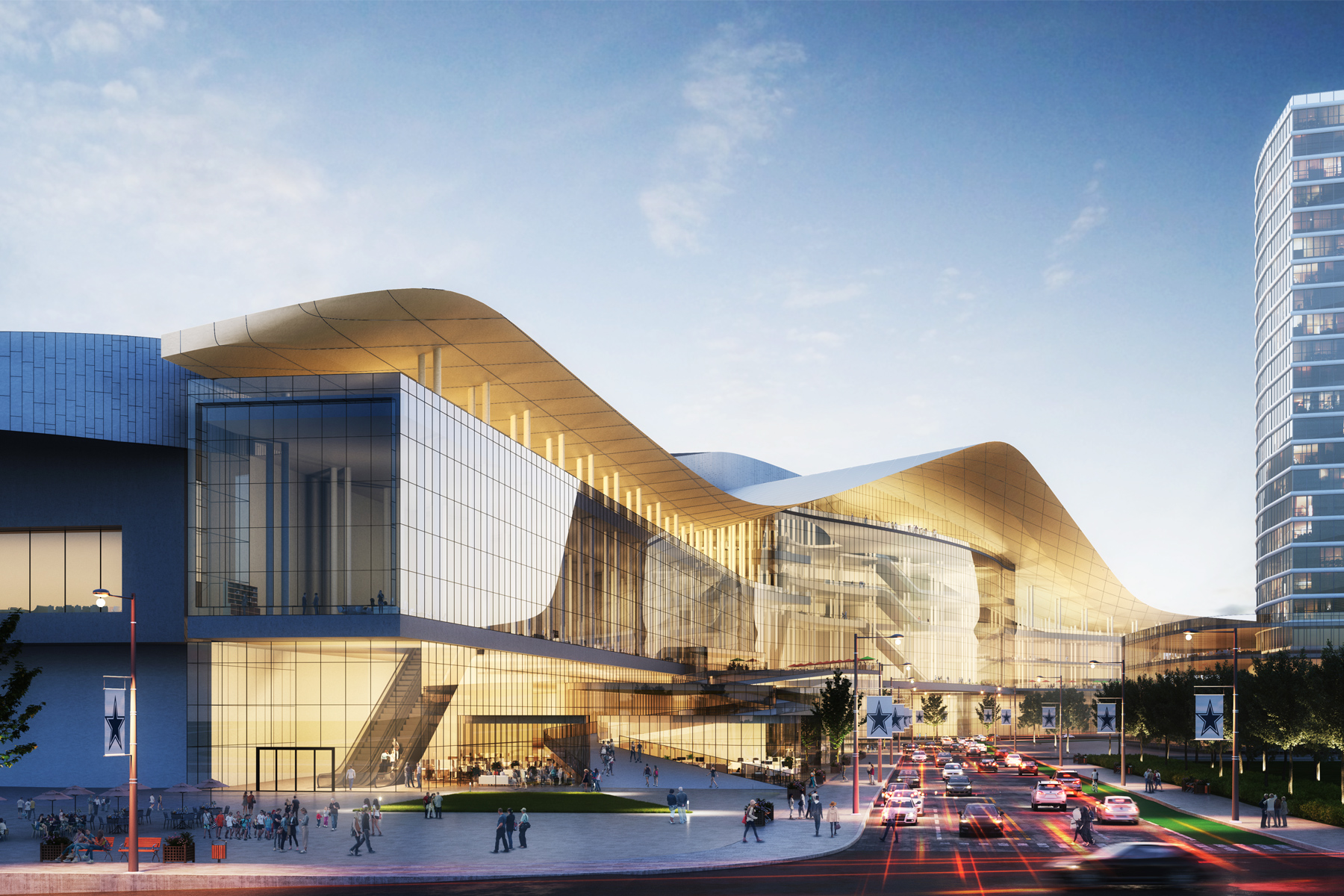
Local requirementCoordination for events at Kay Bailey Hutchison Convention Center
Execution detailLogistics planning across eastern metroplex access points
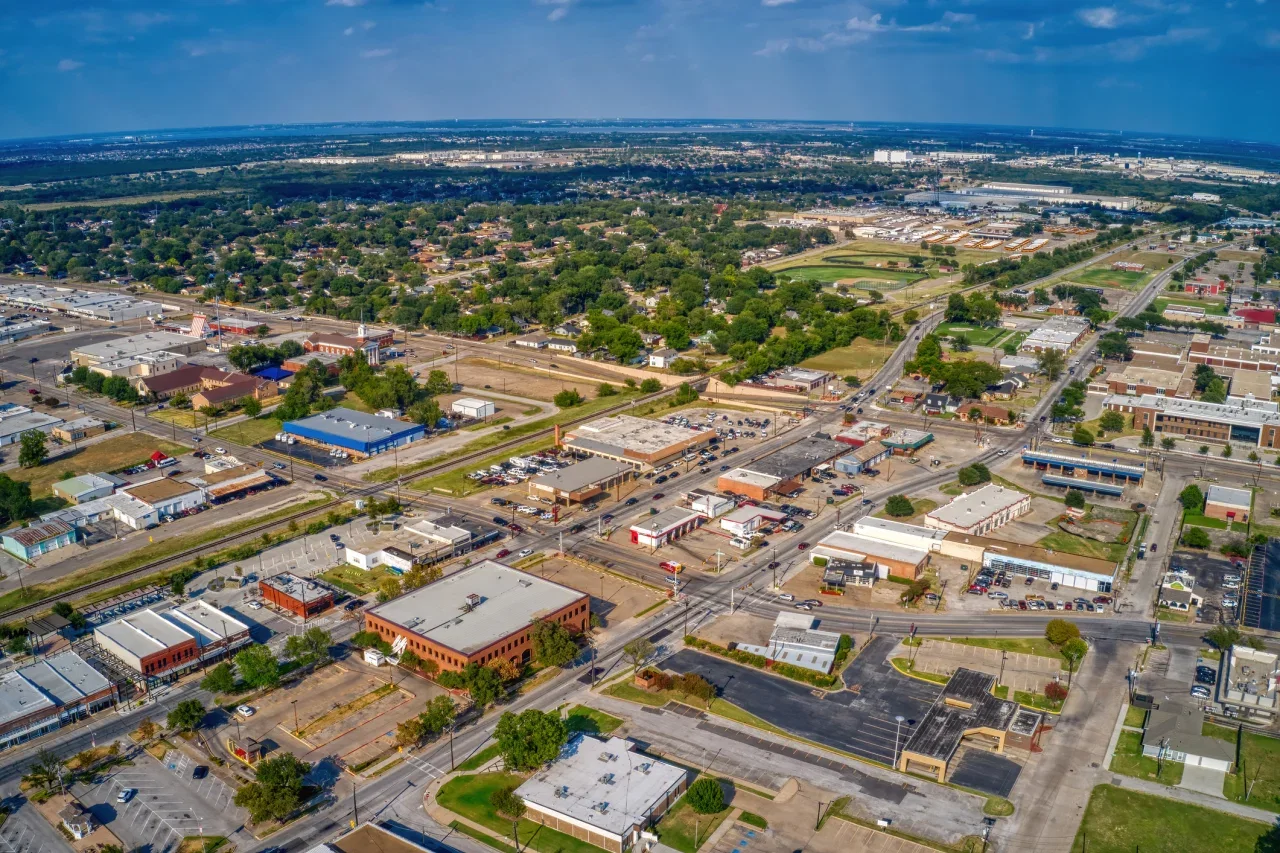
Mesquite Trade Show Display Rental visual for Trade Show Display Rental of Dallas
Location

Mesquite Position Within the Dallas-Fort Worth Event Landscape

The Dallas-Fort Worth region encompasses multiple distinct venue clusters that collectively drive demand for exhibits, conferences, and industry activations. Mesquite's location in the eastern sector connects efficiently to these clusters, allowing organizations to evaluate opportunities at downtown Dallas facilities, northern suburban centers, and specialized markets without defaulting to a single hub.

This suburban perspective encourages comprehensive planning that accounts for variations in show schedules, attendee profiles, and operational rules across the metroplex. Recommended locations throughout the region, including Mesquite alongside Garland, Rockwall, and Lancaster, reflect the realistic capacity of secondary municipalities to support buyer demand related to trade show coordination and Install and Dismantle activities.

Successful programs originating from Mesquite prioritize early evaluation of venue-specific documentation and service partner directories to ensure smooth integration with established DFW processes.

  • Downtown Dallas cluster featuring large-scale convention infrastructure
  • Eastern suburban nodes with proximity to major highway networks
  • Northern clusters in Frisco and Plano with technology and corporate focus
  • Western and southern venues in Fort Worth, Arlington, and Irving offering specialized hospitality and sports-adjacent opportunities
  • Secondary markets supporting overflow and niche activations

Kay Bailey Hutchison Convention Center Dallas Coordination

The Kay Bailey Hutchison Convention Center serves as a cornerstone venue for large-scale trade shows and conferences in the DFW area. Planning guidance for Mesquite exhibitors emphasize thorough review of exhibitor guidelines, including material handling procedures, utility provisions, and dock access protocols to prevent delays during move-in and move-out phases.

Venue rules outline expectations for exhibitors, recommended service partners, and technical specifications that inform exhibit design and program budgeting. Coordination efforts focus on aligning shipment timelines with published dock schedules and understanding the facility's approach to utilities such as electrical, internet, and plumbing services.

Exhibitors benefit from early engagement with the center's service partner network, which streamlines procurement of labor, rigging, and specialized equipment while maintaining compliance with all posted regulations.

From a Mesquite base, the planning process incorporates buffer time for regional transportation variables that may influence delivery windows at the convention center's loading facilities.

  • Review exhibitor What to Expect documentation prior to show selection
  • Map utility requirements against official facility specifications
  • Schedule shipments under published dock and hall access rules
  • Identify authorized service partners listed in venue directories
  • Prepare for material handling protocols specific to the center

Supporting Venues Across the Metroplex

Beyond the primary convention center, the DFW region includes targeted facilities such as Dallas Market Hall and the Fashion Industry Gallery, each serving distinct industry segments with specialized exhibit and display requirements. These venues contribute to the overall market diversity that Mesquite organizations can leverage for targeted activations and product launches.

Dallas Market Hall accommodates a range of consumer and wholesale events, necessitating planning that addresses its unique floor plans and setup parameters. Similarly, the Fashion Industry Gallery supports more intimate, design-focused presentations that call for precision in exhibit scaling and lighting coordination.

Irving, Arlington, and Frisco maintain their own venue portfolios that differ operationally from downtown Dallas. Event planning guides for these areas highlight hospitality infrastructure, corporate meeting spaces, and sports-adjacent facilities that expand options for Mesquite-based programs seeking alternatives to mega-convention formats.

Each cluster requires tailored preparation, from understanding Arlington's convention and tourism resources to aligning with Frisco's venue specifications for technology-forward events.

Logistics and Access Planning for Eastern Suburbs

Regional transportation networks play a central role in successful exhibit coordination for Mesquite companies. Planning focuses on major arteries that connect eastern suburbs to downtown Dallas, Irving, and points north, ensuring timely arrival of materials and personnel at selected venues.

Hotel partners such as the Omni Dallas provide additional context for exhibitor lodging and meeting strategies, particularly when events require multi-day presence at central locations. Integration of these elements into overall program timelines helps maintain efficiency across the planning lifecycle.

Access considerations extend to evaluation of freight routing, temporary storage options within the metroplex, and contingency measures for high-traffic periods associated with major shows. The goal remains consistent delivery of exhibits that meet both design objectives and venue compliance standards.

practical coordination resources stress documentation of all logistics decisions against official venue publications to reduce variables during execution phases.

  • Map primary routes to key convention center docks and entrances
  • Incorporate hotel and hospitality resources into multi-day event plans
  • Align shipment schedules with published venue load-in windows
  • Document all logistics decisions against facility guidelines
  • Prepare alternative routing options for peak event seasons

Service Partner Ecosystems and Operational Alignment

The Dallas-Fort Worth market maintains an established network of service partners that support exhibitors across all major venues. Planning from Mesquite involves careful assessment of these partners' capabilities in relation to specific show requirements, venue rules, and program scale.

Directories provided by facilities like the Kay Bailey Hutchison Convention Center identify authorized providers for rigging, electrical, internet, and material handling services. Understanding the scope and limitations of these partnerships enables more accurate budgeting and timeline development.

Operational contexts vary significantly between clusters. Downtown Dallas emphasizes large-scale infrastructure support while northern and western venues may prioritize specialized technical services or hospitality integrations. Mesquite planners must map these differences during initial strategy sessions.

Effective coordination treats service partner selection as an extension of overall exhibit strategy rather than an afterthought, ensuring all elements align with the distinct operational realities of the chosen venue.

Program Development and Measurement Best Practices

Successful trade show participation from Mesquite begins with clear objective setting tailored to the selected DFW venue cluster and audience demographics. This foundational step informs subsequent decisions regarding exhibit design, messaging, staffing, and post-event follow-up protocols.

Budget frameworks should account for variations in transportation costs, utility fees, and service partner rates that differ across the region. Regular reference to official planning guides from Irving, Arlington, and Frisco helps refine these projections with market-specific insights.

Measurement focuses on both quantitative metrics, such as lead volume and engagement rates, and qualitative outcomes related to brand positioning within the competitive DFW landscape. Post-event reviews incorporate lessons from dock procedures, utility performance, and overall logistical efficiency to strengthen future programs.

Long-term planning guidance encourages viewing individual events as components of a sustained regional presence, with each activation building upon documented experiences at venues throughout Dallas, Fort Worth, and surrounding municipalities.

  • Define measurable objectives prior to venue selection
  • Build budgets with line items for cluster-specific variables
  • Document logistical outcomes for continuous improvement
  • Integrate findings from multiple DFW event cycles
  • Align exhibit elements with documented venue technical standards

Buyer questions

Trade Show Exhibit Planning for Mesquite, TX

How does Mesquite fit into broader Dallas-Fort Worth trade show strategies?

Mesquite serves as a strategic suburban base that connects to multiple DFW venue clusters, supporting coordinated planning for events at the Kay Bailey Hutchison Convention Center, Dallas Market Hall, and facilities in Irving, Arlington, Frisco, and other municipalities.

What are the primary venues recommended for exhibitors accessible from Mesquite?

Key venues include the Kay Bailey Hutchison Convention Center Dallas for large-scale events, Dallas Market Hall for industry-specific shows, and specialized facilities across Arlington, Irving, Plano, Frisco, and Grapevine, each with distinct operational requirements.

What documentation should Mesquite exhibitors review before planning?

Exhibitors should consult official resources including the Kay Bailey Hutchison Convention Center exhibitor guidelines, service partner directories, utility specifications, dock schedules, and event planning guides for Irving, Arlington, and Frisco.

How do operational contexts differ across DFW venue clusters?

Downtown Dallas emphasizes large-scale logistics and utilities, while clusters in Frisco and Plano focus on technology and corporate needs. Irving and Arlington offer distinct hospitality and tourism integrations, requiring tailored planning approaches for each.

What logistics factors matter most for eastern suburb exhibitors?

Coordination centers on alignment with published dock access times, utility requirements, authorized service partners, and regional transportation timing to ensure materials arrive efficiently at selected venues.

Project intake

Trade Show Display Rental of Dallas

Dallas trade show display rental planning shaped around venue rules, freight timing, and brand discipline.

Start Planning