Locations / Rockwall TX Exhibit Planning and DFW Trade Show Coordination

Rockwall TX Exhibit Planning and DFW Trade Show Coordination

practical guidance for Rockwall organizations coordinating exhibits, conferences, and activations across distinct Dallas-Fort Worth venue clusters.

Planning focusMapping programs to distinct DFW venue clusters
Local requirementCompliance with official service partner lists
Execution detailAdvance utility and electrical ordering procedures
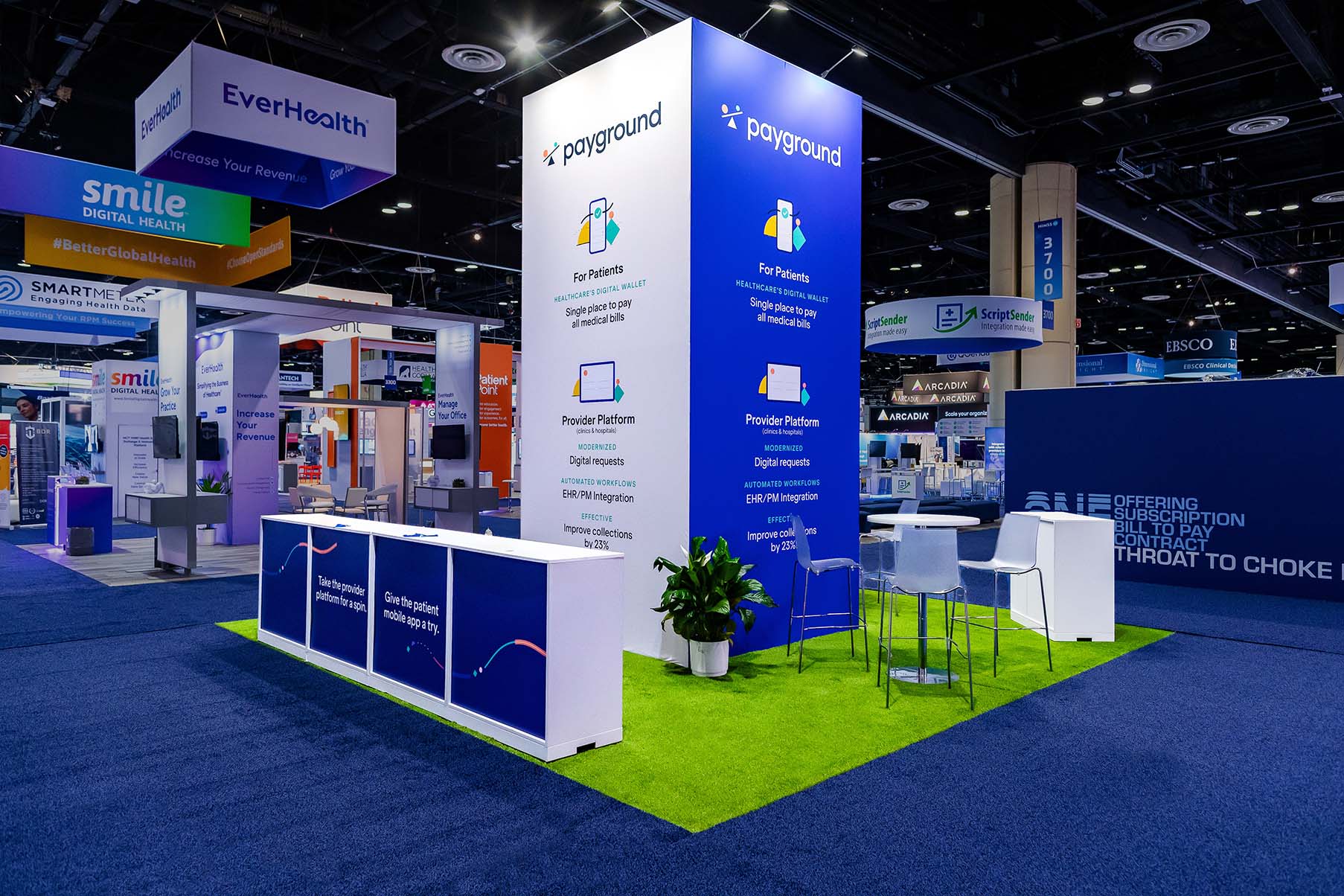
Rockwall Trade Show Display Rental visual for Trade Show Display Rental of Dallas
Location

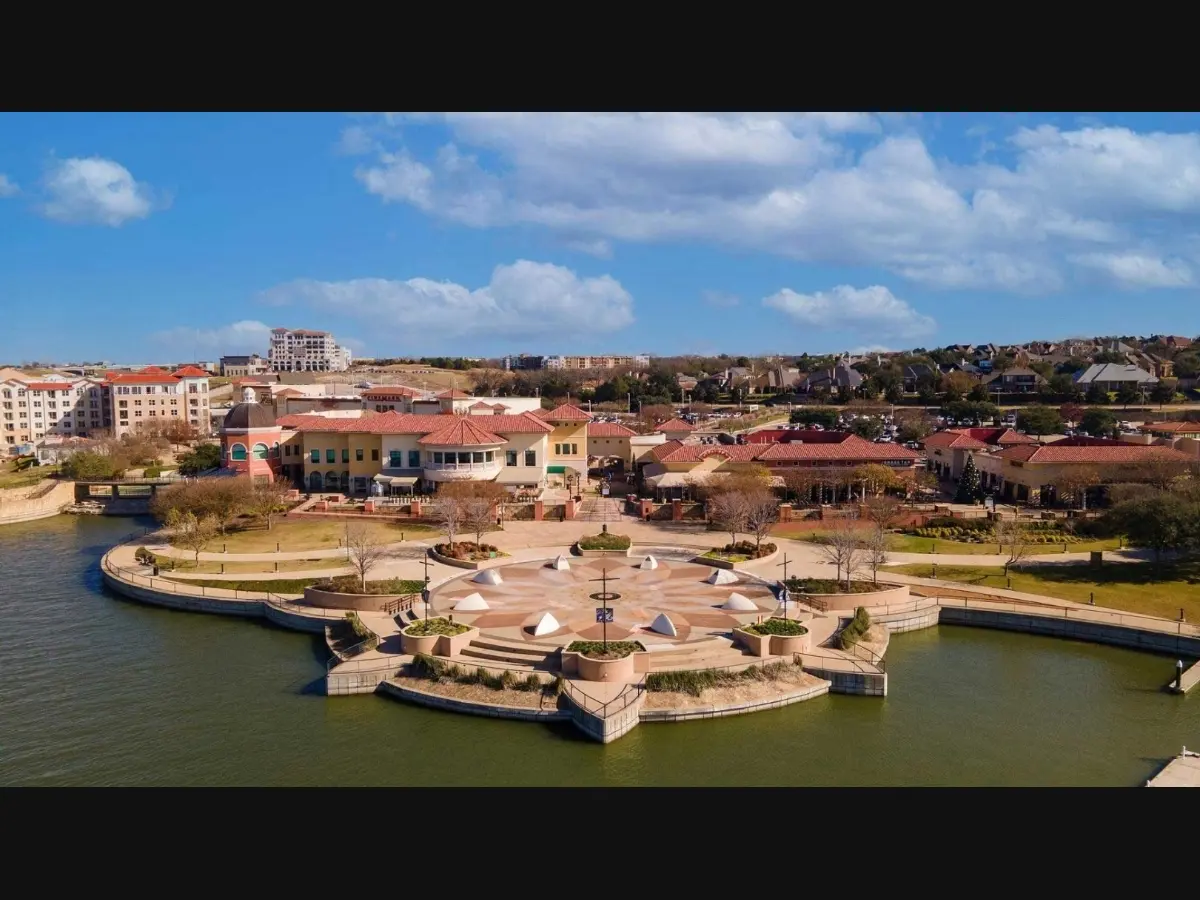
Rockwall Position Within the DFW Events Framework

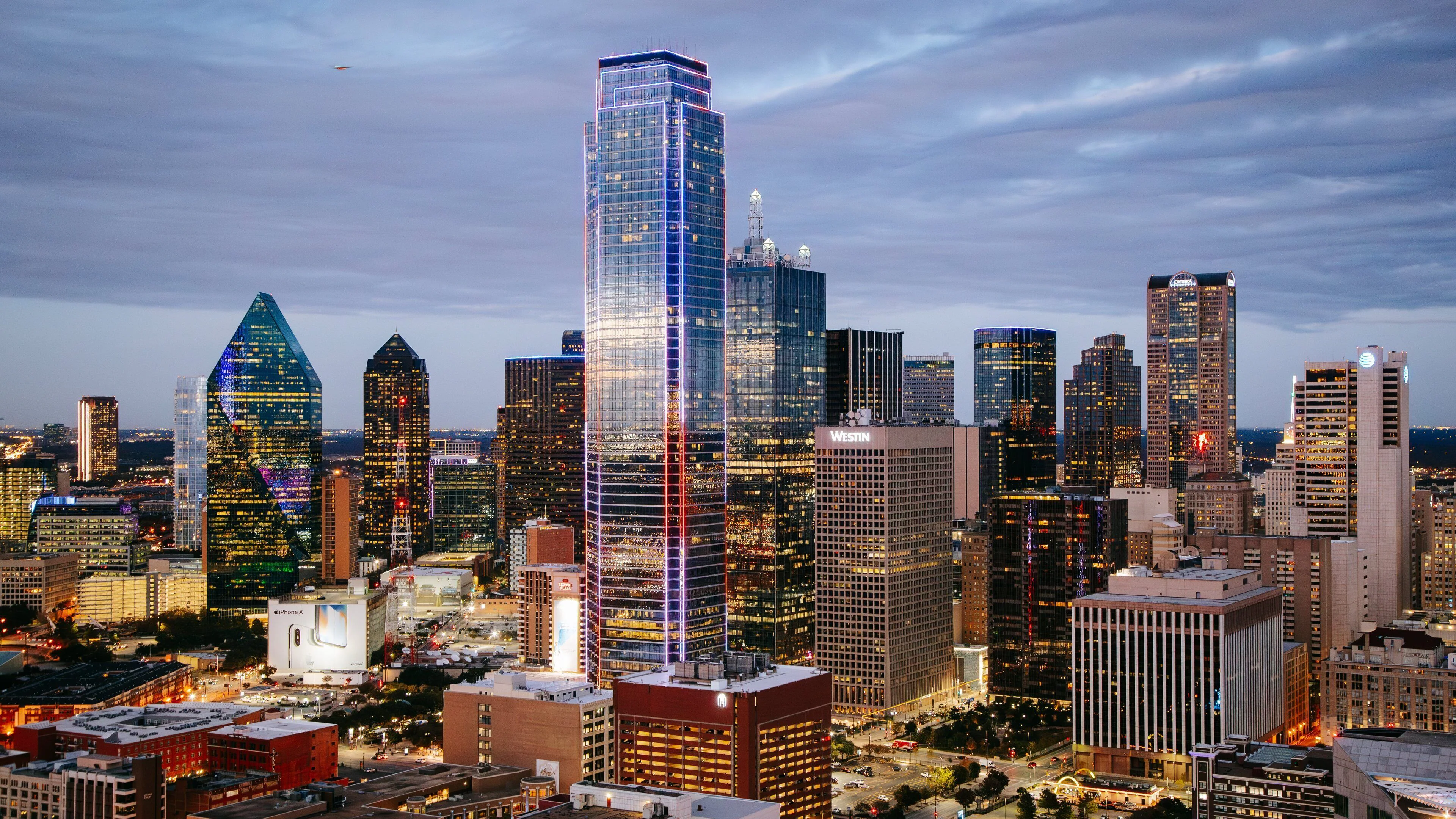
As one of numerous suburban communities surrounding the core DFW market, Rockwall contributes to the regional demand for professional exhibits and trade show participation. The city connects to primary corridors that feed major convention centers, hotel conference facilities, and specialized exhibition halls. Planning from this base involves recognizing that the heaviest lift occurs at established venues rather than localized infrastructure.

Recommended coordination begins by categorizing target events under their host cluster. Downtown Dallas handles the largest scale conventions with comprehensive infrastructure. Surrounding nodes such as Irving, Arlington, and Grapevine offer differentiated experiences formed by airport access, sports adjacency, or hospitality concentration. Northern areas including Frisco and Plano continue to develop dedicated meeting venues suited to technology-driven and consumer-facing programs.

Early venue selection drives all subsequent decisions on exhibit scale, material transport, and partner engagement. Official planning guides published by Irving, Arlington, and Frisco supply foundational details that inform these choices and reduce misalignment during execution phases.

  • Dallas as primary large-scale convention hub
  • Irving for airport-proximate corporate events
  • Arlington integration with entertainment districts
  • Frisco focus on modern sports and tech venues
  • Grapevine and Addison hospitality emphasis
  • Plano and Richardson for corporate corridor programs

Kay Bailey Hutchison Convention Center Operational Planning

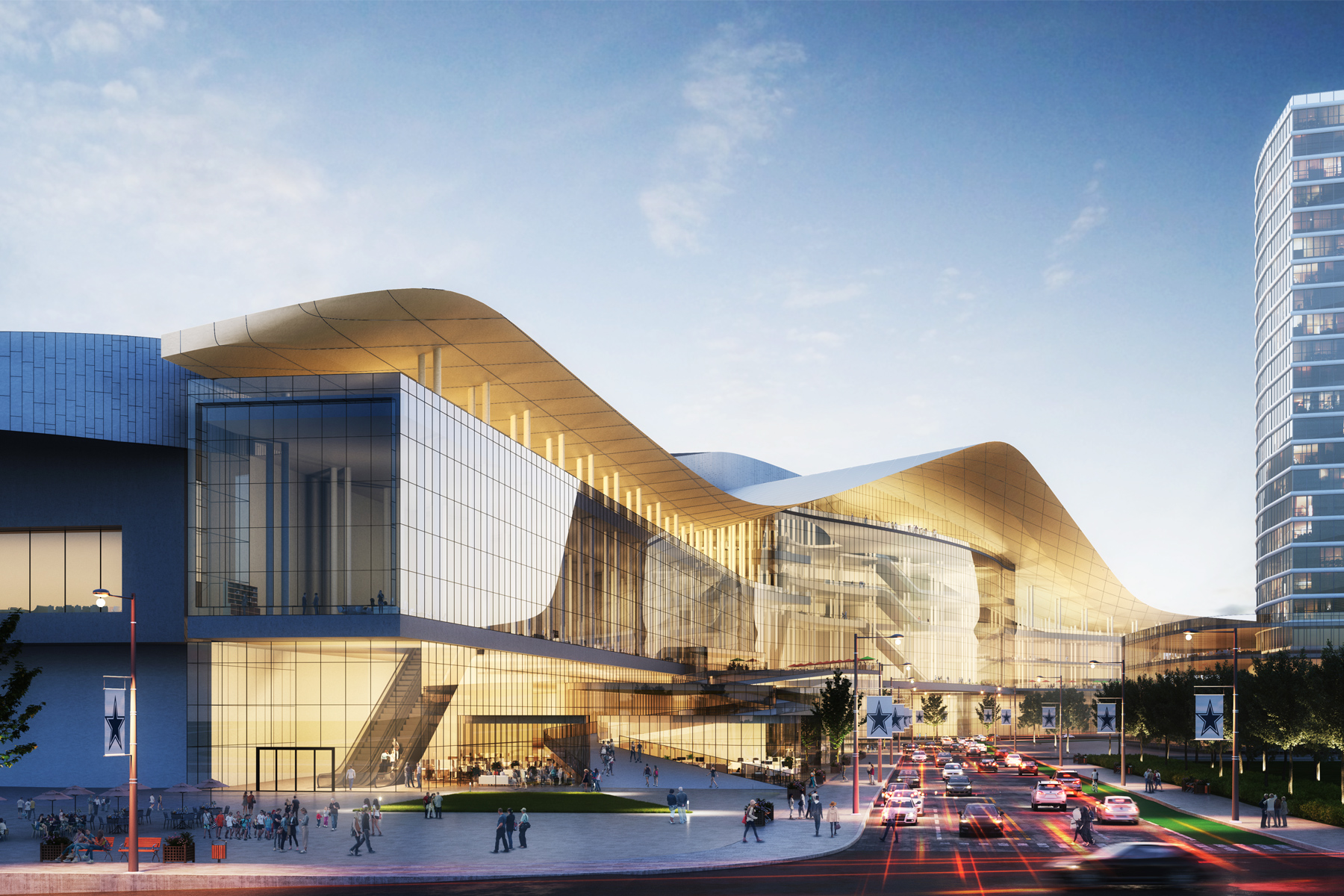
The Kay Bailey Hutchison Convention Center remains the flagship facility for major trade shows in downtown Dallas. Exhibitor resources detail expectations for move-in, show operations, and dismantle, providing essential reference points for Rockwall organizations preparing large-scale programs. These materials emphasize adherence to published timelines to maintain smooth facility flow.

Service partners officially recognized by the center manage critical functions including electrical distribution, internet services, rigging, and labor coordination. Selection from this approved roster ensures compliance with center-specific regulations and avoids unauthorized vendor conflicts. Documentation covering utilities outlines available amperage options, ordering deadlines, and connection standards that must be addressed weeks in advance.

Dock and loading procedures receive particular attention due to the volume of freight associated with downtown events. The center maintains dedicated resources explaining door assignments, staging areas, and scheduling windows. Rockwall exhibitors benefit from incorporating these constraints into overall project calendars to prevent bottlenecks during peak arrival periods.

  • Consult official exhibitor expectation guides
  • Utilize listed service partners exclusively
  • Order utilities through approved channels
  • Adhere to published dock door schedules
  • Prepare documentation for freight tracking

Irving Airport Corridor Event Coordination

Irving functions as a key meeting and convention destination strengthened by immediate DFW Airport access. The city’s event planning guide supplies structured recommendations for organizers and exhibitors, highlighting available facilities, hospitality options, and logistical considerations unique to the airport environment. This corridor often supports mid-sized corporate events and association gatherings that benefit from reduced travel friction for Out of Town attendees.

Operational contexts in Irving diverge from downtown Dallas in areas such as transportation sequencing and preferred material routing. Planners must account for airport security perimeters, hotel shuttle patterns, and venue-specific load-in procedures when developing schedules. The guide addresses these variables to help exhibitors anticipate realistic timelines from suburban departure points like Rockwall.

Successful programs in this cluster integrate exhibit components with surrounding hotel and conference infrastructure. Advance review of the planning documentation helps align booth specifications, audiovisual needs, and staffing plans with Irving’s documented best practices.

Arlington Meetings, Conventions, and Entertainment Integration

Arlington has cultivated a meetings profile centered on its concentration of professional sports venues, theme parks, and dedicated convention facilities. Resources from the city’s convention authority outline opportunities for exhibits that extend beyond static displays to incorporate experiential elements tied to the destination’s entertainment identity. This approach appeals to consumer-facing brands and organizations seeking higher engagement metrics.

Planning considerations here include synchronization with game schedules, parking logistics, and multi-venue attendee movement. Unlike pure convention-center environments, Arlington programs frequently require coordination between exhibit halls and adjacent attractions. Official convention materials provide overviews of these dynamics to support realistic budgeting and timeline development.

For Rockwall-based teams, attention to Eastern to Western transit patterns within the metroplex helps establish appropriate advance shipping buffers. The distinct character of Arlington events rewards early alignment with published planning references.

  • Leverage sports and entertainment adjacency
  • Design for experiential attendee engagement
  • Coordinate across multiple nearby facilities
  • Align with published convention timelines

Frisco and Northern Suburban Venue Landscape

Frisco represents one of the faster-evolving segments of the DFW meetings market, featuring contemporary venues tailored to technology, lifestyle, and sports-related events. The city’s dedicated venues overview details facilities equipped for both intimate corporate gatherings and larger consumer exhibitions. These spaces often feature different spatial configurations and technical capabilities compared to traditional downtown convention halls.

Coordination from Rockwall to the northern corridor requires awareness of regional traffic corridors and venue-specific access points. Official resources help planners establish appropriate lead times for freight movement and installation windows. Differences in material handling rules and preferred service providers further distinguish Frisco programs from those in Irving or Arlington.

Longer-term exhibit strategies frequently incorporate Frisco as a complementary touchpoint to larger Dallas shows. Flexible designs that adapt to varying ceiling heights, floor loads, and power configurations deliver cost efficiencies across multiple northern and central venues.

Specialty Venues and Hotel-Based Activations

Beyond primary convention centers, DFW offers targeted facilities including Dallas Market Hall and the Fashion Industry Gallery. These venues support industry-specific trade events with their own operational parameters, often emphasizing particular categories such as apparel, home furnishings, or niche manufacturing. Planning documentation for these locations highlights unique load-in procedures and exhibitor services distinct from larger halls.

Hotel venues like the Omni Dallas provide additional options for smaller-scale exhibits, product launches, and executive meetings. These environments prioritize smooth integration with guest traffic, security protocols, and foodservice operations. Coordination involves tighter timelines and more constrained material movement compared to dedicated exhibition facilities.

Rockwall organizations benefit from evaluating these specialized options when audience size or event objectives do not require full convention-center scale. Cross-referencing official venue directories ensures selection of the most appropriate setting while maintaining compliance with each location’s published standards.

  • Dallas Market Hall for category-specific trade
  • Fashion Industry Gallery for targeted segments
  • Omni Dallas for integrated hotel activations
  • Attention to guest flow and security needs

Service Partner Selection and Logistics Frameworks

Every major DFW venue maintains an approved service partner ecosystem responsible for electrical, rigging, internet, and related functions. These rosters exist to uphold safety, efficiency, and regulatory standards across the facility. Rockwall planners should reference the latest partner lists published by each target venue rather than assuming universal applicability.

Logistics planning encompasses freight routing, labeling standards, advance warehouse options, and on-site storage limitations. The Kay Bailey Hutchison Convention Center, for example, publishes explicit dock procedures and scheduling mechanisms that directly influence outbound coordination. Similar documentation exists across Irving, Arlington, and Frisco venues, though the specifics vary.

Incorporating these requirements during initial budgeting prevents downstream cost overruns. Experienced coordination helps translate venue-specific rules into actionable calendars that accommodate Rockwall departure logistics without compromising show readiness.

Developing Integrated DFW Exhibit Strategies

Organizations based in Rockwall often maintain year-round presence across multiple DFW clusters. A unified planning approach allows consistent brand messaging while adapting to the operational realities of each venue type. This includes modular exhibit components capable of reconfiguration for differing floor plans, power specifications, and audience densities.

Timeline development must incorporate buffers for Suburban to Venue transit, potential weather variables, and venue-specific advance deadlines. Regular consultation of updated resources from the Dallas Convention Center, Visit Irving, Arlington.org, and Visit Frisco keeps programs aligned with evolving facility standards and service offerings.

Effective coordination also addresses cumulative budgeting across a regional schedule. By mapping all anticipated events against their respective venue rules, planners can identify efficiencies in design reuse, shared shipping routes, and consolidated partner relationships. The result is a more predictable and impactful presence throughout the Dallas-Fort Worth market.

Buyer questions

Rockwall TX Exhibit Planning and DFW Trade Show Coordination

Does Rockwall host major trade show venues directly?

Rockwall operates primarily as a suburban support community within the larger DFW ecosystem. Major trade shows and conventions are concentrated in facilities located in Dallas, Irving, Arlington, Frisco, and neighboring cities.

How should Rockwall organizations select appropriate DFW venues?

Venue selection depends on event scale, audience demographics, and program objectives. Official resources such as the Irving Event Planning Guide, Arlington meetings portal, Frisco venues directory, and Dallas Convention Center documentation provide detailed criteria for matching needs to locations.

What role do official service partners play at DFW convention centers?

Approved service partners listed by each venue handle electrical, rigging, internet, and related services under facility regulations. Using these partners ensures compliance and avoids conflicts with venue policies.

Why do logistics requirements differ across DFW clusters?

Each cluster maintains distinct dock procedures, utility ordering processes, and material handling rules formed by facility design, location, and typical event volume. Suburban origins like Rockwall require additional scheduling consideration to align with these variations.

Where can planners find the most current DFW venue information?

Primary planning guidance include the Kay Bailey Hutchison Convention Center exhibitor guidance covering service partners, utilities, and docks, along with market-specific guides from Irving, Arlington, and Frisco tourism and convention authorities.

How far ahead should coordination begin for multi-venue DFW programs?

Complex programs spanning several clusters benefit from planning commencing six to twelve months prior, allowing sufficient time for venue-specific documentation review, partner selection, and freight scheduling.

Project intake

Trade Show Display Rental of Dallas

Dallas trade show display rental planning shaped around venue rules, freight timing, and brand discipline.

Start Planning