Services / Dallas Convention Services Planning Guide

Dallas Convention Services Planning Guide

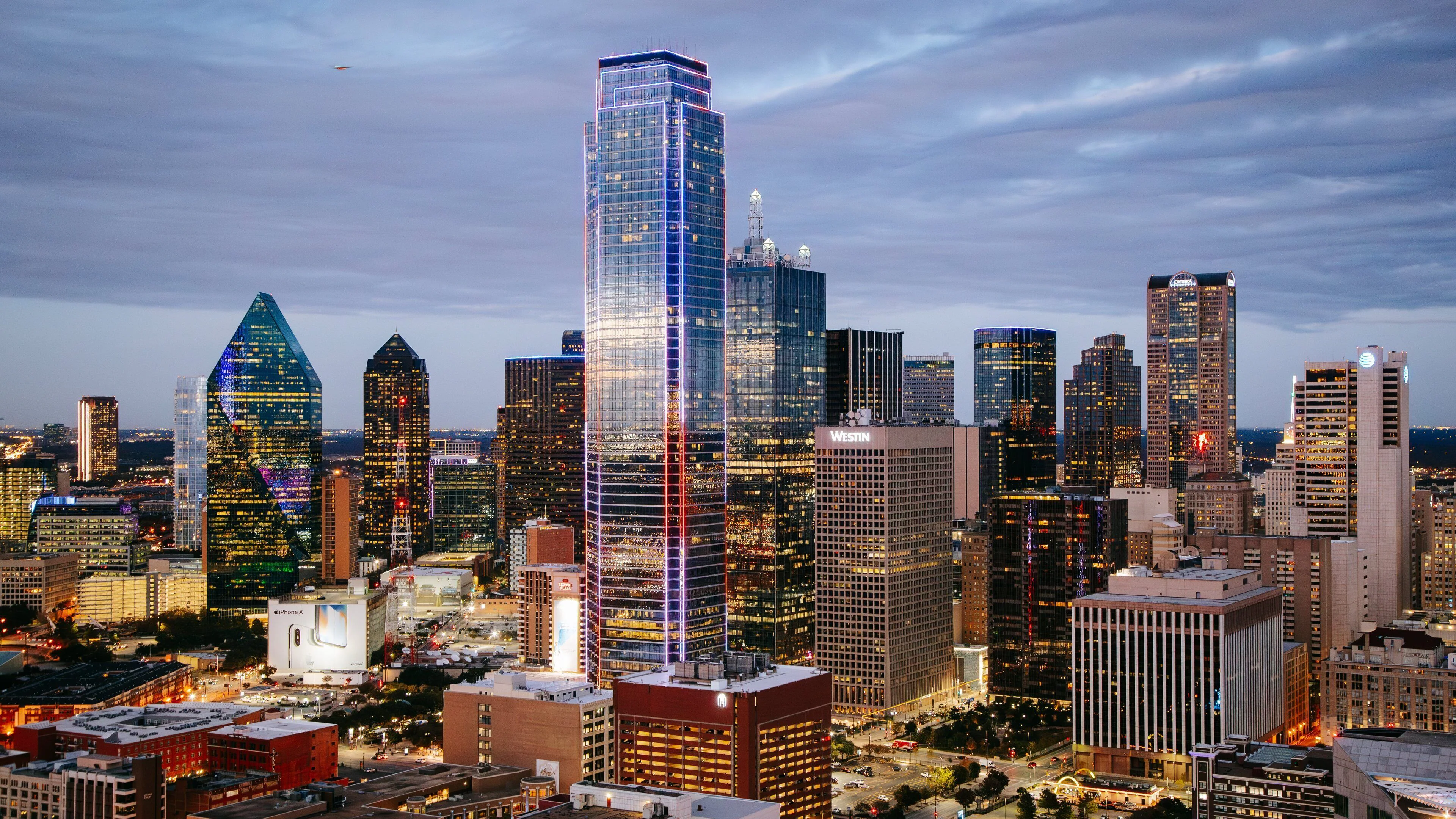
Coordinating convention services across Dallas-Fort Worth venues demands precise attention to venue-specific protocols at facilities like the Kay Bailey Hutchison Convention Center Dallas, Dallas Market Hall, Fashion Industry Gallery, Omni Dallas Hotel, and Hyatt Regency Dallas, ensuring exhibits integrate smoothly into large-scale events without disruptions.

Planning focusFreight and dock access protocols at major convention centers
Local requirementUtility ordering timelines and power configurations for booths
Execution detailCompliance with designated service partners and contractors
Turnkey Trade Show Services in Dallas, TX visual for Trade Show Display Rental of Dallas
Service

Service Partner Requirements at Kay Bailey Hutchison Convention Center Dallas

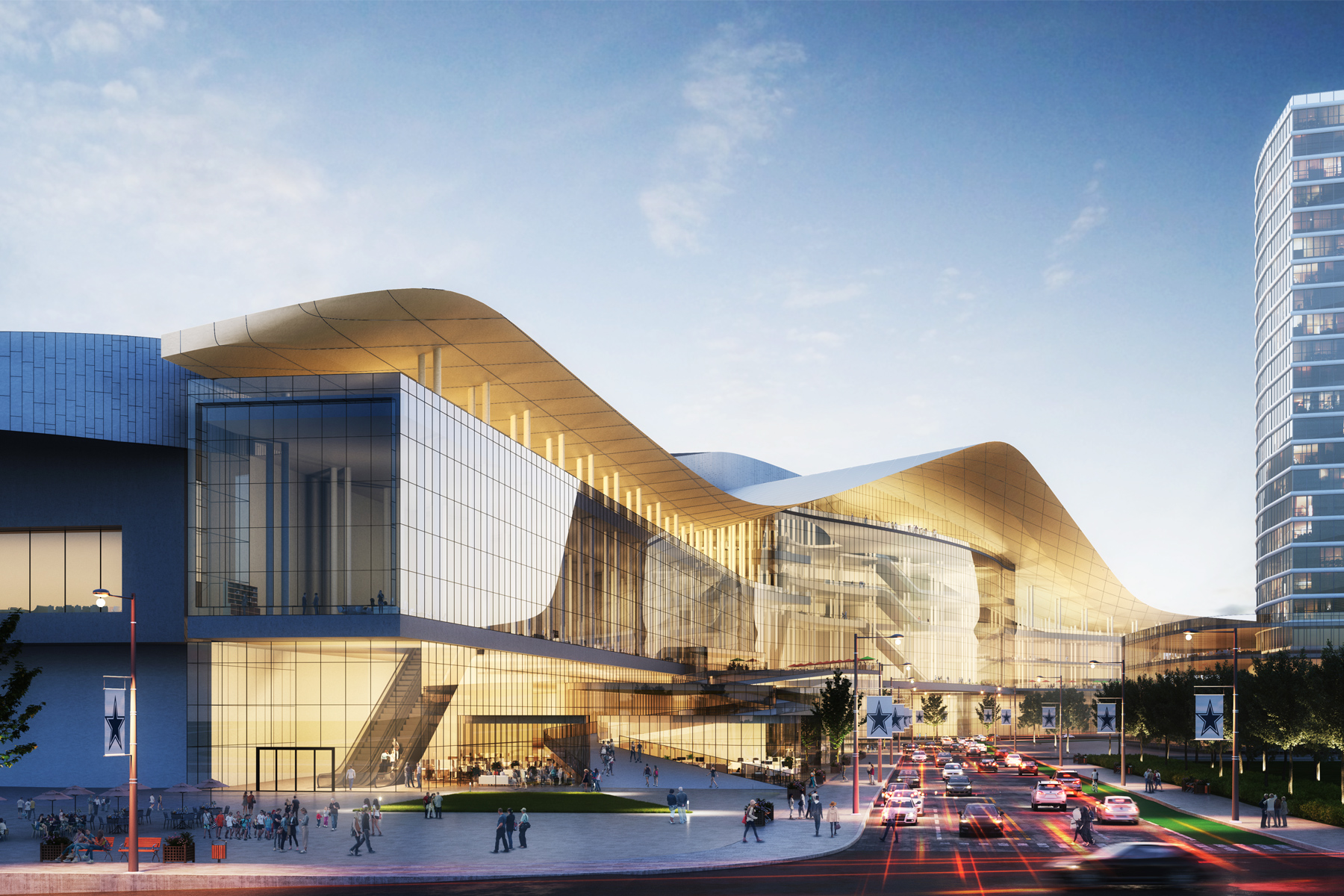
The Kay Bailey Hutchison Convention Center Dallas mandates structured engagement with designated service partners for key convention services, as outlined in their official exhibitor resources, ensuring that all labor-intensive tasks like rigging, electrical work, and plumbing adhere to facility-approved providers. Planners coordinating convention services here begin by reviewing the service partners directory well in advance, mapping out which elements of booth setup—such as carpet installation, signage erection, or audiovisual integration—fall under exclusive contracts versus those permitting exhibitor-appointed contractors. This delineation prevents on-site rejections, where unauthorized personnel could face removal, disrupting the entire installation timeline during peak move-in periods when multiple conventions overlap.

Exhibit teams planning convention services must also factor in the center's emphasis on pre-event ordering for services like internet connectivity and telecommunications, which require submissions through specific portals tied to approved vendors. For larger conventions filling the center's 1 million square feet of exhibit space, this means synchronizing service requests across general session areas, registration zones, and concurrent breakout rooms, all while anticipating peak demand surges that can extend lead times for fulfillment. The result is a layered coordination approach that prioritizes documentation submission dates, often 30 to 60 days prior, to secure slots in the service queue without compromising booth readiness on opening day.

Beyond initial setup, convention services at this venue extend to ongoing support throughout the event, including daily maintenance checks and adjustments to handle Texas weather variability affecting HVAC demands in open hall configurations. Dismantle phases demand equally rigorous planning, with strict adherence to published move-out protocols to clear spaces promptly for the next event, underscoring the venue's role as a high-turnover hub for national conventions.

Exhibit Logistics at Dallas Market Hall and Fashion Industry Gallery

Dallas Market Hall serves as a dedicated exhibition hall for trade events like apparel markets and gift shows, where convention services planning centers on its expansive single-level floorplan optimized for high-volume freight handling without the multi-level constraints of larger centers. Teams coordinate services by aligning load-in with the hall's designated truck routes and bay access, ensuring that modular booth components arrive sequenced to match assembly priorities amid simultaneous market weeks that pack the 400,000 Square Foot space. This venue's operational rhythm requires pre-planned service manifests detailing crate dimensions and weights to facilitate efficient unloading during compressed setup windows typical of Weekend to Weekday transitions.

The Fashion Industry Gallery, positioned nearby, caters to specialized fashion conventions with its focused showroom layout, influencing convention services toward precise fixture placements and lighting arrays that highlight apparel displays. Service coordination here involves navigating narrower access corridors and elevation changes, prompting planners to specify low-profile equipment and hand-carried elements in advance orders to avoid bottlenecks during peak installation hours. Both venues share a Dallas-centric logistics ecosystem, where convention services integrate with broader Market Center operations, demanding cross-venue service syncing for hybrid events spanning multiple buildings.

For dismantle, convention services at these halls emphasize rapid clear-out to reset for the next market cycle, with services like trash removal and floor protection reinstatement handled through venue-guided channels. Planners benefit from detailing service scopes that account for high foot traffic residue and fixture disassembly, ensuring compliance with post-event inspections that verify space conditions before handover.

  • Sequence freight by booth zone to optimize bay usage
  • Pre-specify lighting and fixture needs for gallery aesthetics
  • Plan for market-week overlaps in service resource allocation

Convention Services in Dallas Convention Hotels

At the Omni Dallas Hotel, convention services adapt to its integrated convention facilities, including 50,000 square feet of ballrooms and meeting spaces connected to downtown access points, where planners must calibrate setups for hybrid exhibit-hospitality flows. Services here focus on coordinating with hotel engineering for power drops in prefunction areas and foyer exhibits, often requiring advance diagrams submitted through exhibitor portals to align with fire safety egress paths and load-bearing specifications. This setup is crucial for conventions blending keynote stages with perimeter booths, as service timelines compress around guest room blocks and food service interruptions.

The Hyatt Regency Dallas mirrors this model with its 65,000 square feet of event space across multiple towers, necessitating convention services that segment logistics by building wing to manage elevator freight capacities and service elevator exclusives during move-in. Planners detail service orders for audiovisual tie-ins between ballrooms and exhibit zones, ensuring smooth transitions for multi-day agendas packed with general sessions and networking receptions. Venue-specific rules guide everything from rigging points in ceilings to flooring protections over carpeted areas, preventing disputes during high-occupancy periods.

Hotel-based convention services culminate in dismantle phases synchronized with checkout rushes, where rapid service execution clears spaces for turnover. This demands pre-negotiated service windows, often starting immediately post-close, to maintain positive relations for future bookings in the competitive DFW hospitality landscape.

Dock and Freight Management for Conventions

Dock operations form the backbone of convention services at Dallas venues, with the Kay Bailey Hutchison Convention Center Dallas featuring multiple dedicated bays equipped for semi-truck access and cross-docking to streamline freight from regional hubs. Planners initiate services by reserving dock times through official channels, factoring in advance notice requirements that prioritize official contractors before exhibitor teams, especially for double-parked overflow during mega-conventions. This sequenced approach prevents gridlock, as incoming loads for 2,000-booth floors demand precise appointment scheduling tied to booth locations across exhibit halls a through F.

Smaller venues like Dallas Market Hall utilize ground-level loading zones with rollback door access, tailoring convention services to pallet jack movements and forklift exclusions in favor of manual handling for tight turns. Fashion Industry Gallery's service entry points similarly emphasize staged arrivals, where convention planners batch services to align with daily market rhythms, minimizing disruptions to ongoing buyer traffic. Across sites, freight manifests must include hazardous materials declarations and oversize permits, ensuring smooth progression from dock to booth site.

Post-delivery, convention services shift to internal distribution, navigating service corridors and freight elevators with weight limits posted per venue. Dismantle reverses this flow, with outbound scheduling critical to vacate docks before curfews, underscoring the need for mirrored planning on both ends of the event.

  • Submit dock reservations 45-90 days ahead for priority
  • Detail crate counts and dimensions in service orders
  • Coordinate with adjacent exhibitors for shared bay efficiency

Utilities Provisioning in Convention Environments

Utility services at the Kay Bailey Hutchison Convention Center Dallas operate on a pre-order model via exhibitor portals, where convention planners specify amperage, voltage, and location for hard-service drops like 208-volt three-phase power essential for interactive kiosks and video walls. Advance floorplans submitted with orders dictate Pipe and Drape integrations and cable runs, avoiding conflicts in densely packed halls where shared meter banks necessitate load balancing across rows. This foresight prevents mid-setup surcharges or outages during live demos, common pitfalls in convention settings with 24/7 power demands.

Dallas Market Hall and Fashion Industry Gallery utilities lean toward Plug and Play configurations suited to their market formats, with services planned around base floor outlets augmented by extension strategies compliant with NEC codes. Hotel venues like Omni Dallas and Hyatt Regency layer in dedicated circuits for ballroom exhibits, requiring convention services to map data lines alongside power for WiFi-heavy activations. Planners detail usage forecasts to scale services, from basic 20-amp circuits to dedicated HVAC tie-ins for climate-controlled displays.

Event-long monitoring and adjustments cap utility services, with convention teams prepared for incremental orders addressing spikes from added appliances. Dismantle includes meter reads and final bills, prompting accurate initial estimates to close out without discrepancies.

Installation and Dismantle Timelines Across DFW Venues

Convention services timelines at Kay Bailey Hutchison Convention Center Dallas adhere to published move-in/move-out schedules, often spanning 36-48 hours pre-open with tiered access for GC versus EAC teams, ensuring larger structures erect first to free circulation paths. Planners craft service Gantt charts syncing booth shell assembly, graphics application, and lighting tests within union jurisdictional windows, accounting for hall-wide sequencing that funnels from perimeter to islands. This methodical rollout mitigates last-minute scrambles as visitor previews loom.

Dallas Market Hall installations favor overnight shifts for minimal buyer interference, with convention services compressed into 24-hour cycles for quick-turn markets, emphasizing modular systems that dismantle in reverse order. Fashion Industry Gallery timelines mirror this agility, prioritizing fixture stability checks post-setup to withstand showroom pacing. Hotels enforce quieter hours, segmenting services into pre-dawn and post-midnight slots around F&B.

Dismantle urgency peaks universally, with convention services racing venue curfews—midnight at centers, earlier in hotels—to palletize and outbound freight, preserving deposits and eligibility for repeat slots in the DFW calendar.

  • Build in 20% buffer for sequencing delays
  • Prioritize structural elements in move-in
  • Tag all components for dismantle reverse-engineering

Coordinating EAC and GC Roles in Conventions

Exhibitor-Appointed Contractor services complement General Contractor frameworks at Dallas venues, with Kay Bailey Hutchison Convention Center Dallas permitting EAC for non-exclusive tasks like booth finishing while reserving specialties for GCs. Convention planners delineate scopes in service contracts, submitting EAC credentials via exhibitor dashboards to gain badge access, crucial for self-managing teams in cost-sensitive setups. This hybrid model optimizes budgets amid GC markups on labor pools.

In Market Hall and Gallery settings, EAC dominance suits boutique conventions, where services focus on tenant-specific customizations without overarching GC oversight. Hotels blend EAC flexibility with house GC mandates for structural mods, demanding service proposals that clarify overlaps. Planners navigate this by early venue liaison, securing approvals that underpin smooth executions.

Buyer questions

Dallas Convention Services Planning Guide

What distinguishes convention services from standard trade show setups in Dallas?

Convention services address multi-day, high-attendance events at venues like Kay Bailey Hutchison Convention Center Dallas, incorporating extended utility runs, daily maintenance, and compliance with service partner lists beyond one-off booth installs.

How do dock reservations work for conventions at Dallas Market Hall?

Reservations align with market calendars, prioritizing sequenced freight for ground-level bays, with planners submitting manifests to coordinate amid overlapping shows.

Can exhibitors handle their own utilities at Omni Dallas Hotel?

Yes, via advance orders through exhibitor channels, specifying circuits for ballrooms while coordinating with hotel engineering for placements.

What timelines apply for dismantle at Fashion Industry Gallery?

Rapid post-market clear-outs within hours, focusing on fixture removal to reset for next buyers, per venue guidelines.

How does EAC coordination differ across DFW convention venues?

Varies by facility; centers like Kay Bailey Hutchison require pre-approvals, while halls permit broader EAC scopes for agile services.

Why plan utilities early for Hyatt Regency Dallas conventions?

To secure dedicated drops in segmented spaces, avoiding surges and ensuring data/power for hybrid exhibit agendas.

Project intake

Trade Show Display Rental of Dallas

Dallas trade show display rental planning shaped around venue rules, freight timing, and brand discipline.

Start Planning