Services / On-Site Show Supervision for Dallas Trade Shows

On-Site Show Supervision for Dallas Trade Shows

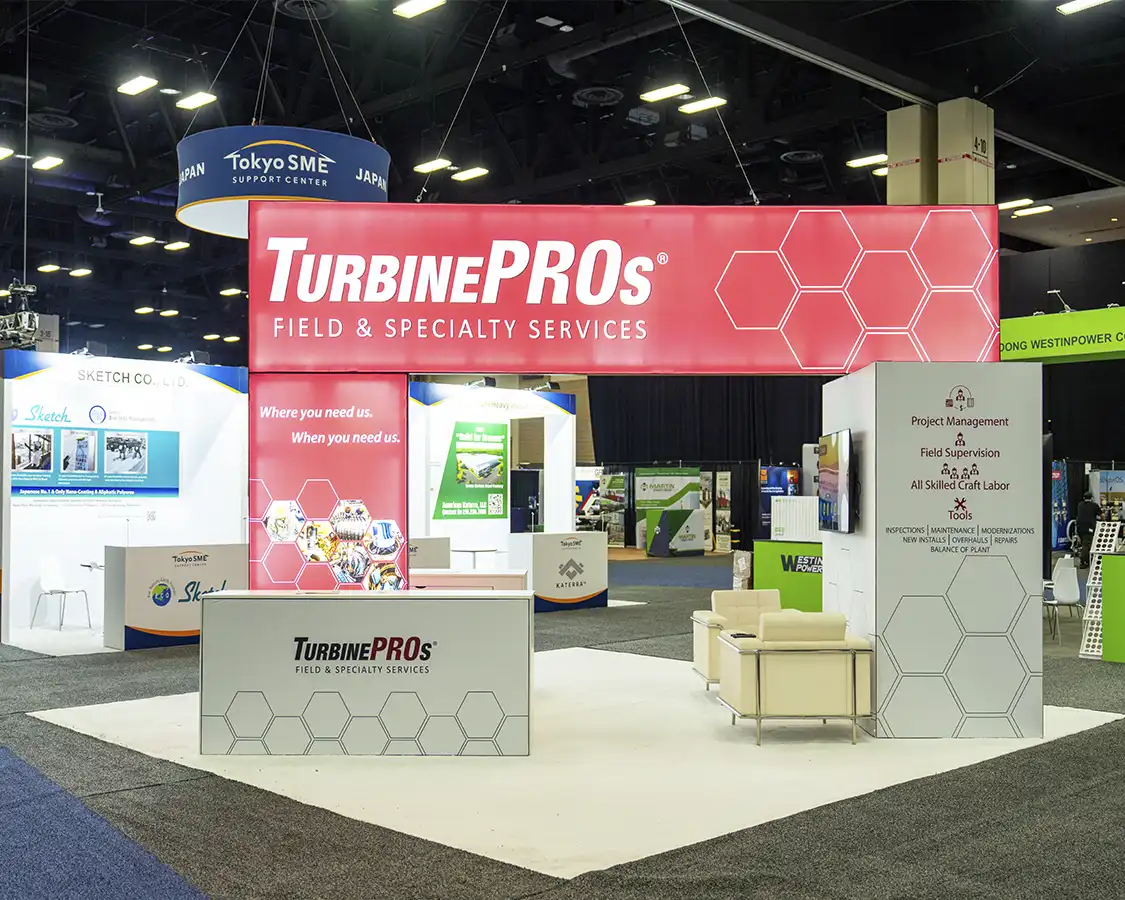
Professional on-site show supervision coordinates every phase of your exhibit presence at key Dallas venues, from setup through teardown, ensuring alignment with facility protocols and smooth operational flow.

Planning focusThorough pre-event site inspections to align booth plans with venue layouts
Local requirementReal-time management of installation and dismantle crews for timeline adherence
Execution detailOngoing liaison with venue operations for utilities and access compliance
Turnkey Trade Show Services in Dallas, TX visual for Trade Show Display Rental of Dallas
Service

Pre-Show Coordination and Venue Alignment

Before crews arrive at venues such as the Kay Bailey Hutchison Convention Center Dallas, on-site supervisors conduct comprehensive pre-event alignments to synchronize booth specifications with facility directives. This includes reviewing dock access protocols, where advance reservations are mandatory for efficient load-in, and confirming utility orders for power, internet, and compressed air as detailed in the convention center's exhibitor utilities guidelines. Supervisors verify that shipping manifests match venue receiving procedures, ensuring that crated elements arrive without delays that could cascade into installation setbacks.

Such preparation extends to mapping out booth footprints against hall diagrams, accounting for neighboring exhibits and emergency egress paths in spaces like Dallas Market Hall. By interfacing early with listed service partners at the Kay Bailey Hutchison Convention Center, supervisors preempt conflicts over shared resources, establishing clear communication channels that persist through the event. This foundational work positions the exhibit for a frictionless transition into active show phases, with all parties informed of timelines and responsibilities.

  • Confirm dock appointment slots based on booth size and arrival windows
  • Audit utility manifests against venue-approved vendors
  • Distribute venue-specific exhibitor manuals to all involved parties
  • Schedule joint walkthroughs with EAC and GC representatives

Installation Phase Oversight

During the installation phase at Dallas venues, supervisors maintain vigilant oversight to ensure crews execute assembly under engineered drawings while adhering to venue load-bearing and fire safety standards. At the Kay Bailey Hutchison Convention Center Dallas, this involves monitoring the transition from dock unloading through freight elevators to the show floor, where time-sensitive moves must align with designated move-in corridors to avoid penalties. Supervisors track progress against critical path schedules, intervening to reallocate resources if structural components or graphic panels encounter fit issues.

Coordination with on-floor personnel at facilities like the Fashion Industry Gallery focuses on precise placement of modular systems and interactive displays, ensuring integrations with venue-provided flooring and ceiling grids. Any deviations, such as adjustments for uneven surfaces or height restrictions, are documented and resolved on-site, preserving the booth's visual and functional integrity. This hands-on management prevents common pitfalls like incomplete rigging or misaligned lighting trusses that could compromise opening-day readiness.

Supervisors also enforce housekeeping protocols during setup, coordinating waste removal and securing workspaces to facilitate smooth handoffs to show operations. By the conclusion of installation, a full systems check confirms operational readiness, including audiovisual cues and power redundancy, tailored to the venue's electrical distribution maps.

Daily Show Floor Management

Once the show opens, on-site supervision shifts to daily floor management, circulating through high-traffic zones at venues like the Omni Dallas Hotel to monitor booth engagement and structural stability under visitor loads. Supervisors address minor wear, such as carpet matting or graphic fading from sunlight exposure in halls like Dallas Market Hall, arranging prompt touch-ups without interrupting traffic flow. They also oversee staff rotations and demo schedules, ensuring consistent messaging and product demonstrations align with event themes.

Interactions with attendees generate insights that supervisors relay to booth teams, optimizing lead capture and hospitality elements in real time. At convention hotels such as the Hyatt Regency Dallas, this includes managing peak-hour crowds around breakout session adjacencies, where noise levels and foot traffic demand adaptive positioning of demo areas. Supervisors maintain a log of visitor feedback and operational metrics, providing exhibitors with actionable data for mid-event refinements.

Venue compliance remains paramount, with supervisors verifying that temporary modifications, like added shelving or charging stations, conform to daily inspections by facility staff. This proactive stance sustains booth appeal across multi-day formats, mitigating fatigue factors that erode performance in extended shows.

  • Conduct hourly booth condition assessments
  • Facilitate quick repairs to demo equipment
  • Track attendee dwell times and engagement hotspots
  • Coordinate with security for high-value asset protection

Vendor and Service Partner Integration

Effective on-site supervision hinges on smooth integration with venue-designated service partners, as outlined for the Kay Bailey Hutchison Convention Center Dallas, where exhibitor-appointed contractors must collaborate with general contractors for shared services. Supervisors facilitate these partnerships by scheduling joint briefings on utility tie-ins and audiovisual routing, ensuring no overlaps in cable management or power draws that could trigger overloads. This coordination is vital in multi-hall setups, where resource allocation across exhibit spaces demands precise synchronization.

At specialized venues like the Fashion Industry Gallery, supervisors liaise with on-site AV providers to calibrate lighting and sound systems against booth aesthetics, adjusting for ambient conditions unique to fashion-forward events. They also manage freight forwarding handoffs during peak load-out periods, confirming that all materials are tagged per venue protocols before departure. Such integrations prevent bottlenecks, allowing exhibitors to focus on business development rather than logistical hurdles.

Supervisors document all vendor interactions, creating a audit trail that supports billing reconciliations and future planning. By nurturing these relationships, supervision enhances reliability for repeat engagements in the Dallas market's venue ecosystem.

Dismantle and Load-Out Supervision

The dismantle phase requires meticulous supervision to reverse installation processes efficiently within tight venue windows, particularly at the Kay Bailey Hutchison Convention Center Dallas, where load-out queues form rapidly post-event. Supervisors orchestrate deconstruction sequences, prioritizing fragile elements like truss systems and LED walls for safe disassembly, while crews pack under outbound shipping labels. They monitor compliance with dock protocols, ensuring forklifts and pallet jacks operate within marked zones to expedite clearances.

In hotel ballrooms like those at the Omni Dallas Hotel, supervision adapts to narrower access points, coordinating elevator usage and corridor staging to minimize disruptions to ongoing guest activities. Any on-site storage needs for advance shipments are reconfirmed, with supervisors verifying crate integrity before resealing. This phase culminates in a final venue walkthrough, confirming zero debris and restored floor conditions as per exhibitor responsibilities.

Post-load-out, supervisors compile comprehensive reports detailing timelines, incidents, and efficiencies, informing optimizations for subsequent events. This closure ensures accountability and positions exhibitors for streamlined returns to Dallas venues.

  • Enforce reverse critical path for dismantle order
  • Inspect packed crates for damage or missing components
  • Clear all utilities and cabling per venue checklists
  • Submit load-out completion forms to facility coordinators

Risk Mitigation and Contingency Measures

On-site supervisors embed risk mitigation into every shift, anticipating challenges like power fluctuations noted in Kay Bailey Hutchison Convention Center utilities guidelines by deploying backup generators and surge protectors. They prepare contingency plans for weather-impacted load-ins at outdoor-adjacent venues like Fair Park, securing tarps and rerouting paths as needed. Regular drills with booth staff cover scenarios from equipment failures to medical incidents, ensuring rapid responses that protect assets and personnel.

Documentation of venue-specific hazards, such as high winds affecting hanging signs in open halls like Dallas Market Hall, informs preemptive reinforcements. Supervisors maintain emergency contact trees linking EAC, GC, and venue ops, enabling swift escalations. This framework not only averts crises but also bolsters exhibitor insurance claims with detailed logs.

Through continuous environmental scans, supervisors adapt to evolving show dynamics, reallocating resources to hotspots and diffusing potential conflicts among neighboring booths. Such foresight sustains operational resilience across the event lifecycle.

Reporting and Post-Event Analysis

Comprehensive reporting forms the capstone of on-site supervision, capturing metrics from booth traffic at venues like the Hyatt Regency Dallas to utility consumption variances. Supervisors aggregate data on setup efficiencies, show-day uptime, and dismantle variances, benchmarking against initial plans for Dallas-specific insights. These reports highlight wins, like optimized dock usage, and areas for refinement, such as AV sync delays in multi-booth clusters.

Exhibitors receive tailored debriefs with photographic evidence, vendor invoices reconciled against service logs, and recommendations for future alignments with venue evolutions. This analytical depth transforms raw execution into strategic intelligence, elevating subsequent performances in the competitive DFW trade show landscape.

By quantifying supervision impacts, such as reduced downtime percentages, reports underscore the value of dedicated oversight in achieving ROI objectives amid venue-mandated constraints.

  • Compile performance dashboards with KPIs
  • Reconcile all service partner expenditures
  • Archive venue interaction logs for compliance

Adapting to Dallas Venue Diversity

Supervision tailors to the spectrum of Dallas venues, from the vast exhibit halls of the Kay Bailey Hutchison Convention Center to boutique spaces in the Fashion Industry Gallery, adjusting protocols for scale and audience profiles. In convention hotels like the Omni Dallas Hotel, focus shifts to hybrid event integrations, overseeing tech uplinks alongside physical setups. This versatility ensures uniform excellence across configurations.

At Irving Convention Center or Gaylord Texan, supervisors navigate suburban logistics, factoring longer hauls from DFW airport hubs into timelines. Venue-backed facts guide customizations, like specialized rigging in music-oriented spaces at Toyota Music Factory, maintaining exhibit standards without overreach.

Buyer questions

On-Site Show Supervision for Dallas Trade Shows

What does on-site show supervision cover at Dallas convention centers?

It encompasses oversight from load-in through load-out, including dock coordination, installation monitoring, daily operations, vendor liaisons, and compliance with venue protocols like those at the Kay Bailey Hutchison Convention Center Dallas.

How does supervision handle utility setups in Dallas venues?

Supervisors verify orders for power, data, and AV against exhibitor guidelines, coordinating with approved providers to ensure smooth integrations without disruptions during show hours.

What role does supervision play during dismantle at Dallas Market Hall?

It manages deconstruction sequencing, crate packing, and dock clearances within facility move-out windows, ensuring all elements are secured and debris removed per venue standards.

Can supervision address real-time issues at hotel venues like Omni Dallas?

Yes, it provides immediate resolutions for crowd management, equipment glitches, or layout tweaks, adapting to ballroom constraints and guest flow dynamics.

How is documentation handled in on-site supervision?

Supervisors maintain detailed logs of timelines, incidents, metrics, and interactions, delivering post-event reports for analysis and future planning.

What makes supervision essential for multi-day Dallas shows?

It sustains booth condition and performance over extended periods, mitigating wear, optimizing staff efforts, and ensuring ongoing venue compliance.

Project intake

Trade Show Display Rental of Dallas

Dallas trade show display rental planning shaped around venue rules, freight timing, and brand discipline.

Start Planning