Services / Sponsor Activation Buildouts for Dallas Trade Shows

Sponsor Activation Buildouts for Dallas Trade Shows

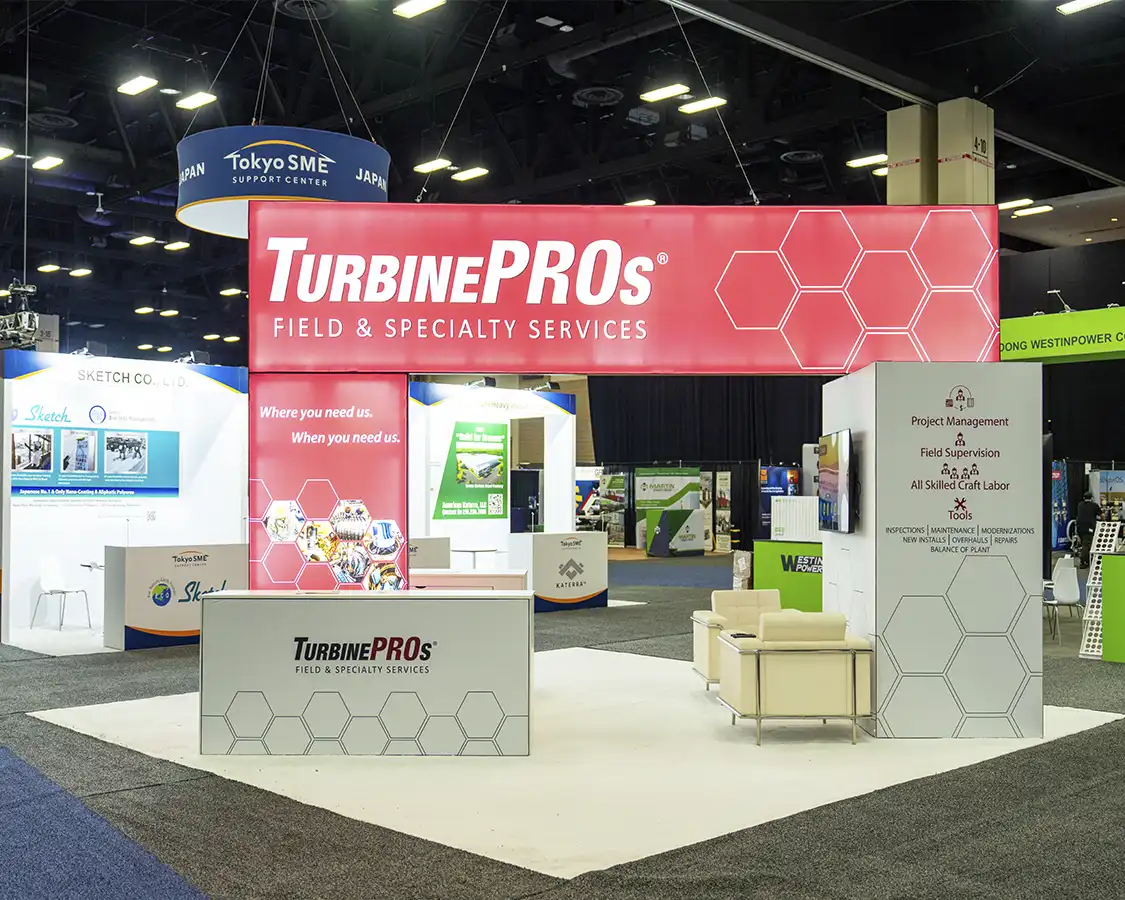
Elevate sponsor visibility through meticulously coordinated buildouts that turn static spaces into dynamic engagement hubs across Dallas convention venues.

Planning focusPre-event permitting alignment with venue service contractor lists
Local requirementFreight docking and material staging protocols
Execution detailUtility mapping for power, data, and lighting integration
Turnkey Trade Show Services in Dallas, TX visual for Trade Show Display Rental of Dallas
Service

Navigating Venue Permitting for Sponsor Activations

At the Kay Bailey Hutchison Convention Center Dallas, sponsor activation buildouts require submission of detailed plans to the venue's designated service partners well in advance, ensuring all structural and electrical components comply with established exhibitor protocols. Planners review the service partners directory to identify coordinators for general contracting, electrical services, and rigging, which form the backbone of any activation involving overhead elements or powered interactives. This step prevents delays during peak move-in periods when multiple exhibitors compete for approval slots.

Fashion Industry Gallery and Dallas Market Hall present distinct permitting nuances due to their specialized event formats, where buildouts often emphasize fashion-forward displays or market-style activations. Here, coordination focuses on space allocation that supports fluid attendee movement around sponsor zones, with plans incorporating lightweight frameworks to match the venues' emphasis on aesthetic flexibility. Advance filings cover everything from graphic panel installations to flooring treatments, aligning with venue rules that prioritize minimal permanent alterations.

  • Cross-reference activation blueprints against venue load charts
  • Secure Electrician of Record certifications for custom wiring
  • Schedule pre-buildout inspections for interactive kiosks

Freight Docking and Logistics Coordination

The Kay Bailey Hutchison Convention Center Dallas maintains specific dock assignments and freight handling procedures that dictate the timing and sequencing for sponsor activation materials, requiring planners to book slots based on shipment volumes and buildout complexity. Large activations involving segmented shipments arrive via designated docks, where coordinators oversee unloading into marshaling areas before transfer to exhibit halls, minimizing congestion during high-volume show days.

For venues like Omni Dallas Hotel and Hyatt Regency Dallas, logistics adapt to hotel ballroom constraints, with freight elevators and service corridors guiding the path for buildout components. Planners sequence deliveries to prioritize foundational structures over finishing elements, ensuring assembly crews can stage materials efficiently without blocking guest access paths. This approach sustains momentum through the buildout timeline, accommodating the tighter spatial dynamics of convention hotels.

Dallas Market Hall's expansive floorplan allows for broader staging zones, but still demands precise dock coordination to handle oversized sponsor elements like branded archways or pop-up pavilions. Integration of tracking systems for real-time shipment updates facilitates adjustments to arrival windows, keeping the entire activation on schedule amid shared venue resources.

Utility Integration for Powered Activations

Sponsor activations thrive on reliable power and data feeds, and at the Kay Bailey Hutchison Convention Center Dallas, planners map utilities directly from venue-provided exhibitor charts that detail drop locations, amperage capacities, and connection standards. Buildouts incorporate sponsor tech like touchscreens and LED walls by clustering demands around these points, with sub-panels distributing load to prevent overloads during peak usage hours when multiple activations draw simultaneously.

Hyatt Regency Dallas and similar convention hotels offer ballroom utility packages tailored for temporary installations, where coordinators specify needs for Wi-Fi boosters, AV tie-ins, and auxiliary lighting to enhance sponsor storytelling. This phase involves load calculations that factor in continuous versus intermittent draws from elements like video loops or charging stations, ensuring compliance with fire marshal inspections.

In spaces like Fashion Industry Gallery, utility planning emphasizes aesthetic integration, routing cables through truss systems or concealed channels to maintain visual appeal. Planners collaborate on phased energization, testing circuits pre-event to verify smooth operation of interactive features that drive sponsor engagement metrics.

  • Calculate total kW needs including redundancies
  • Incorporate GFCI protections for water-feature activations
  • Verify data line bandwidth for app-integrated experiences

Structural Fabrication and Assembly Strategies

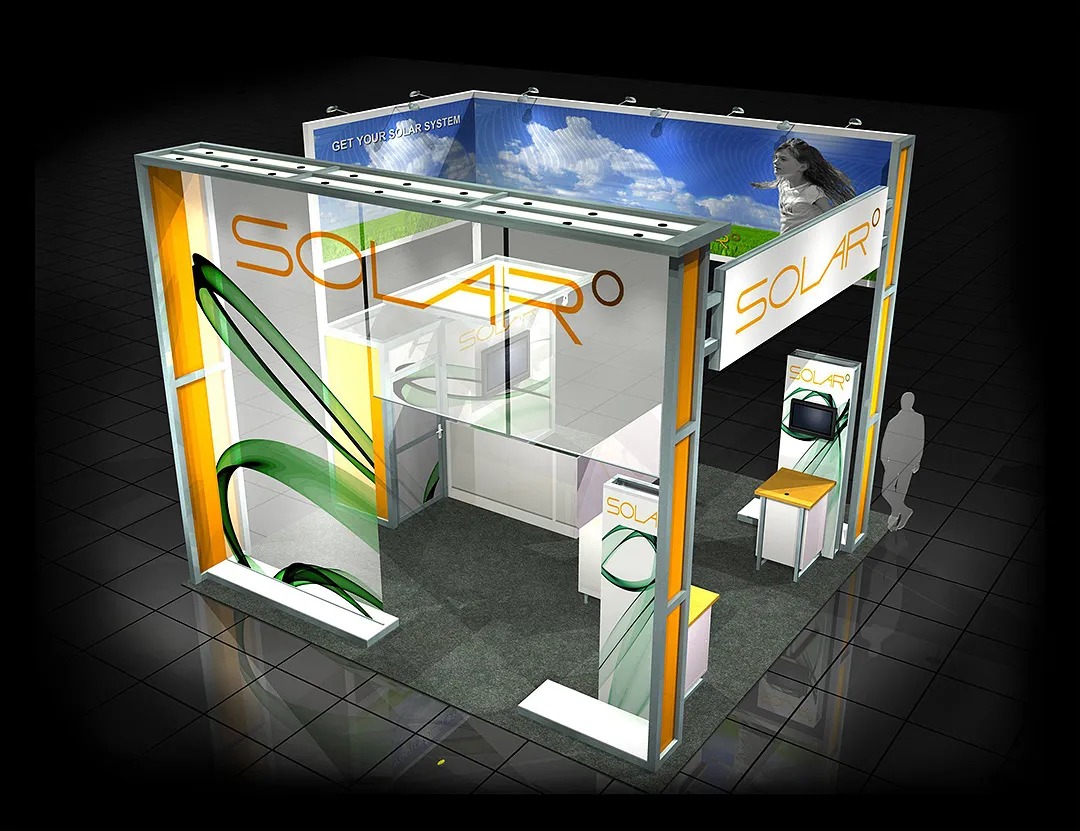
Buildouts for sponsor activations at Dallas venues employ aluminum extrusion systems and tension fabrics for lightweight yet robust frameworks that support hanging banners, product shelving, and immersive pods. At the Kay Bailey Hutchison Convention Center Dallas, these structures anchor to venue flooring or trusses per engineering specs, with assembly sequences starting from base plates to vertical risers before cladding installation.

Dallas Market Hall's open hall design suits expansive activations with modular truss grids that allow reconfiguration mid-event if sponsor needs evolve, coordinated through pre-approved alteration requests. Planners select fabrics and finishes that withstand high-touch environments, incorporating antimicrobial treatments for prolonged events.

For hotel venues like Omni Dallas Hotel, compact assembly techniques using tool-less connectors speed setup in carpeted ballrooms, where load distribution prevents floor damage. This methodical build-up layers experiential elements, from skeletal frames to final digital overlays, optimizing labor efficiency within standard move-in windows.

Experiential Design and Attendee Flow Optimization

The buildouts prioritize human-centered design, engineering pathways that guide attendees through sequential touchpoints like photo ops, sampling stations, and VR demos, calibrated to the traffic patterns of venues such as the Kay Bailey Hutchison Convention Center Dallas. Planners simulate flows using digital models that account for hall widths and entry/exit dynamics, positioning high-draw elements to amplify dwell time without bottlenecks.

In the Fashion Industry Gallery, activations blend runway adjacency with sponsor vignettes, using low-profile barriers and sightline-preserving graphics to integrate smoothly. Coordination ensures lighting gradients and sound zoning enhance immersion without spillover into adjacent spaces.

Hyatt Regency Dallas ballrooms benefit from activations that leverage natural light and room divisions, with buildouts featuring flexible partitions for A/B testing sponsor creatives. Post-assembly walkthroughs fine-tune signage and queuing to maximize conversion rates from passive passersby to active participants.

  • Incorporate RFID zones for trackable interactions
  • Design scalable queuing with modular rope systems
  • Embed analytics sensors in high-interaction nodes

Dismantle and Post-Event Protocols

Efficient dismantle begins with reverse sequencing at venues like Dallas Market Hall, deconstructing interactives first to expose structures for rapid breakdown, adhering to venue vacate deadlines that often fall within 24 hours post-close. Planners tag and crate components for outbound freight, coordinating dock slots to match incoming schedules of subsequent events.

The Kay Bailey Hutchison Convention Center Dallas enforces strict material removal rules, prompting buildouts designed for disassembly without adhesives or permanent fixtures, facilitating full reuse in multi-city tours. Inspection sweeps verify cleanliness and damage-free handover.

Convention hotels such as Omni Dallas Hotel require discreet out-processing to avoid guest disruption, with activations using rolling carts for component transport through service areas. Documentation of dismantle captures wear data for future refinements, closing the activation lifecycle effectively.

Budget and ROI Alignment in Buildouts

The buildouts balance creative ambition with fiscal discipline by tiering options from basic pop-ups to full immersives, benchmarked against Dallas venue costs for utilities and labor coordination. Planners forecast expenses through line-item breakdowns that include fabrication, shipping, and contingency buffers for venue-mandated changes.

At the Fashion Industry Gallery, ROI emphasizes visual capture metrics, with buildouts optimized for shareable moments that extend sponsor reach digitally. Integration of cost-tracking software monitors variances in real-time, enabling mid-build adjustments.

Kay Bailey Hutchison Convention Center Dallas activations leverage shared venue resources to compress overheads, focusing spend on proprietary elements like custom AR experiences. Post-event audits quantify uplift in leads and impressions, informing scaled investments for recurring sponsorships.

  • Prioritize reusable assets across event series
  • Benchmark against historical activation KPIs
  • Allocate 15% contingency for utility surcharges

Buyer questions

Sponsor Activation Buildouts for Dallas Trade Shows

What distinguishes sponsor activation buildouts from standard trade show booths?

The buildouts emphasize experiential, multi-sensory environments beyond display-only booths, incorporating interactive tech, structured pathways, and engagement metrics tailored to sponsor objectives, all coordinated to Dallas venue specs like those at the Kay Bailey Hutchison Convention Center Dallas.

How do venue rules impact activation timelines in Dallas?

Venues such as Dallas Market Hall and Omni Dallas Hotel impose move-in windows, dock bookings, and utility tie-ins that compress buildout schedules, requiring pre-approved plans and sequenced assembly to fit within 12-48 hour setups.

What utilities are critical for modern sponsor activations?

Power for LEDs and interactives, data lines for apps, and rigging for overheads top the list, mapped per exhibitor guidelines at facilities like the Kay Bailey Hutchison Convention Center Dallas to avoid surcharges or shutdowns.

Can activations be made reusable across multiple events?

Yes, modular frameworks and crate-friendly components enable 70-80% reuse rates, with dismantle protocols at Dallas venues supporting outbound logistics for rotation to Irving Convention Center or Gaylord Texan.

How is safety ensured in sponsor activation structures?

Engineering stamps, fire-retardant materials, and load-tested anchors comply with venue marshal reviews, particularly for elevated elements in high-traffic halls like Fashion Industry Gallery.

What metrics gauge activation success?

Dwell time, interaction rates, lead scans, and social shares provide ROI insights, captured via embedded tech during buildouts at Hyatt Regency Dallas or similar spaces.

Project intake

Trade Show Display Rental of Dallas

Dallas trade show display rental planning shaped around venue rules, freight timing, and brand discipline.

Start Planning