
How do venue utility orders impact AV planning?
Venues like the Kay Bailey Hutchison Convention Center Dallas require advance orders for power, directly determining AV equipment capacities and preventing shortages during setup.
Services / Trade Show AV Production
Coordinating comprehensive AV production transforms trade show booths into dynamic environments where messaging resonates clearly amid busy convention floors at venues like the Kay Bailey Hutchison Convention Center Dallas.
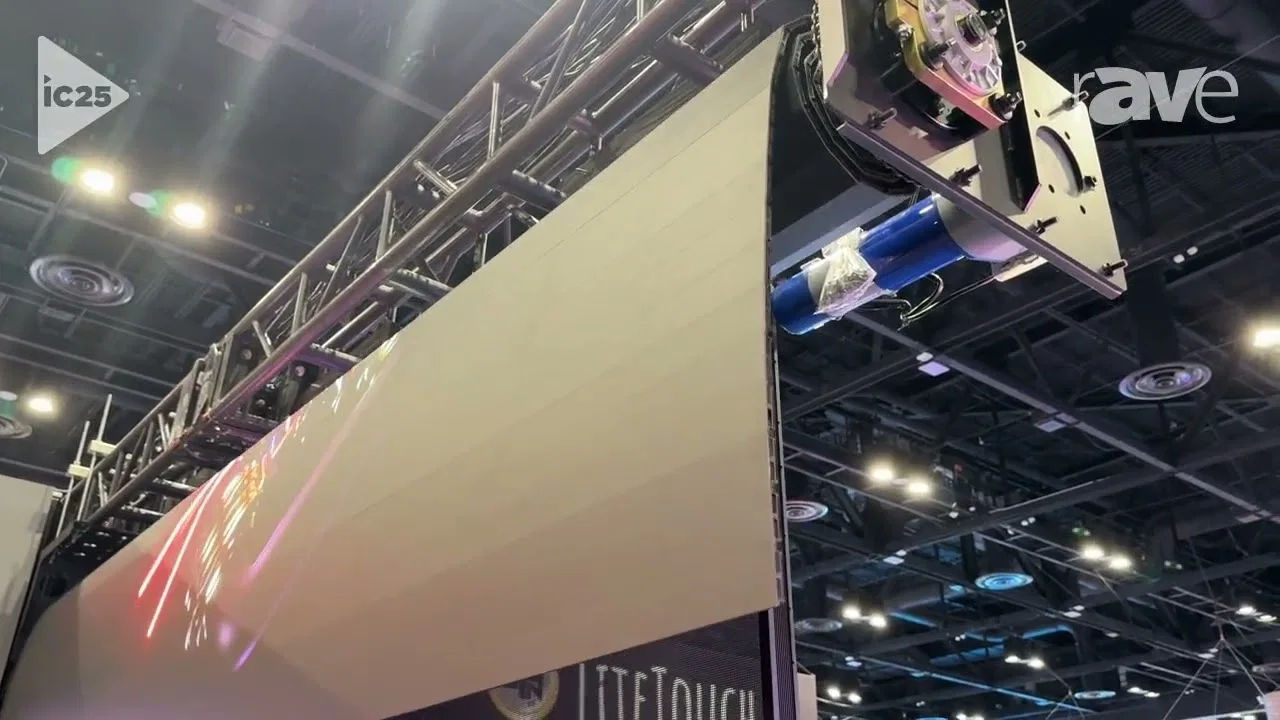
Developing an AV strategy begins with a thorough review of your exhibit's narrative and the physical parameters of the chosen Dallas venue. For example, at the Kay Bailey Hutchison Convention Center Dallas, booth spaces vary significantly in size and location, influencing choices like directional speakers versus omnidirectional arrays to avoid sound bleed into neighboring areas. Planners evaluate traffic flow projections based on historical event data from similar shows, ensuring video content displays at optimal heights and angles for passerby capture without obstructing sightlines.
Venue-specific rules further shape this alignment; the center mandates that all electrical services, critical for powering AV rigs, be ordered through official channels weeks in advance, specifying amperage and location to prevent on-site shortages. This process extends to coordinating delivery through dedicated docks, where AV equipment joins other freight in a sequenced arrival that matches installation windows. Such foresight allows for custom video walls that wrap around interactive demo stations, enhancing dwell time without violating load-bearing or fire safety limits.
Integration with overall exhibit flow considers multi-zone activations, like product reveal stages lit by programmable LEDs synced to audio cues, all calibrated to the hall's ambient noise levels typically ranging from conversational hum to peak crowd volumes during keynotes.
Audio engineering in trade show settings prioritizes intelligibility and coverage uniformity across booth perimeters, especially in reverberant spaces like the expansive halls of the Kay Bailey Hutchison Convention Center Dallas. Systems incorporate line arrays for even dispersion, wireless microphones for presenter mobility, and DSP processing to filter out HVAC rumble and foot traffic echoes, ensuring every demo script lands crisply.
At venues such as Dallas Market Hall, where events often feature concurrent programming, audio mixes balance foreground announcements with subtle branding loops, routed through distributed speakers that maintain 85-90 dB peaks without overpowering adjacent exhibits. Planners specify cabling runs that comply with Dock to Booth freight paths, incorporating redundant power feeds ordered per venue utility guidelines to sustain long-hour operations.
Advanced features like audience response integration via handheld mics feed real-time feedback into central mixers, with monitoring apps allowing remote adjustments during peak traffic, all while adhering to the structured move-in protocols that govern equipment positioning.
Video technologies form the visual backbone of trade show AV, with selections driven by resolution needs and environmental lighting at Dallas venues. Curved LED tiles at the Fashion Industry Gallery create panoramic product animations that draw crowds, while laser projectors in dimmer hotel ballrooms like the Omni Dallas Hotel deliver 4K imagery without lamp degradation over multi-day runs.
Content mapping software synchronizes multiple screens for smooth looping, accounting for booth geometries and viewer distances informed by venue floorplans. Deliveries coordinate with dock schedules at the Kay Bailey Hutchison Convention Center Dallas, where heavy displays require advance freight notifications to align with I&D labor availability.
Interactive touch overlays on video walls enable lead-gen touchpoints, with backend CMS for real-time content swaps, ensuring adaptability to show-day variables like unexpected hall reconfigurations.
Lighting design elevates static displays into focal points, using layered approaches that combine architectural washes, accent spots, and effects programming tailored to venue power allocations. At the Hyatt Regency Dallas, convention-level ballrooms benefit from truss-hung movers that parse dynamic sequences, synced to audio triggers for reveal moments without exceeding ordered circuit capacities.
RGBW fixtures provide color temperature matching to brand palettes, with DMX control networks daisy-chained for efficient cabling that navigates booth framing and venue carpet protections. Early utility orders at centers like Kay Bailey Hutchison ensure dimming capabilities support subtle uplighting for pedestals alongside high-output floods for overhead banners.
Gobo projections personalize messaging on floors or walls, calibrated during load-in at designated docks to preview interactions with ambient venue illumination, fostering an atmosphere that guides foot traffic intuitively.
Power management underpins all AV operations, requiring precise calculations tied to venue utility forms submitted well before move-in. The Kay Bailey Hutchison Convention Center Dallas structures orders by booth number, specifying 208V circuits for high-draw video processors alongside 120V feeds for audio racks, preventing overloads during synchronized peaks.
UPS backups and distribution panels safeguard against fluctuations common in large halls, with cabling sleeved for Dock to Booth hauls that respect freight sequencing. Integration testing verifies phase balancing across AV clusters, ensuring stable playback for looped content loops spanning show durations.
Monitoring dashboards track consumption in real-time, alerting to anomalies and facilitating adjustments that comply with venue marshal walkthroughs, maintaining uninterrupted performance.
Setup phases align AV deployment with venue timelines, starting from dock check-in where manifests detail equipment weights and dimensions for efficient unloading. At Dallas Market Hall, this sequences into booth framing completion before AV rigging, allowing cable pulls under protective mats to avoid trip hazards.
Rehearsal blocks cue full-system run-throughs, timing cues to presenter scripts and verifying sight/sound syncs under actual hall acoustics. Compliance checks cross-reference against service partner lists, ensuring all components meet fire-rated and rigging standards without on-site deviations.
Teardown mirrors this precision, powering down in reverse order per dock-out slots, capturing session footage for post-event analysis while clearing spaces promptly for next rotations.
Post-event evaluation quantifies AV contributions via metrics like engagement duration captured by integrated cameras at venues such as the Omni Dallas Hotel. Heatmapping software analyzes viewer dwell zones around video hotspots, correlating peaks to content triggers for refinement in future deployments.
Lead attribution ties interactive AV touchpoints to CRM uploads, with audio recordings transcribed for sentiment analysis on booth interactions. Venue debriefs review utility actuals against orders, optimizing future power bids at facilities like the Kay Bailey Hutchison Convention Center Dallas.
Iterative planning incorporates these insights, adjusting display scales or audio mixes for subsequent events at clustered sites like Irving Convention Center, enhancing overall exhibit efficacy.
Buyer questions
Venues like the Kay Bailey Hutchison Convention Center Dallas require advance orders for power, directly determining AV equipment capacities and preventing shortages during setup.
Hall acoustics demand DSP-equipped line arrays for uniform coverage, filtering ambient noise while maintaining clarity for demos amid crowds.
Yes, modular LED tiles scale to booth footprints, mapped for content distortion-free viewing across varied sightlines at sites like Dallas Market Hall.
DMX protocols and timecode syncing align lights to audio/video cues, creating cohesive experiences compliant with venue power specs.
Freight manifests and sequenced scheduling match dock availability, coordinating with I&D for protected cable runs into booth spaces.
Touch-enabled displays and QR-triggered audio responses feed data directly to apps, streamlining follow-ups from show interactions.
Related topics
Service
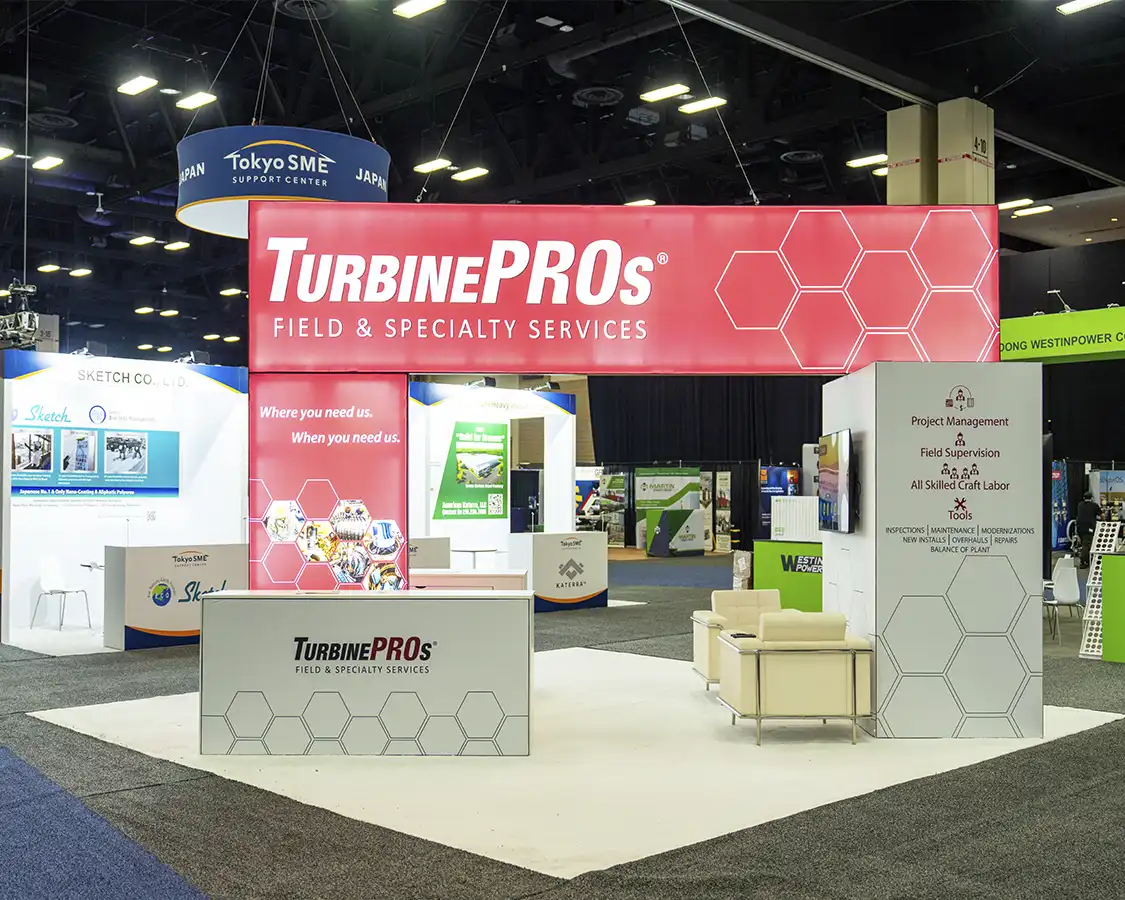
Streamline your Dallas trade show presence with comprehensive turnkey solutions that handle every phase from initial concept to post-event wrap-up, tailored to the operational demands of major venues like the Kay Bailey Hutchison Convention Center Dallas.
View details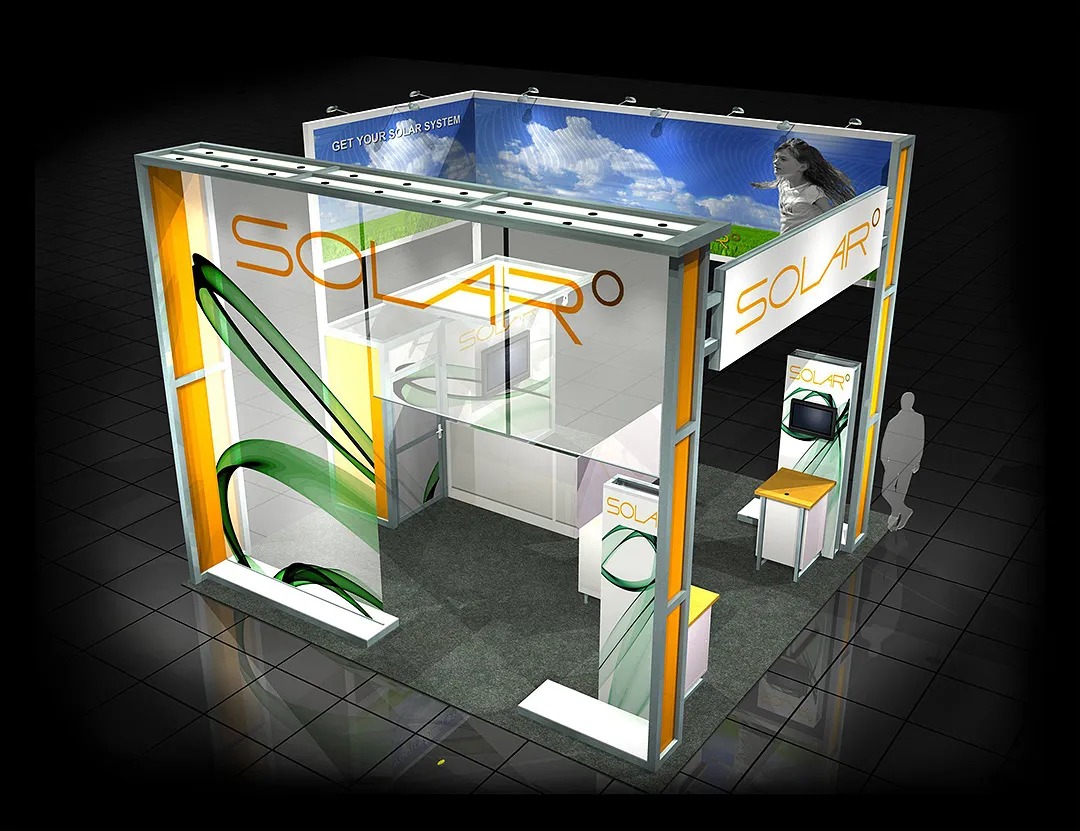
Service
Crafting standout trade show booths requires precise alignment with the unique layouts and operational demands of major Dallas-Fort Worth venues like the Kay Bailey Hutchison Convention Center Dallas, Dallas Market Hall, and Fashion Industry Gallery, ensuring your exhibit maximizes visibility and functionality within established exhibitor guidelines.
View details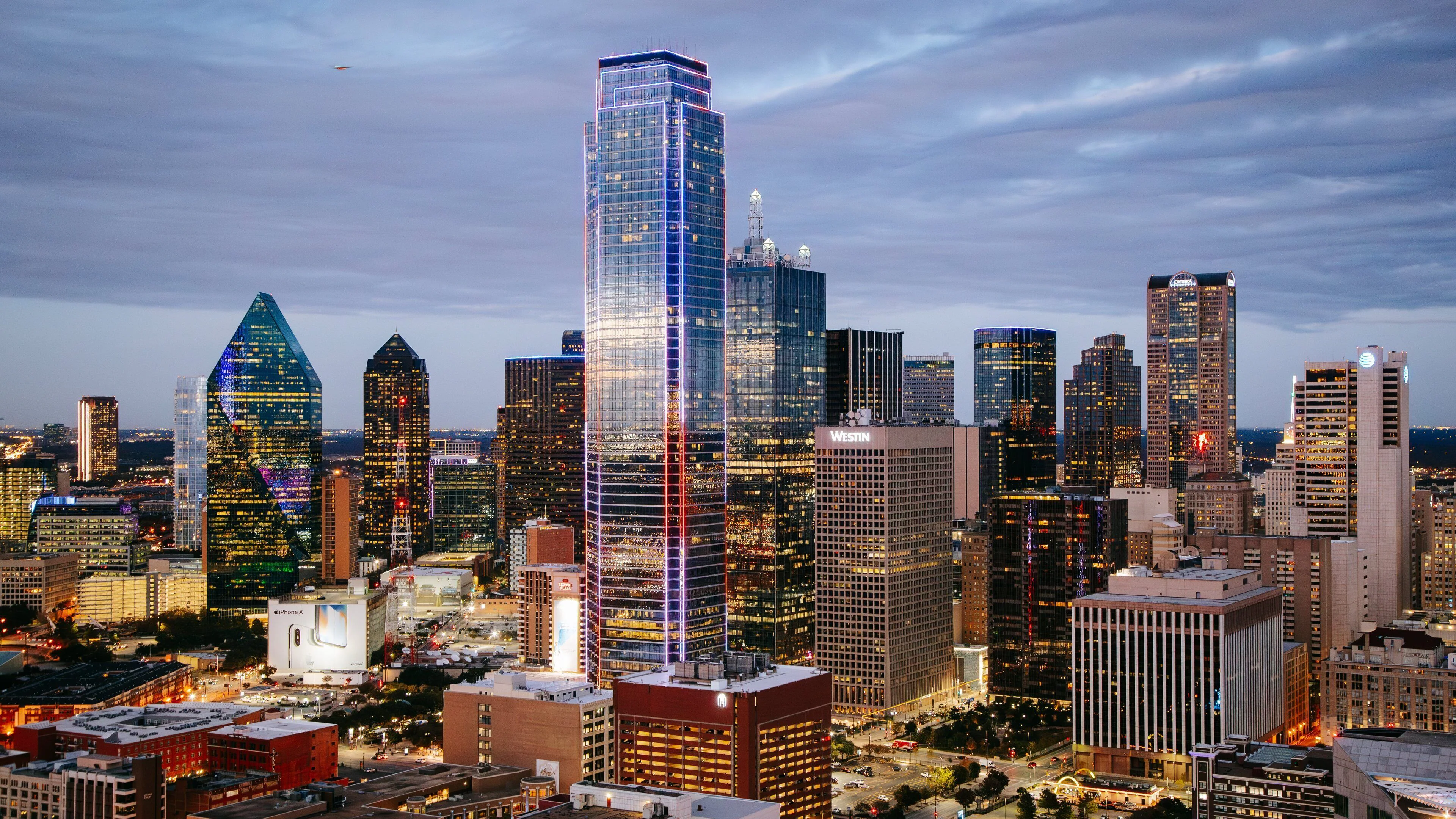
Location
Practical coordination guidance for display rentals aligned with the distinct operational requirements of Dallas convention, market, and hospitality venues.
View details
Venue
Practical coordination guidance for utilities, technology, AV, rigging, food service, and dock operations at one of downtown Dallas's primary convention facilities.
View detailsContact
Send the event date, venue, display size, and service priorities so labor, freight, venue approvals, and show-site supervision can be framed around the actual rental-display path.
View detailsProject intake
Dallas trade show display rental planning shaped around venue rules, freight timing, and brand discipline.