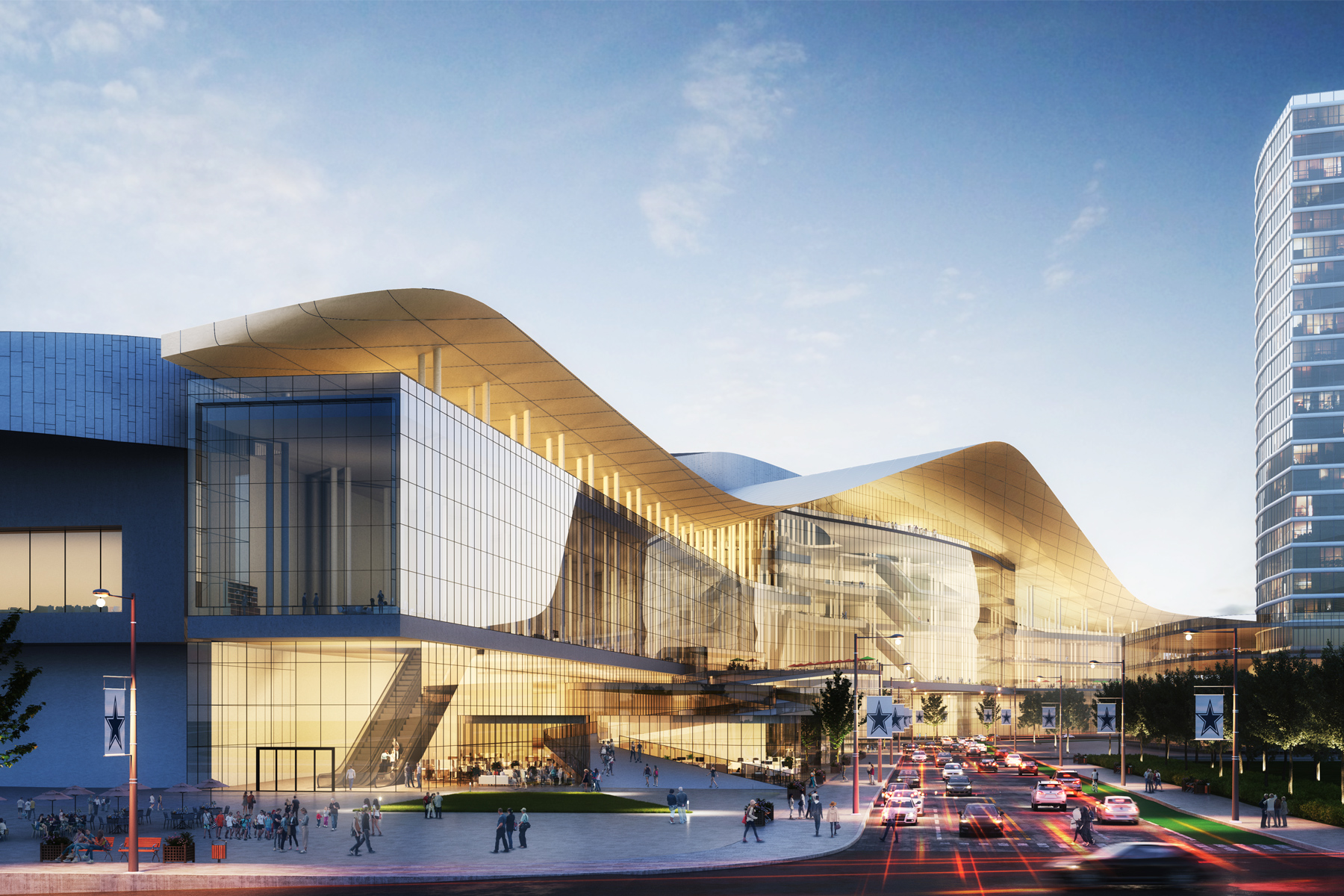
Selecting the right venue forms the foundation of trade show services in Dallas, where options like the Kay Bailey Hutchison Convention Center Dallas accommodate massive layouts with multiple halls connected for fluid attendee flow, while Dallas Market Hall specializes in apparel and giftware expos requiring rapid turnover between shows. Planners evaluate load-bearing capacities, ceiling heights, and column spacing early, cross-referencing with exhibitor guidelines to confirm booth footprints fit without impeding emergency egress paths. For instance, the Fashion Industry Gallery's flexible partitioning supports intimate trade gatherings, allowing coordinators to propose configurations that enhance buyer-seller proximity without overcommitting space.
Compatibility extends to logistical infrastructure, as seen at the Kay Bailey Hutchison Convention Center Dallas with its array of loading docks requiring pre-scheduled appointments through designated service partners. This step prevents common pitfalls like overlapping move-ins at venues such as the Omni Dallas Hotel, where ballroom exhibits demand elevator weight limits be factored into crate sizing. Detailed site visits or virtual tours reveal nuances like power outlet densities, crucial for booths relying on high-draw displays, ensuring trade show services proceed without electrical overload disruptions.
Beyond physical attributes, planners assess attendee demographics against venue clusters, positioning trade shows at the Hyatt Regency Dallas for corporate tech events or Dallas Market Hall for wholesale markets. This targeted matching optimizes foot traffic patterns and minimizes travel friction within the Dallas-Fort Worth corridor, setting the stage for elevated engagement metrics.
Documenting these assessments in a master planning matrix allows iterative refinements, incorporating feedback from past events at similar spaces to refine future trade show services deployments.